
17 Expert-Approved Coffee Table Styling Tips for a Curated Home
The coffee table is often the unsung hero of the living room. It sits centrally, acting as the anchor for your seating area, yet it is frequently prone to one of two extremes: becoming a magnet for clutter or remaining starkly empty. Styling this surface is not just about making it look pretty; it is about creating a sense of balance and intentionality that sets the tone for the entire room. Whether you are working with a rustic wooden table, a sleek glass surface, or a round ottoman, the principles of design remain the same. Below are 17 styling concepts arranged by relevance to help you transform your coffee table from a catch-all surface into a sophisticated design statement.
LIVING ROOM
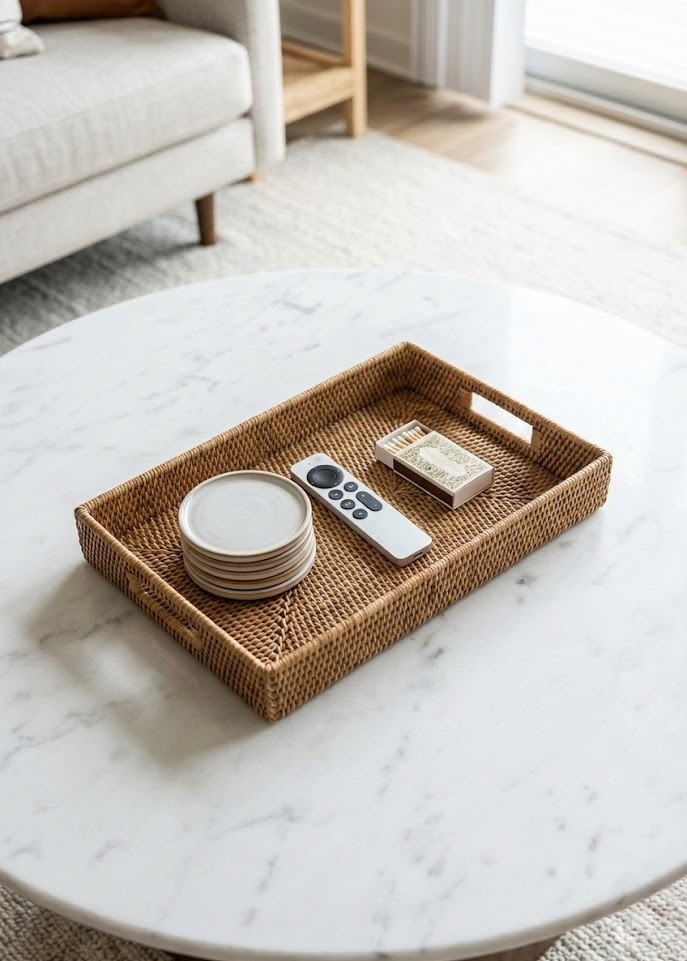
1. Ground the Look with a Decorative Tray
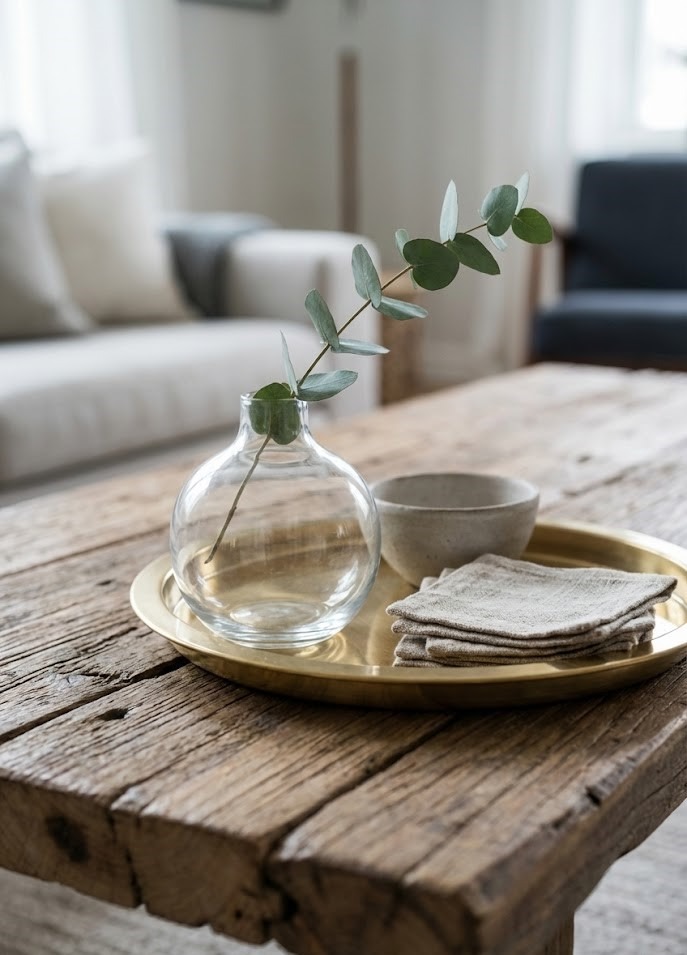
The most effective way to tame clutter and create a cohesive look is to use a tray. A tray provides a physical boundary, tricking the eye into seeing multiple small items as one large, organized unit. It is perfect for corralling remote controls, coasters, and matches. Contrast the shape of your table; if you have a round table, try a rectangular tray, and vice versa.
Categories
2. Master the Art of Stacking Books
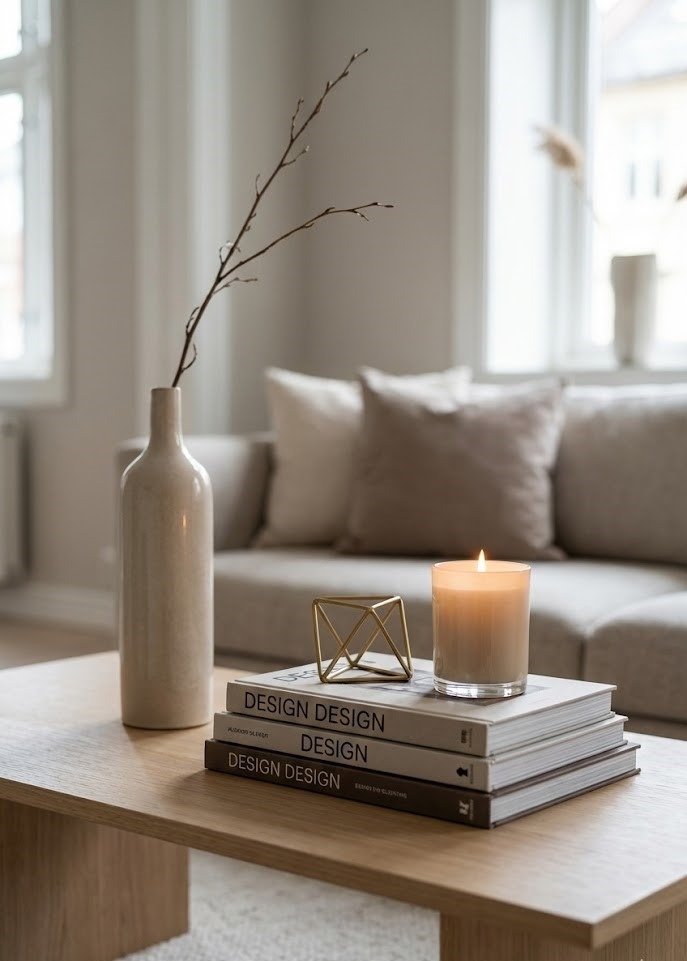
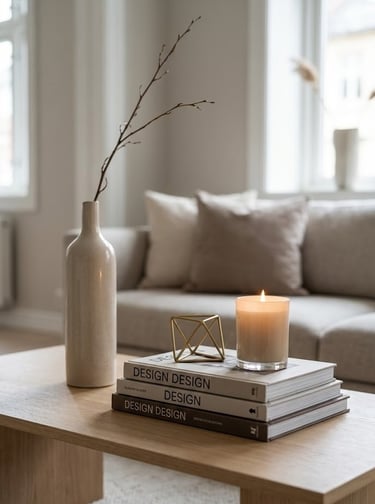
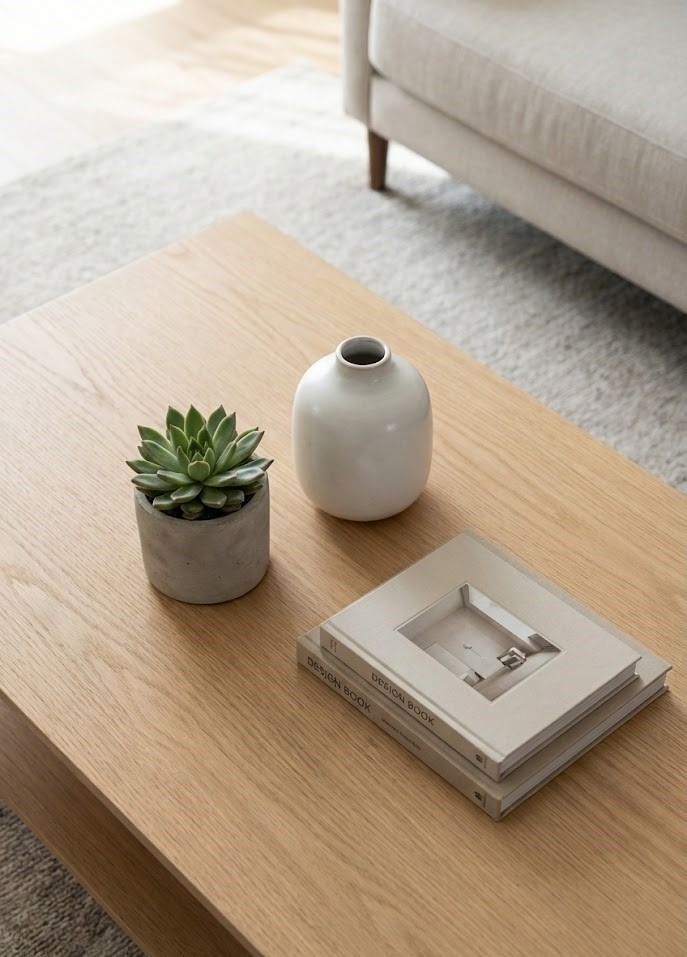
Coffee table books are a staple for a reason. They provide essential height and serve as a platform for smaller objects. Choose large hardcovers with spines that complement your room’s color palette. Stack two or three books to create a vertical lift, and top them with a small decorative object to break up the flat lines.


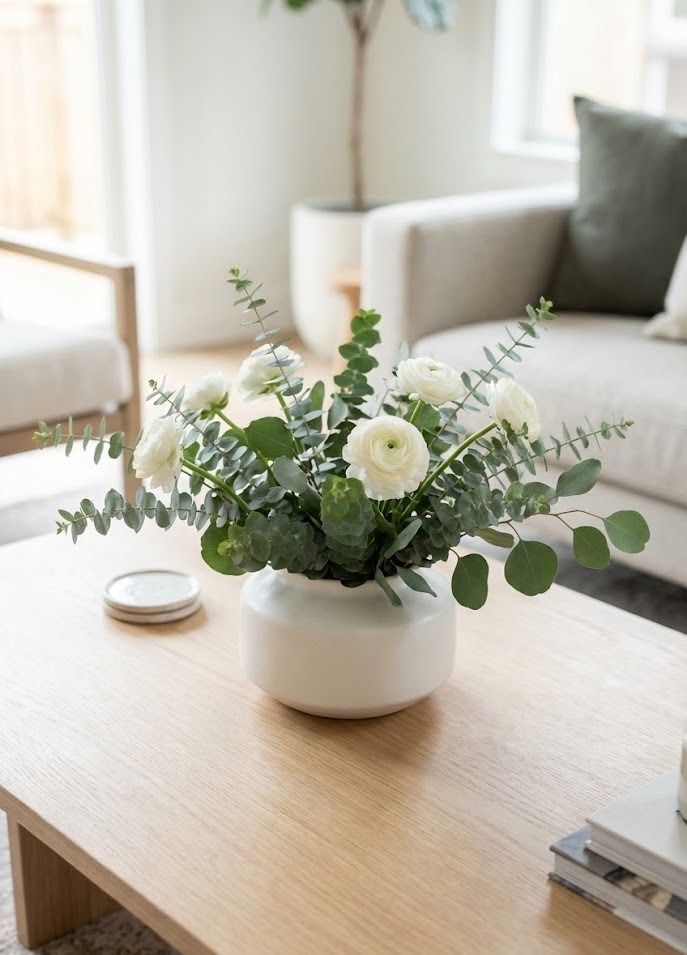
3. Incorporate Organic Greenery
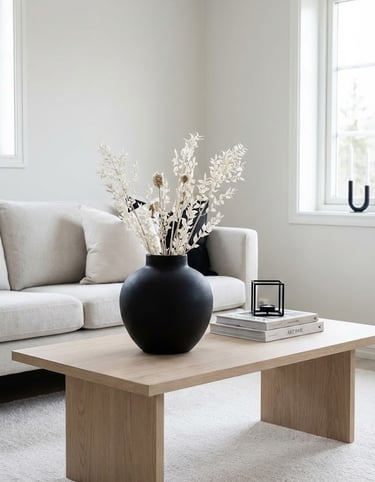
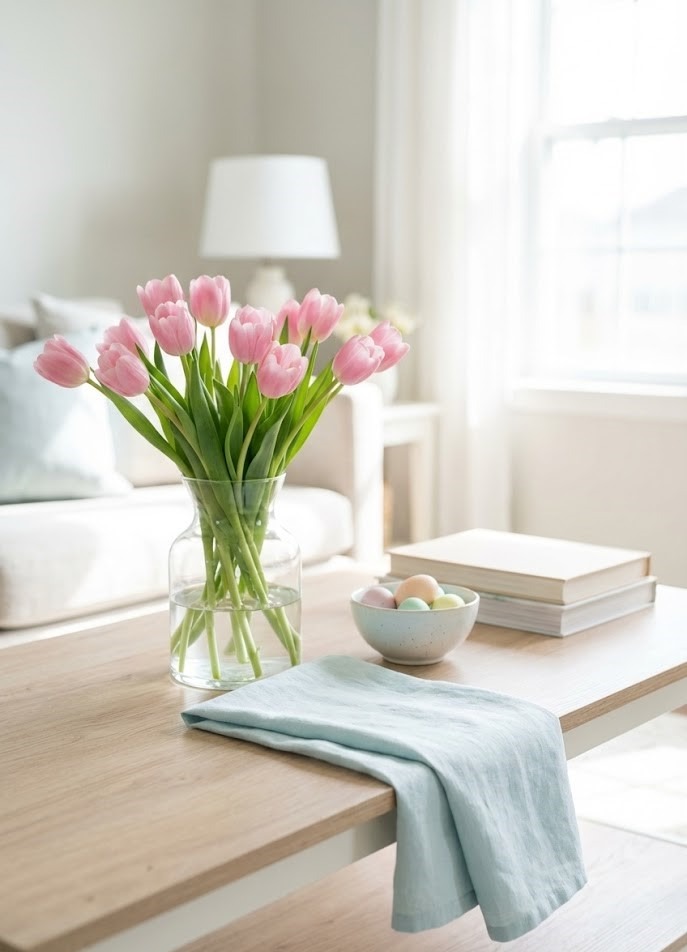
Every room needs a living element to feel fresh and inviting. A vase of fresh flowers, a potted succulent, or a bundle of dried eucalyptus adds softness to the hard edges of furniture. For coffee tables, opt for one statement arrangement rather than a forest of small pots. Ensure the height doesn't block the view across the room or the TV.
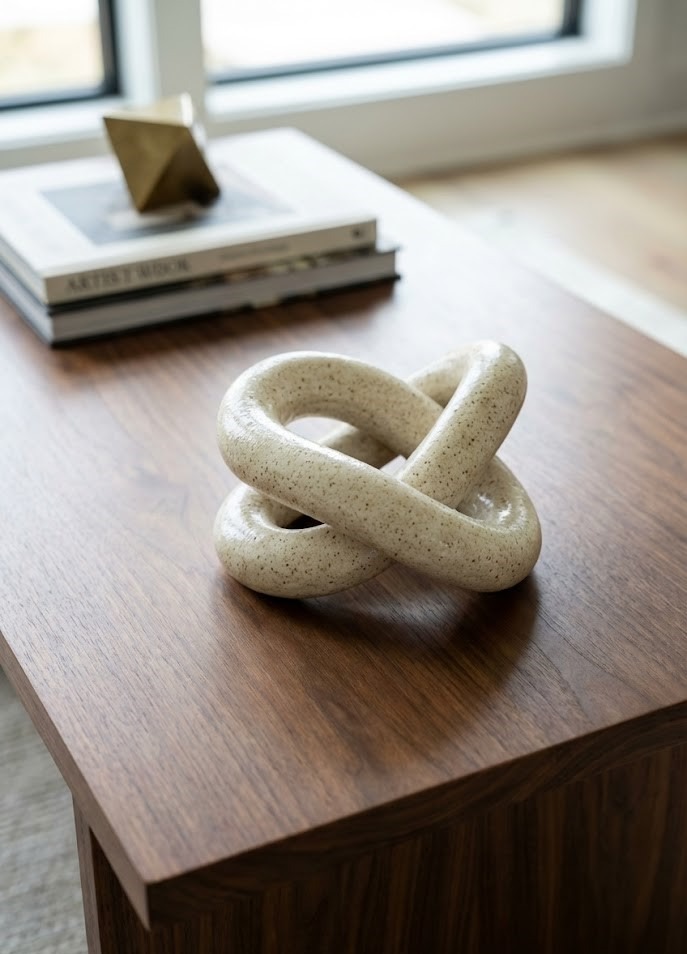
4. Introduce Sculptural Elements
Move beyond standard decor and choose objects with interesting shapes. A knot sculpture, a geometric paperweight, or a ceramic abstract piece adds personality and artistic flair. Look for materials that contrast with your table—such as placing a rough stone object on a smooth glass table—to add tactile interest.

9. Layer Contrasting Textures
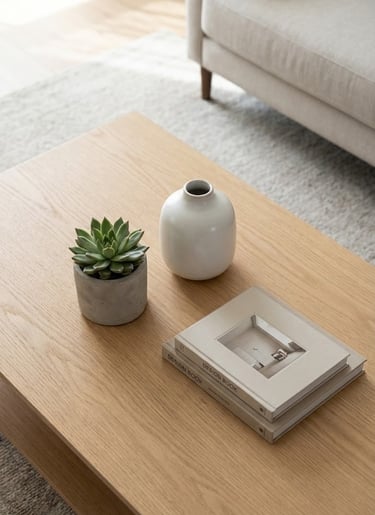
If your color palette is neutral, texture is your best friend. Mix materials to create depth. If your table is wood, add metal or glass objects. If your table is marble, introduce warm wood or woven elements. The interplay of smooth, rough, shiny, and matte surfaces prevents the decor from looking flat.


10. Stick to a Monochrome Palette
For a serene, minimalist aesthetic, choose decor items in the same color family as the room. Vary the shades—for example, mixing cream, beige, and taupe objects. This monochrome approach looks high-end and uncluttered, perfect for modern interiors.
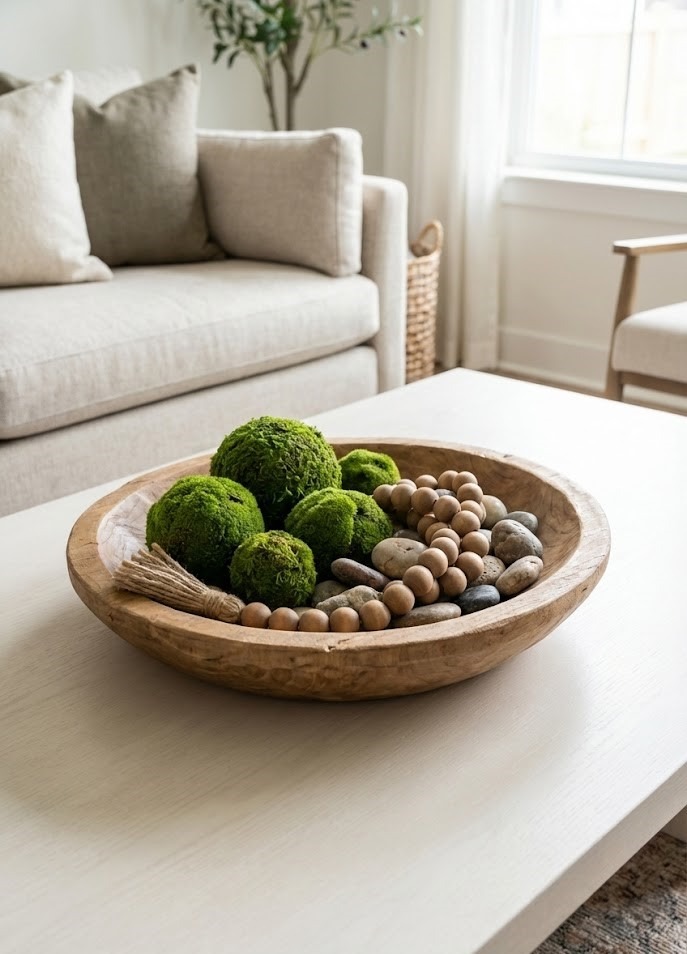
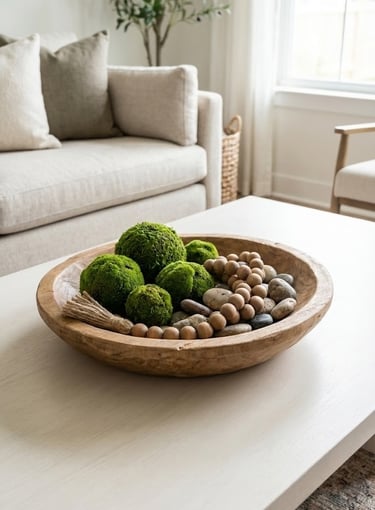
6. Utilize Decorative Bowls
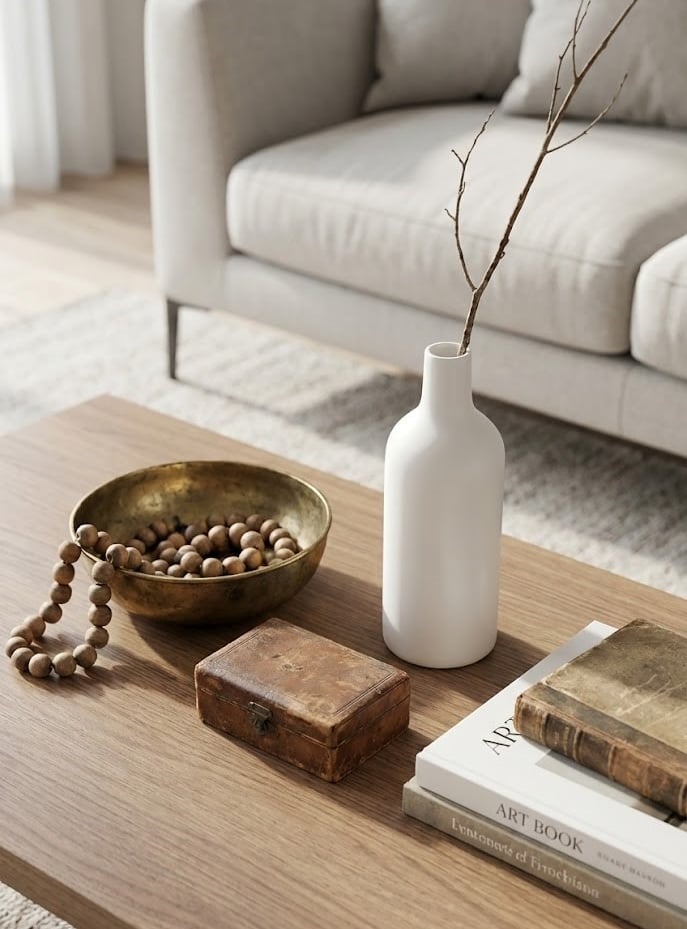
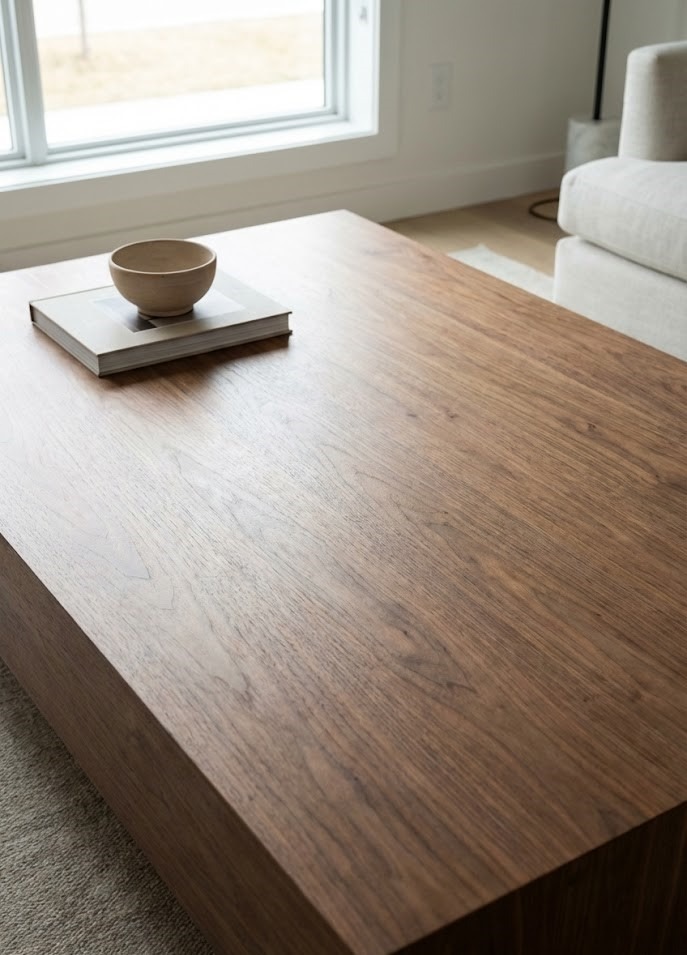
A low, wide bowl is an excellent tool for grounding a table. It can stand alone as a piece of art or hold a collection of natural elements like wooden beads, moss balls, or polished stones. This adds a layer of "contained chaos" that feels organic yet tidy.
7. Play with Height and Scale
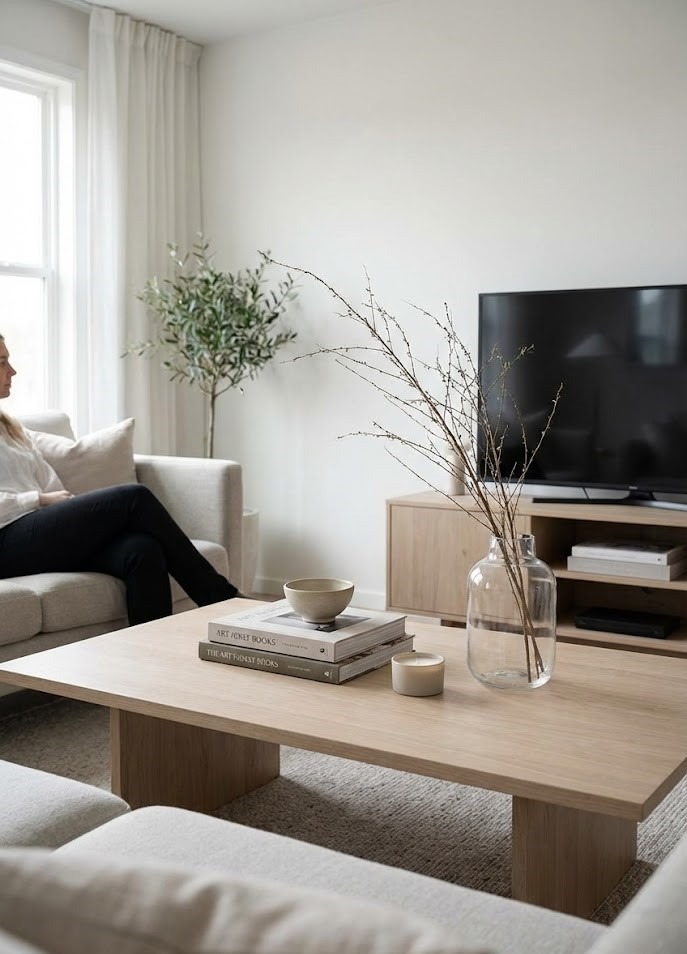
A flat coffee table design looks two-dimensional and boring. To create visual movement, ensure you have objects of varying heights. Pair a tall vase with a low stack of books and a medium-sized candle. This guides the eye up and down, making the arrangement dynamic.
8. The Rule of Three (and Asymmetry)
Symmetry can sometimes feel too formal or stiff for a relaxing living room. Instead, embrace asymmetry using the rule of three. Group items in a triangle formation on the table. This arrangement feels balanced to the human eye without being rigid.
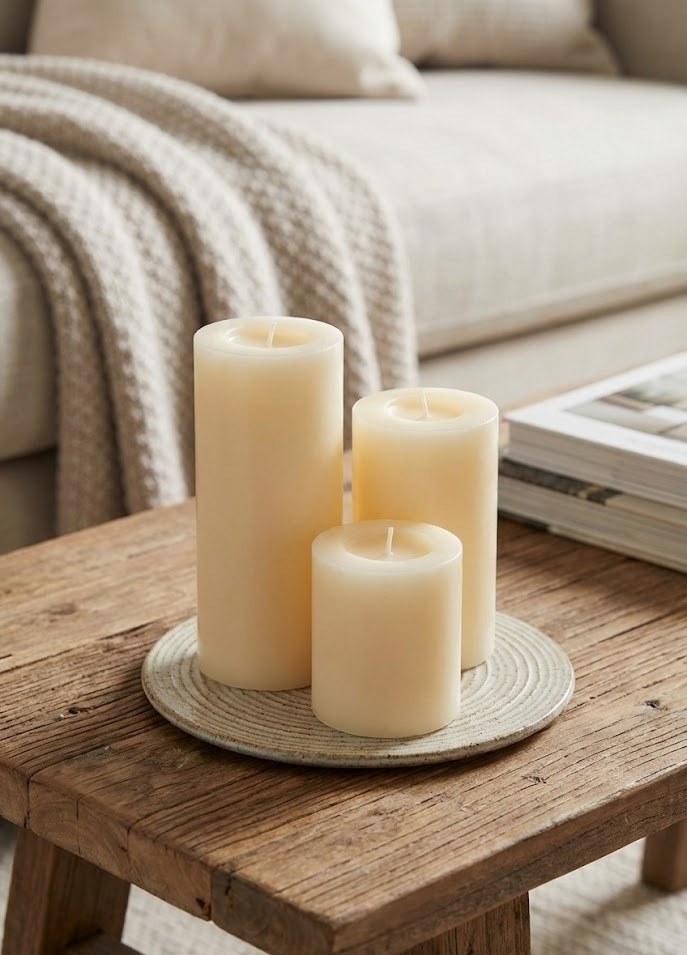
5. Create Ambiance with Candles
Candles offer both visual warmth and a pleasant scent. To make them look styled rather than accidental, group them in odd numbers. A trio of pillar candles in varying heights creates a pleasing vertical rhythm. Stick to a scent profile that isn't overpowering, as the coffee table is often close to where guests sit.

15. Prioritize Functionality
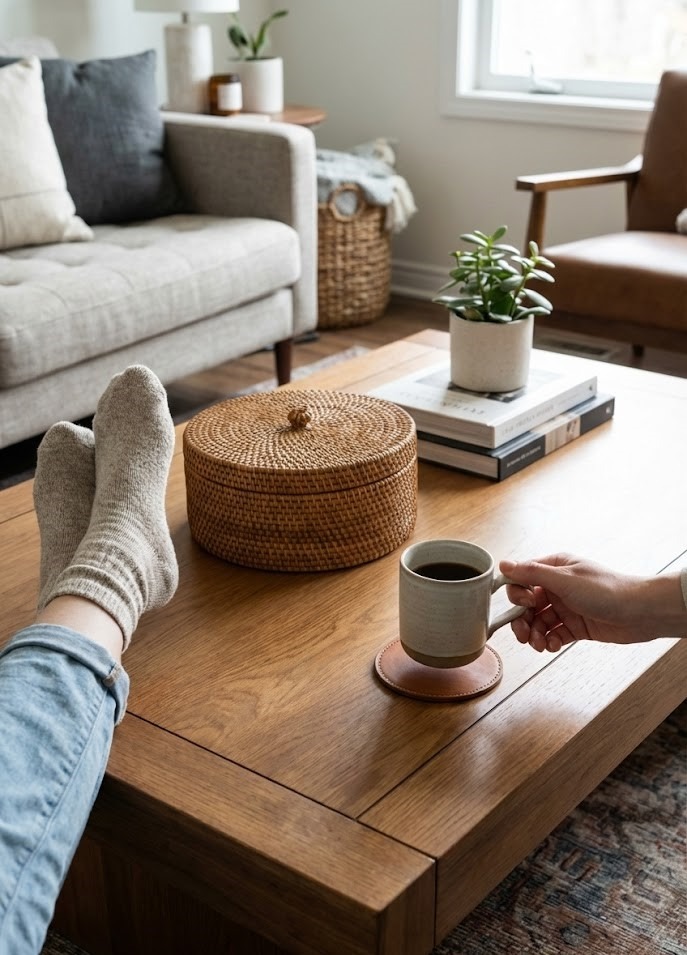
Never sacrifice function for form. Ensure there is still space to set down a drink or put up your feet. Incorporate stylish coasters or a beautiful lidded box to hide unsightly essentials like remotes or charging cables. Functional decor ensures the table remains usable.
11. Anchor with Black Accents
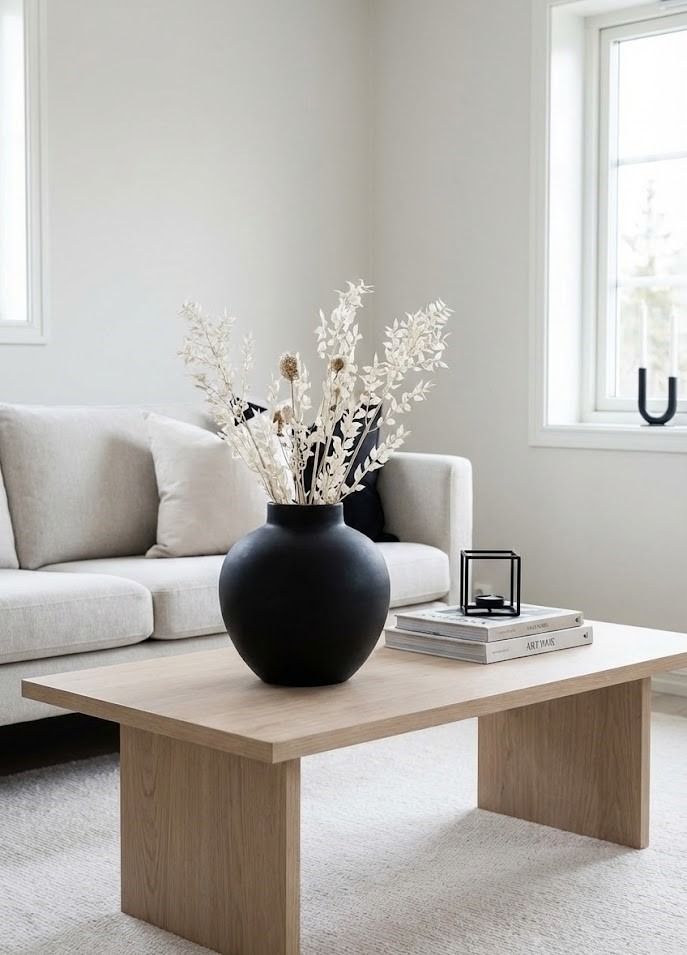
If your room feels too light or "floaty," a touch of black adds necessary weight and definition. A matte black vase, a dark tray, or a black metal candle holder acts as visual punctuation, drawing the eye in and grounding the vignette.
12. Display Personal Mementos
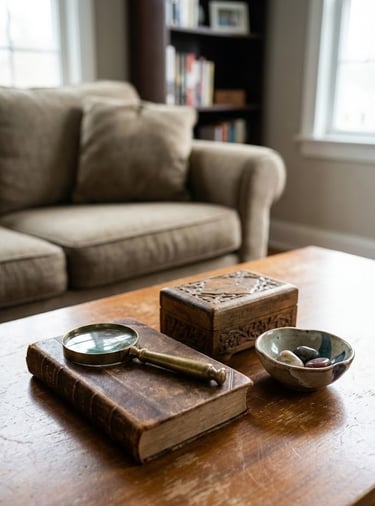
Your home should tell your story. Incorporate a conversation starter, such as a unique souvenir from a trip, a vintage magnifying glass, or an heirloom box. These items prevent the space from looking like a furniture showroom and give it a lived-in, authentic feel.
13. Mix Vintage and Modern
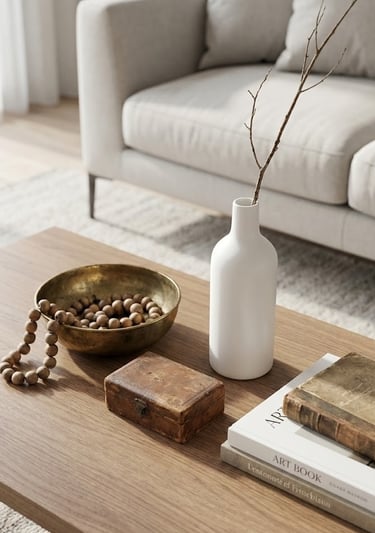
A table styled entirely with items from a big-box store can feel generic. Create character by pairing a sleek, modern vase with a weathered vintage box or an antique brass bowl. The tension between old and new adds sophistication and history to the design.
14. Keep Sightlines Clear
While height is important, practicality is paramount. Avoid massive floral arrangements or tall sculptures that obstruct conversation or the view of the television. Keep the bulk of your decor low-profile, using transparency (like glass vases) if you need height without visual weight.
16. Rotate with the Seasons
Your coffee table is the easiest place to reflect the changing seasons without a major overhaul. Swap out heavy wool textures and dark candles in winter for fresh tulips and light linen elements in spring. This keeps the room feeling current and fresh.
17. Embrace Negative Space
Finally, the most important element of styling is the space you don't fill. You do not need to cover every inch of the surface. Leaving "white space" allows the decor to breathe and highlights the beauty of the table itself.
Final Thoughts
The most successful teenage bedrooms are the ones that allow for growth. By choosing high-quality furniture and adaptable themes, you create a space that can evolve alongside them. Always involve your teen in the process—when they feel ownership over their space, they are much more likely to keep it organized and respected.