
18 Breathtaking Mexican Kitchen Ideas That Will Instantly Spice Up Your Home
The kitchen is the heart of the home, but the Mexican kitchen (la cocina) is its soul. Far removed from the sterile, all-white trends that have dominated interior design for years, Mexican style is a masterclass in warmth, hospitality, and unbridled joy. It is a design language that speaks in bold colors, tactile textures, and artisanal craftsmanship. Whether you want to overhaul your entire space or simply add a few cultural accents, embracing Mexican design means creating a space where people actually want to gather. From rustic hacienda vibes to sleek modern fusion, these 18 Mexican kitchen ideas will inspire you to turn your cooking space into a vibrant fiesta of style.
DINING & KITCHEN
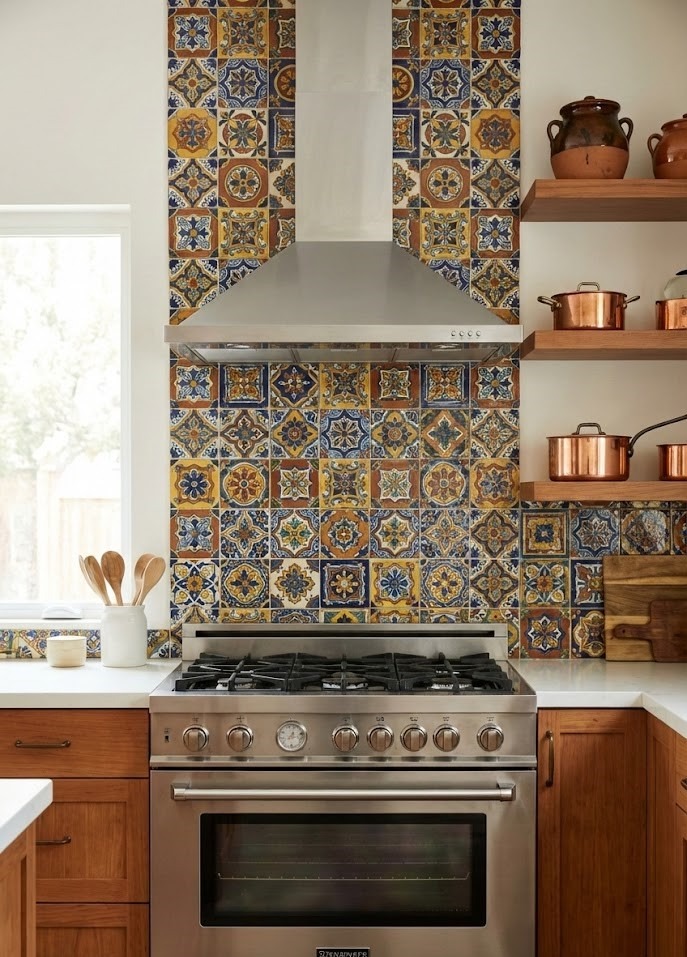
1. The Iconic Hand-Painted Talavera Tile
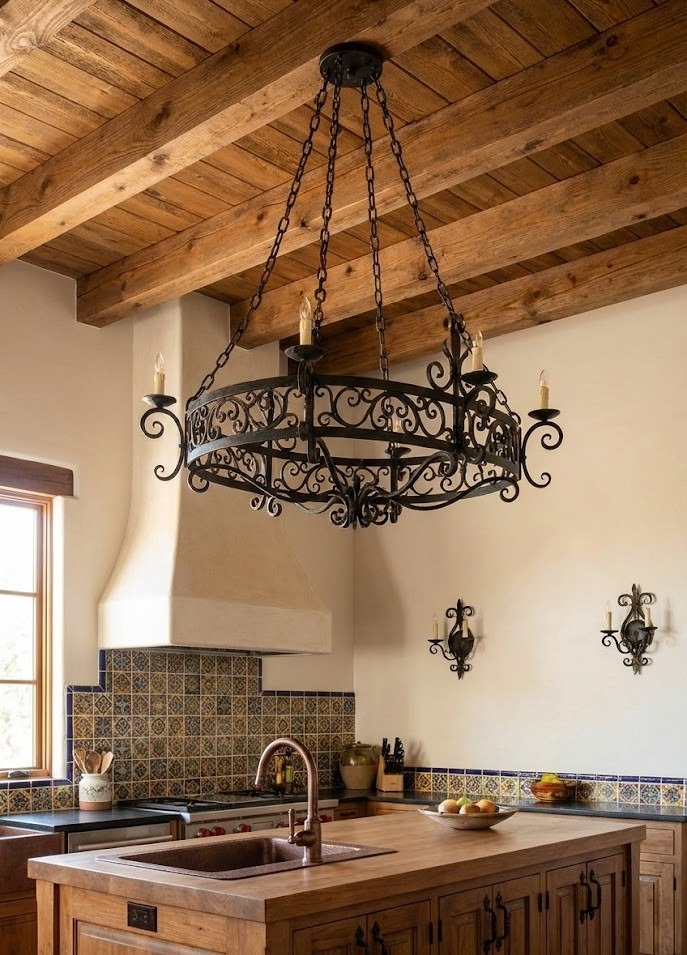
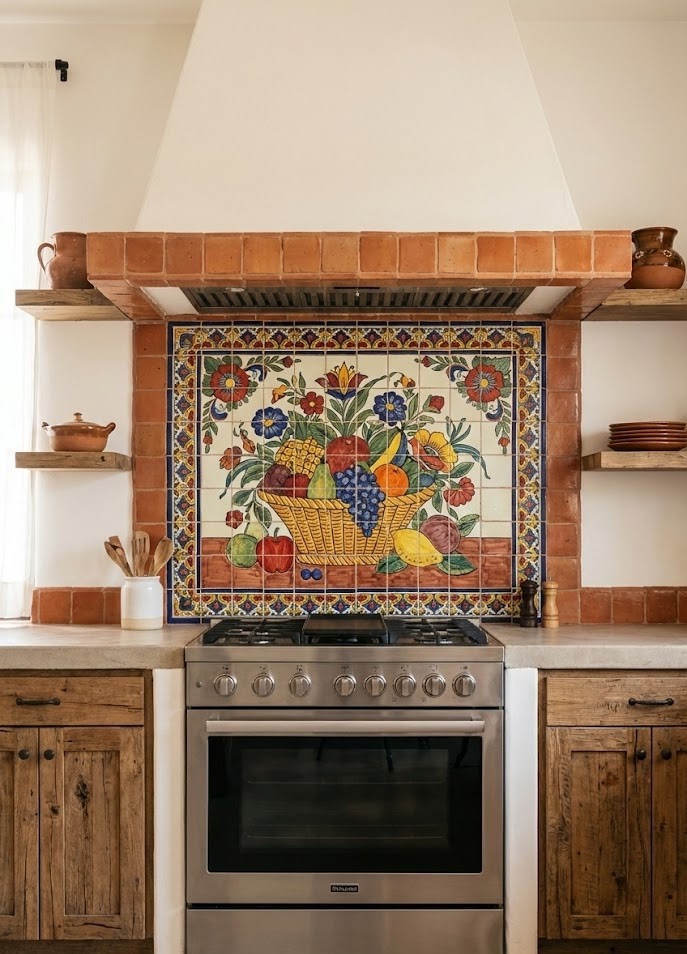
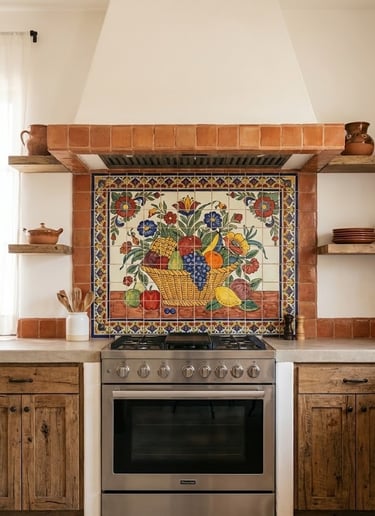
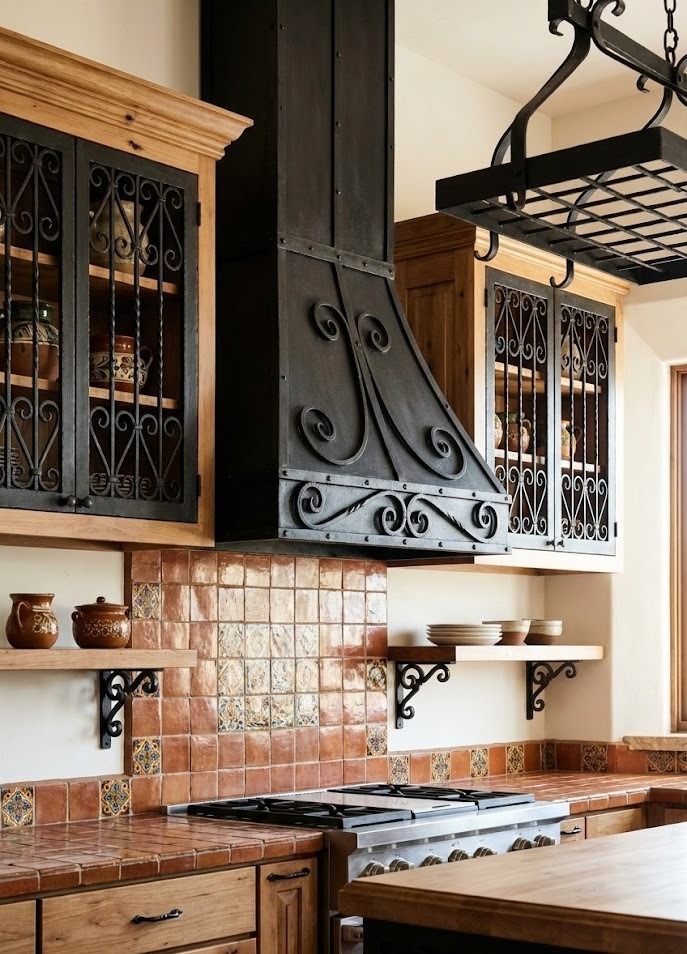
If there is one hallmark of Mexican design, it is Talavera pottery. These hand-painted ceramic tiles are renowned for their intricate patterns and vibrant colors, usually involving cobalt blues, sunny yellows, and deep ochres. Instead of a boring subway tile, use Talavera tiles to create a show-stopping backsplash, a durable countertop, or even a decorative border around a kitchen island. The beauty lies in their slight imperfections; because they are handmade, they add a layer of texture and authenticity that mass-produced tiles simply cannot match.
Categories
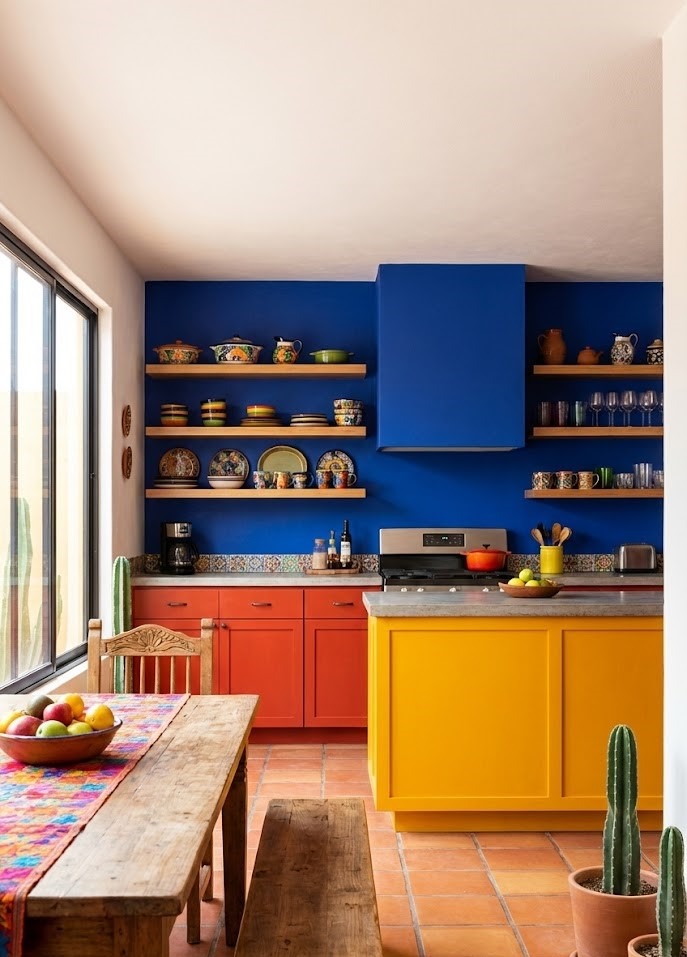
2. Fearless and Vibrant Color Palettes
Mexican kitchens are not afraid of color. To achieve this look, you must be willing to step outside the beige safety zone. Draw inspiration from the Mexican landscape and architecture: think spicy chili reds, bright marigold yellows, deep cactus greens, and vibrant Frida Kahlo blues. You can paint an accent wall, choose colorful cabinetry, or even paint the ceiling a contrasting hue. These colors invoke energy and appetite, making the kitchen a lively hub for family activity.
3. Authentic Saltillo Terracotta Flooring
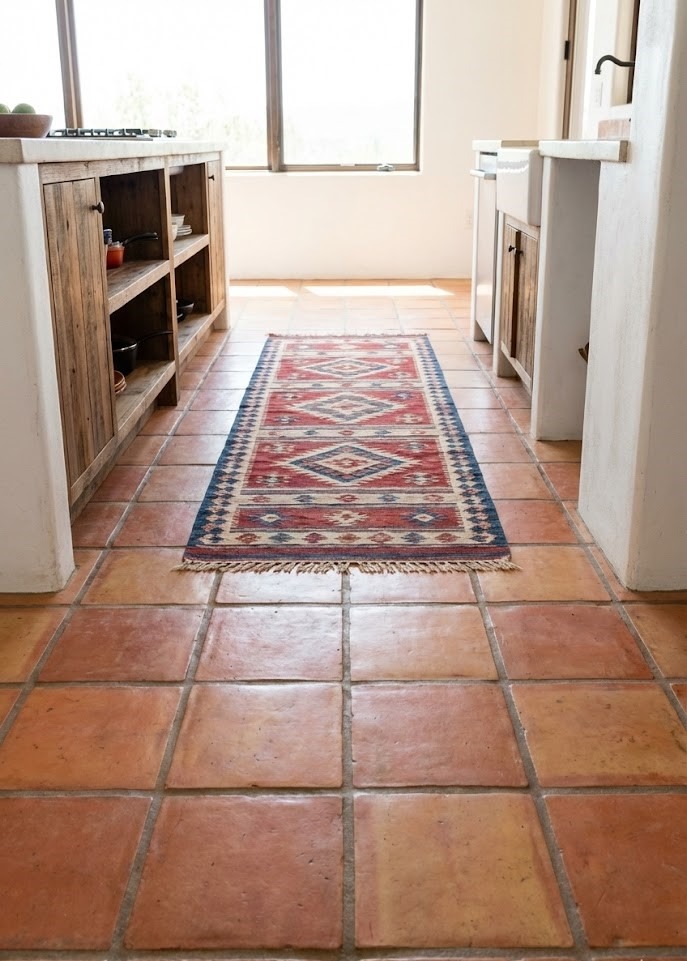
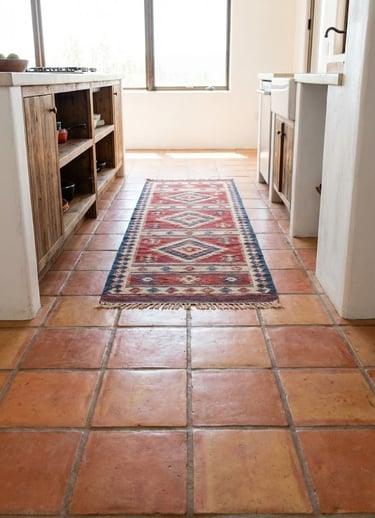
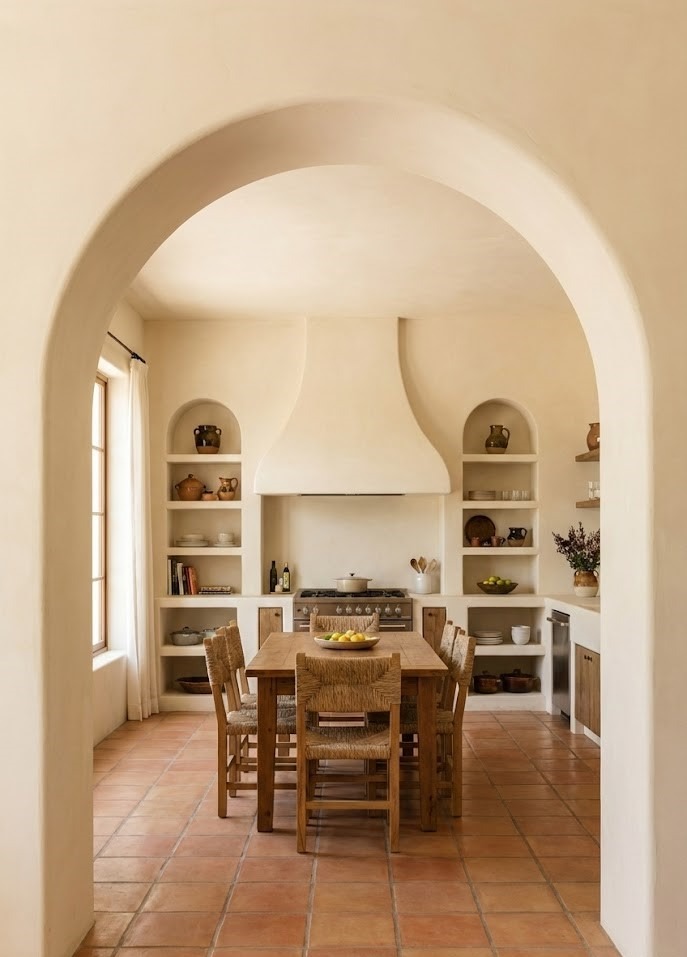
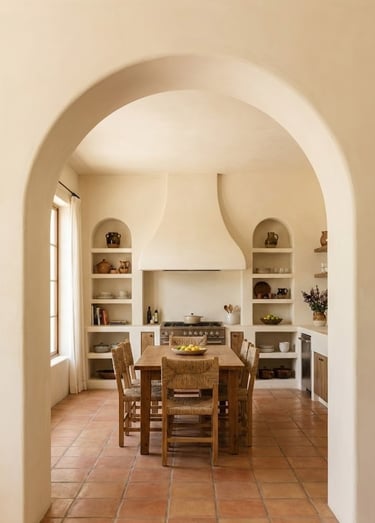
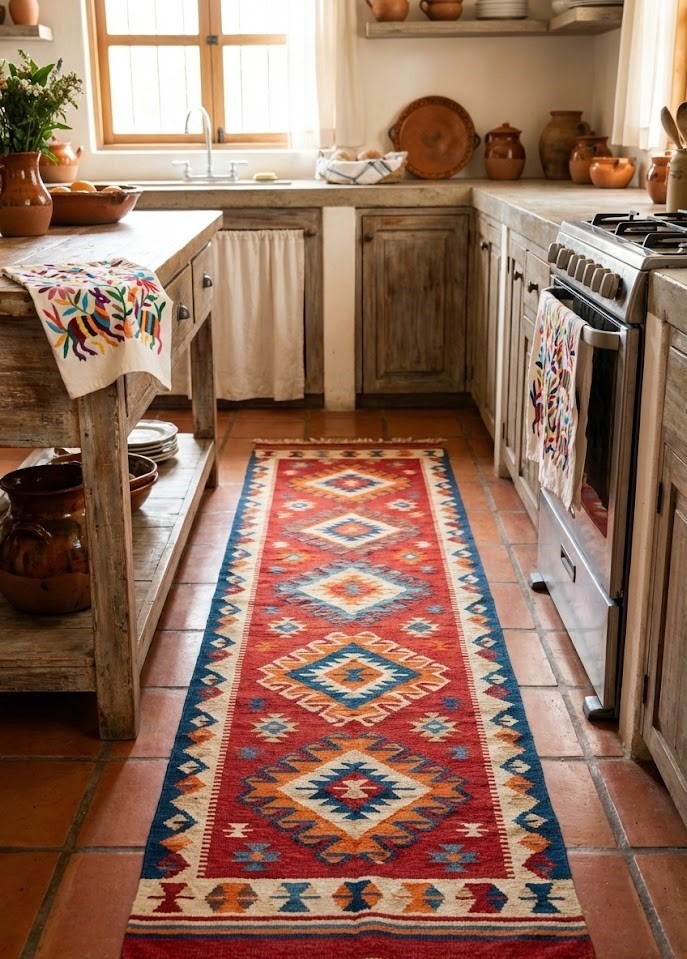
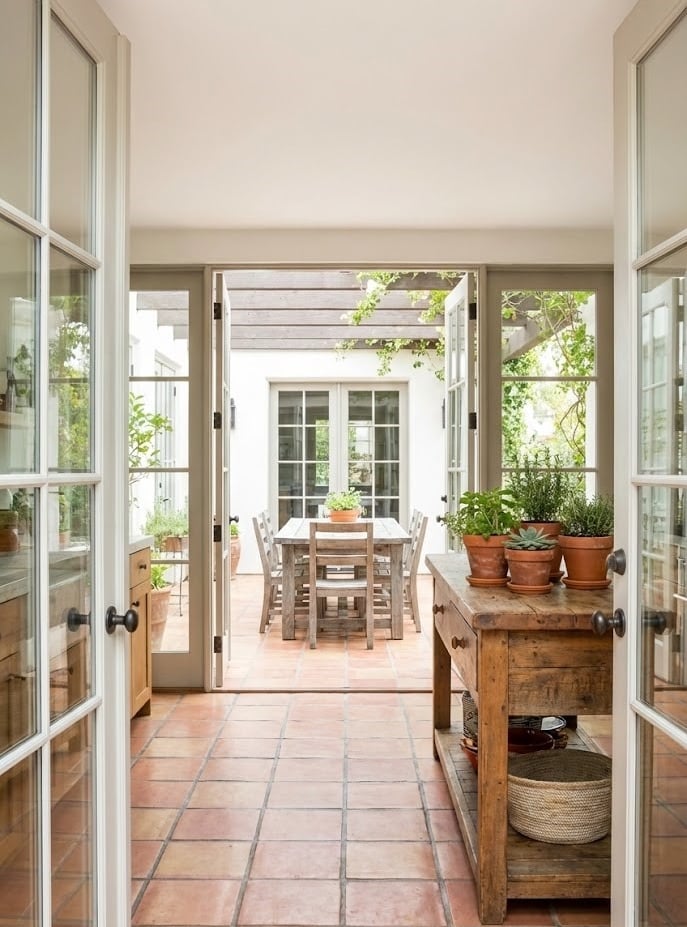
Ground your kitchen design with the earthy, rustic warmth of Saltillo tiles. Originating from Saltillo, Mexico, these clay pavers are famous for their soft, reddish-orange hues and natural variation. unlike cold stone or ceramic, terracotta feels warm and soft underfoot. Over time, they develop a beautiful patina that adds to the "lived-in" charm of the space. Pair them with a colorful woven rug to complete the Hacienda aesthetic.
4. Exposed Rustic Wooden Vigas (Beams)
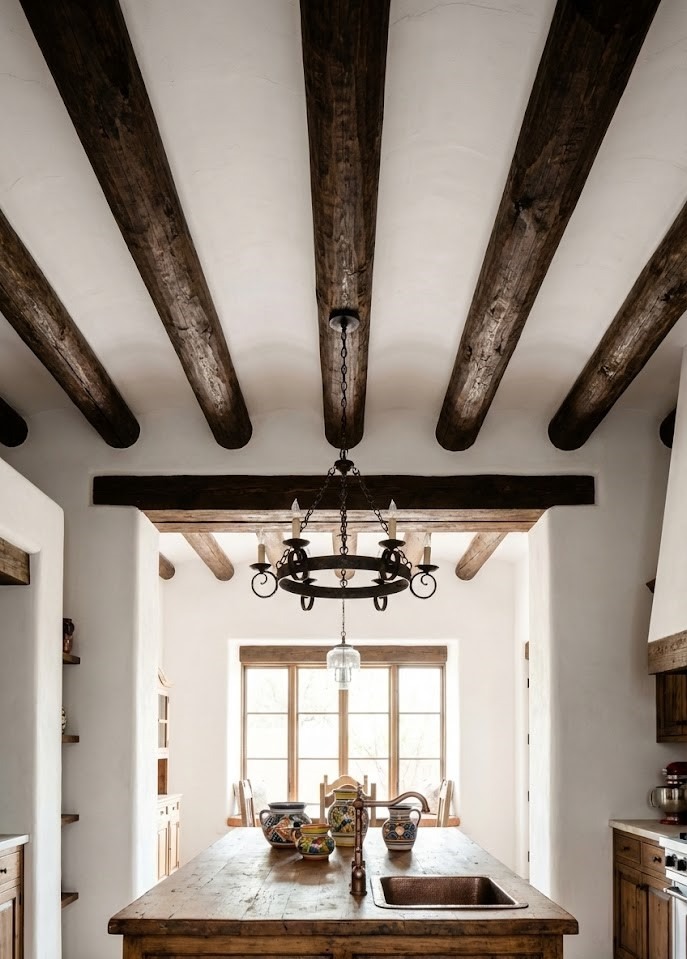
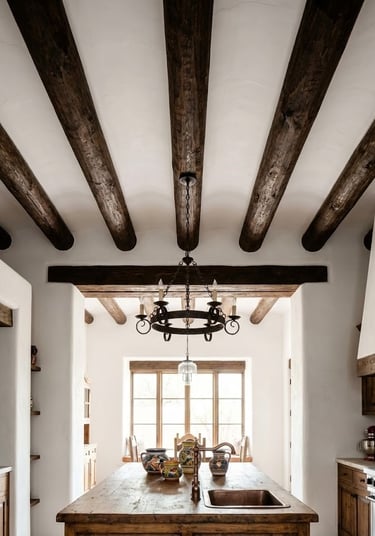
Look up! In traditional Mexican colonial architecture, the ceiling is just as important as the floor. Exposed wooden beams, or "vigas," add architectural weight and rustic charm to the kitchen. Dark, heavy timber contrasts beautifully against white plaster walls or bright tile work. If your home doesn't have existing beams, you can install faux wood beams to recreate this hacienda look, instantly making the room feel cozier and more historic.
9. Statement Wrought Iron Lighting
Swap out standard light fixtures for the dramatic flair of wrought iron. Black iron chandeliers, wall sconces, and cabinet hardware provide a stark, graphic contrast to the bright colors and warm woods typical of Mexican design. Look for fixtures with scrollwork details or heavy chains. For a softer look, consider punched tin star lights (Moravian stars), which cast beautiful, intricate shadows on the ceiling at night.
10. Vibrant Textiles and Floor Runners
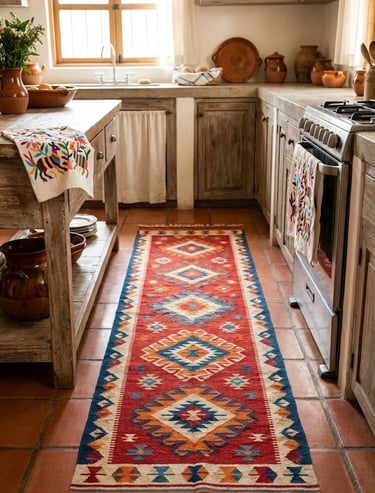
Textiles are the easiest way to inject Mexican flavor without a renovation. Place a long, hand-woven runner rug featuring Zapotec designs or bright stripes down the center of the kitchen floor. Swap plain dishtowels for ones featuring Otomi embroidery (known for their colorful animal and floral motifs). These soft goods dampen sound and add a layer of coziness and cultural storytelling to the hard surfaces of the kitchen.
6. Open Shelving for Artisanal Pottery
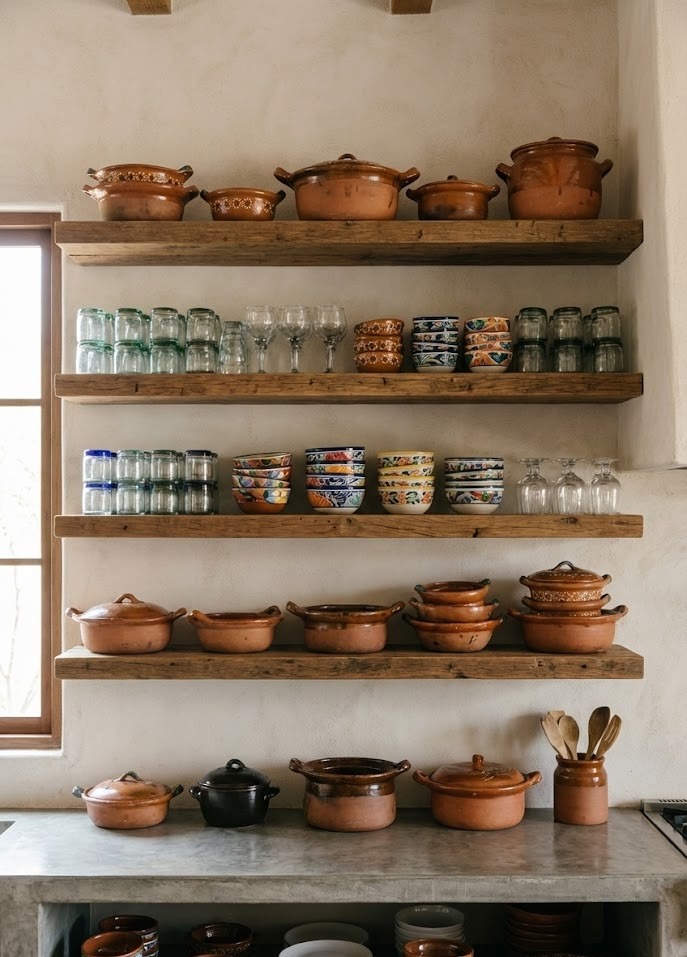
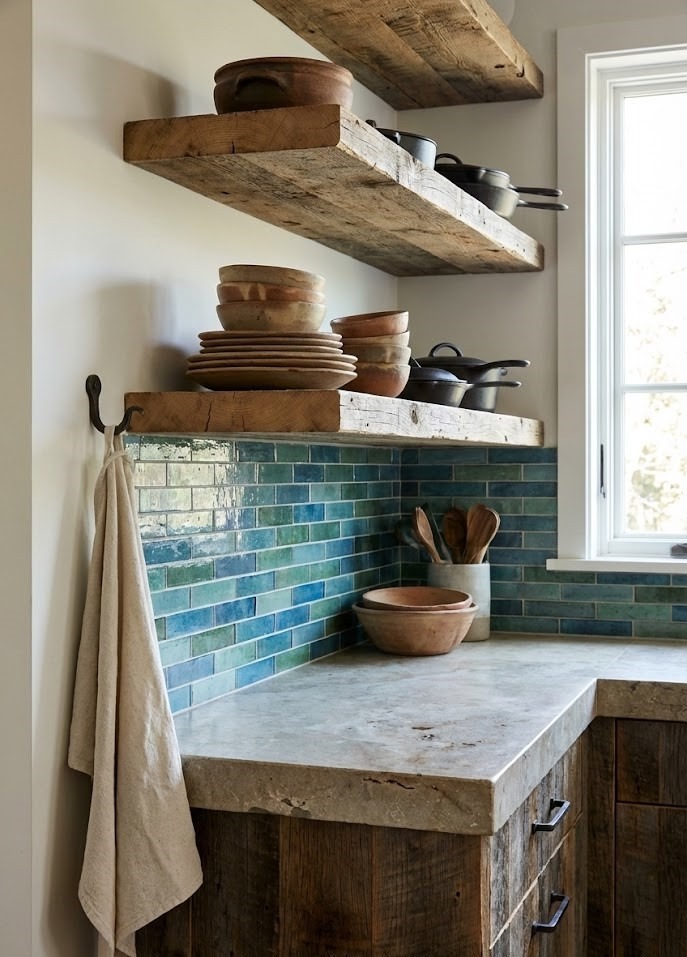
Mexican kitchens are functional workspaces, not hidden storage units. Embrace the "cocina" style by replacing some upper cabinets with thick, floating wood shelves. Use this space to display everyday items like stackable glassware, hand-painted bowls, and clay cazuelas (cooking pots). This not only keeps your tools within reach but also turns your dishware into decor, adding layers of color and personality to the walls.
7. Textured Stucco and Plaster Walls
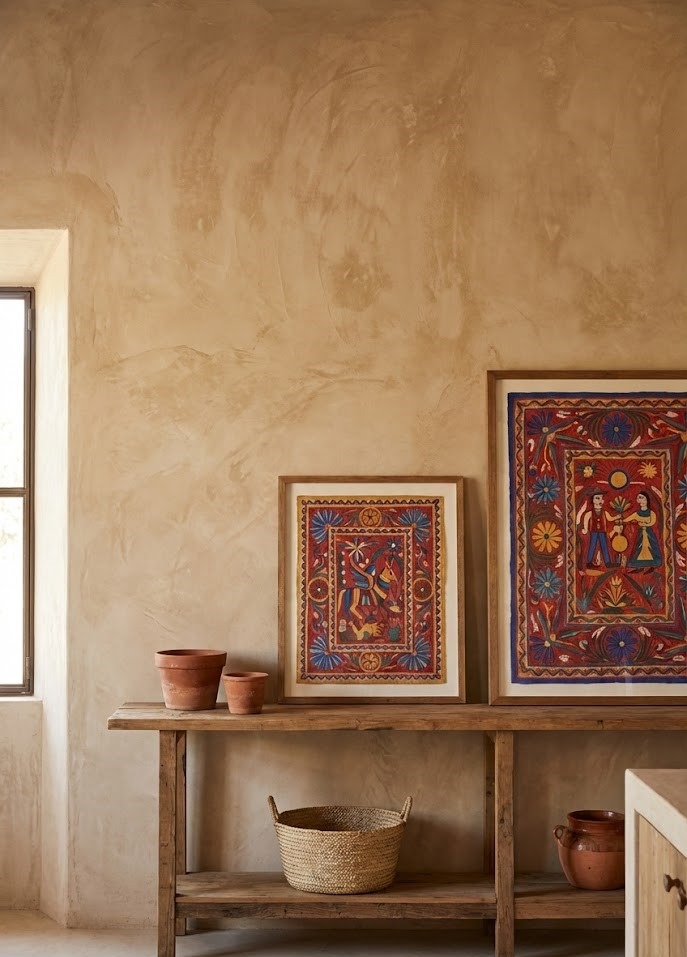
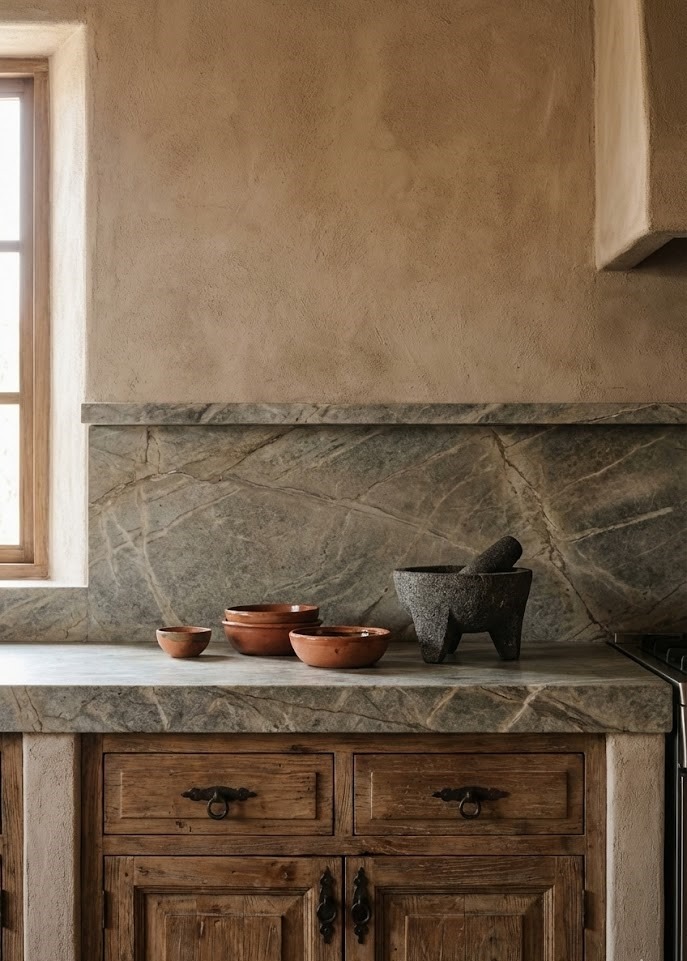
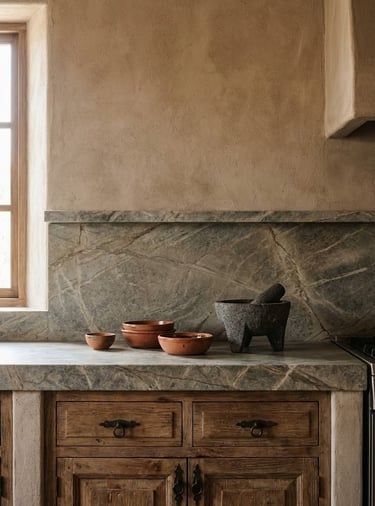
Texture is a key element in Mexican interior design. Smooth drywall can sometimes feel too flat or modern. Instead, opt for textured wall finishes like Venetian plaster, stucco, or a lime wash. These finishes mimic the adobe walls found in traditional Mexican homes. The texture catches the light differently throughout the day, adding depth and a soft, organic feel to the room that serves as a perfect neutral backdrop for colorful art.
8. Architectural Arches and Curves
Softening the hard lines of a kitchen can drastically change its vibe. Spanish Colonial and Mexican architecture frequently utilize arches in doorways, windows, and even niche shelving. If a full renovation is underway, consider creating an arched pass-through to the dining room or an arched hood over the stove. These curves add a sense of romance and flow, breaking up the boxy nature of modern cabinetry.
5. Warm Copper Accents and Cookware
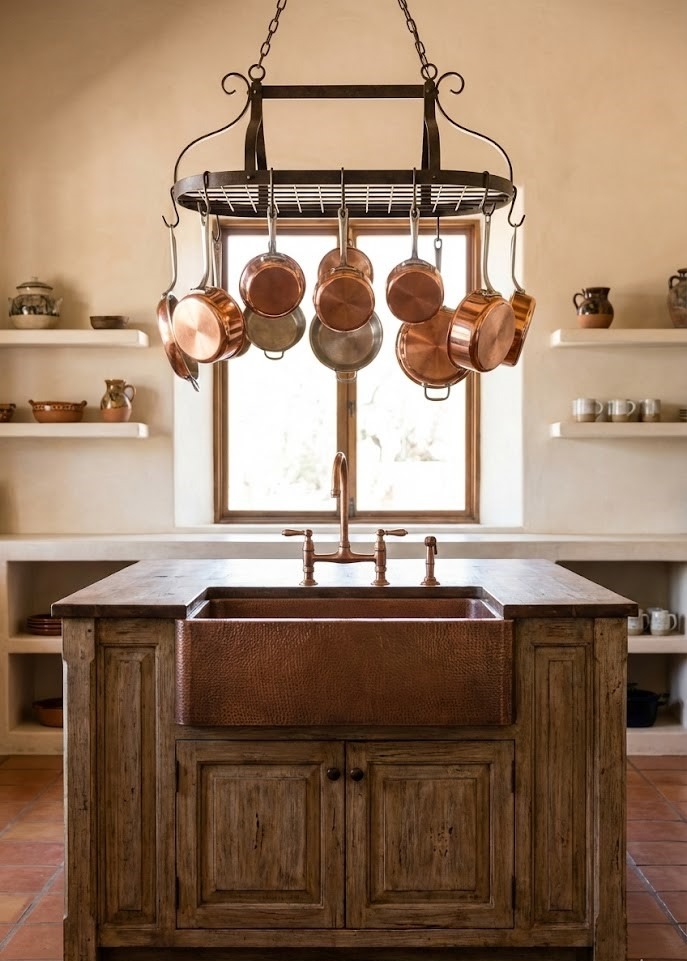
Copper has a long history in Mexican artisanship, particularly from the Santa Clara del Cobre region. Introduce this warm metal into your kitchen through a farmhouse-style hammered copper sink, which naturally kills bacteria and looks stunningly rustic. Alternatively, install a hanging pot rack to display a collection of copper pots and pans. The shimmering orange-gold metal reflects light and adds a sense of old-world luxury to the space.
15. Retro and Vintage Appliances
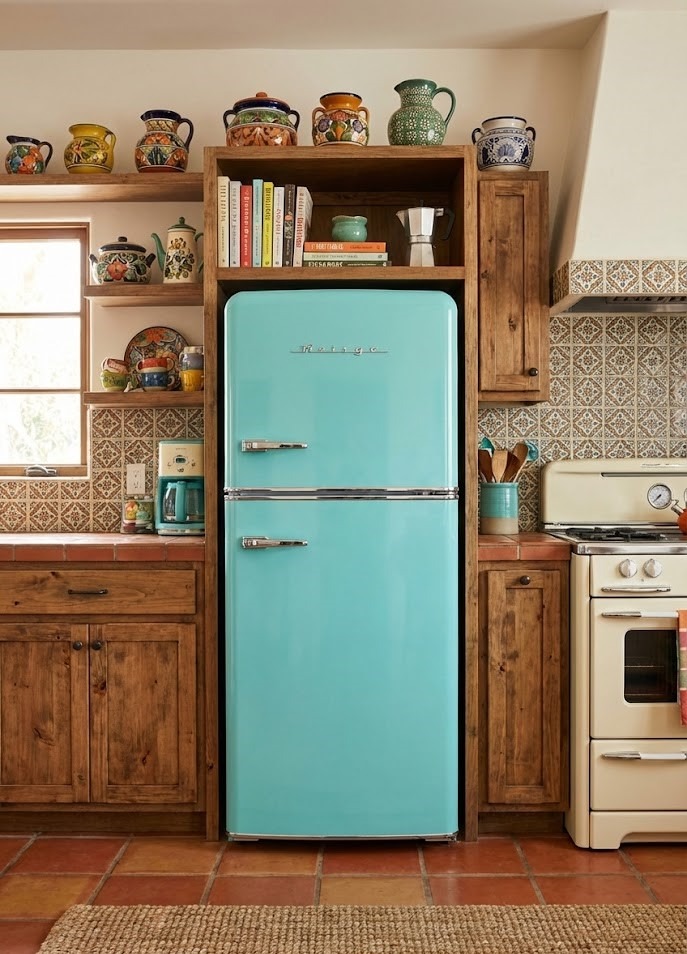
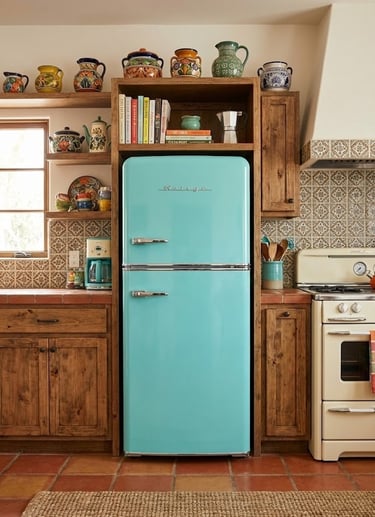
There is a strong sense of nostalgia in Mexican kitchen design. Ultra-modern stainless steel can sometimes feel too cold. Instead, consider retro-style appliances in bold colors like turquoise, red, or cream. Brands that manufacture vintage-style fridges and stoves fit perfectly into the eclectic, gathered look of a Mexican kitchen, bridging the gap between old-school charm and modern functionality.
11. Intricate Mosaic Backsplash Murals
Take the tile concept a step further by installing a mosaic mural. Instead of a repeating pattern, use tiles to create a picture or a centerpiece behind the range. This could be a floral arrangement, a fruit basket, or a geometric sunburst design. A mural acts as a piece of permanent art, drawing the eye immediately to the cooking area and serving as a conversation starter.
12. Rugged Natural Stone Surfaces
While polished quartz is popular, a Mexican-style kitchen often leans towards more natural, rugged stone surfaces. Granite with active veining, soapstone, or even concrete countertops fit the aesthetic well. The goal is to bring the outdoors in. Unpolished or honed finishes feel more authentic and tactile, pairing perfectly with the rough texture of brick or plaster walls.
13. Indoor-Outdoor Living Flow
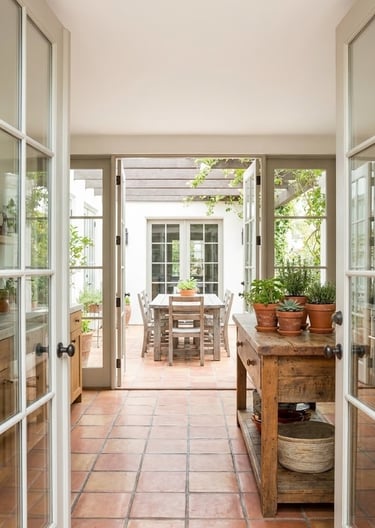
In Mexico, the kitchen often spills out onto a patio or courtyard. If your architecture allows, install French doors or a large sliding window that opens to an outdoor dining area. Use similar flooring materials inside and out to blur the boundary. Filling the kitchen with potted plants, herbs, and succulents also helps bring that lush, garden-fresh feeling inside, making the kitchen feel like an airy sanctuary.
14. Decorative Ironwork Details
beyond lighting, wrought iron can be used as a decorative architectural element. Consider using iron grilles on cabinet doors instead of glass, or installing decorative iron brackets under open shelves. An iron pot rack or a custom iron range hood cover can serve as a heavy, masculine counterpoint to bright tiles and flowers, grounding the design in durability and strength.

16. The "Unfitted" Kitchen Aesthetic
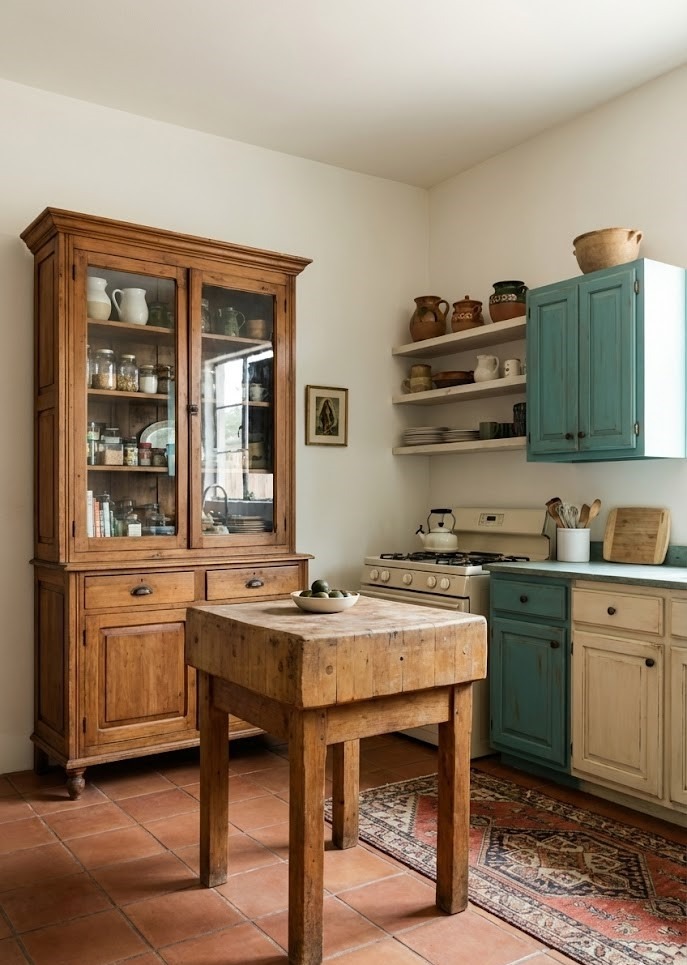
Traditional Mexican kitchens evolved over time, meaning they rarely feature wall-to-wall matching built-ins. To recreate this charm, mix and match your storage. Use a standalone antique hutch for a pantry, a freestanding butcher block table as an island, and painted cabinets that don't perfectly match the wall color. This eclectic "unfitted" look feels curated and personal rather than factory-made.
17. Modern Mexican Fusion
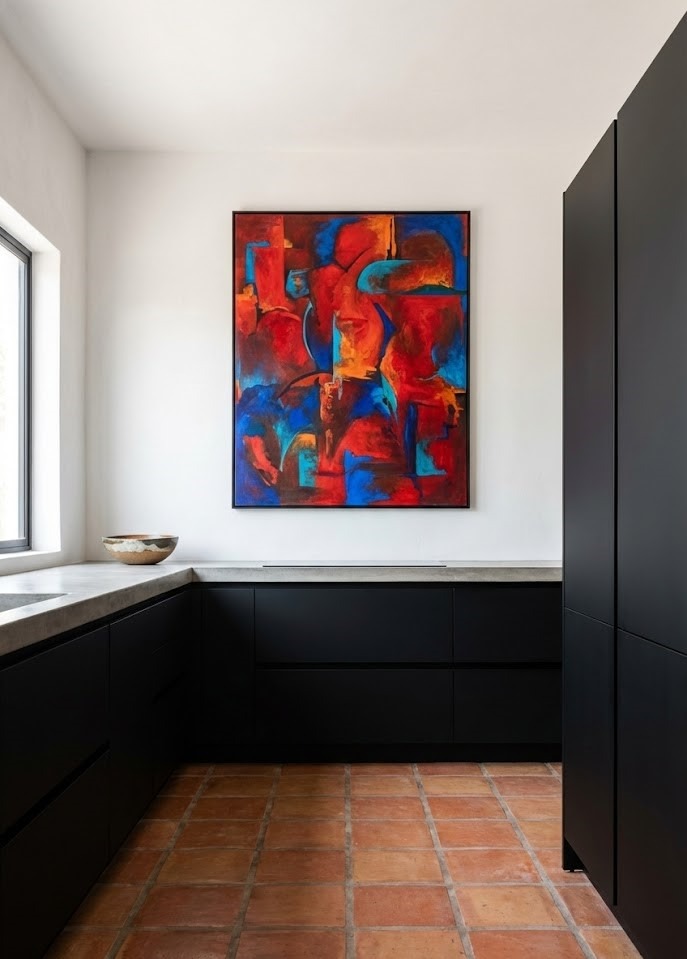
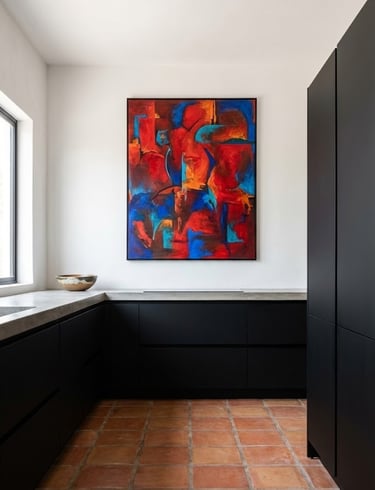
You don't have to go full rustic to enjoy this style. Modern Mexican design blends clean, contemporary lines with traditional materials. Picture sleek, handle-less cabinetry in a matte finish paired with a raw Saltillo floor and a single, dramatic piece of Mexican art. This fusion allows for a clutter-free, minimalist space that still feels warm and culturally rich, perfect for urban apartments or contemporary homes.
18. Sustainable and Natural Materials
Mexican design has always been inherently eco-friendly, relying on local, natural materials. embrace sustainability by using reclaimed wood for shelves, recycled glass for tile accents, and locally sourced stone. Avoid plastics and synthetics; focus on clay, wood, iron, and cotton. This not only lowers the carbon footprint of your remodel but also creates a non-toxic, breathable environment that feels grounded and authentic.
Conclusion
Transforming your kitchen with Mexican-inspired design is about more than just decoration; it is about creating an atmosphere of warmth and welcome. Whether you choose to install vibrant Talavera tiles, expose rustic wooden beams, or simply add colorful textiles, these changes invite life into the room. By blending the practical durability of traditional materials with the joyful color palettes of Mexican culture, you can create a kitchen that is not only a functional workspace but a vibrant heart of the home. Choose the elements that speak to you, and get ready to cook with passion.