
23 Front of House Landscape Ideas That Will Instantly Boost Your Curb Appeal
Your front yard is your home's handshake—it's the first impression you make. I break down 23 actionable landscaping ideas, including how to layer outdoor lighting for drama, why 'foodscaping' is the new gardening trend, and how to create a 'social' front porch that invites connection
OUTDOOR
As a home design editor, I have walked through thousands of properties. I’ve learned that the front of your house is more than just an entrance—it is a handshake. It is the first statement your home makes to a guest and the last image they carry away. A neglected front yard can make even a stunning architectural gem feel tired, while a thoughtful, well-designed landscape can instantly elevate your property value and neighborhood status.
However, the challenge lies in finding the sweet spot between "magazine-cover stunning" and "real-life manageable." You want a yard that stops traffic, not one that demands you sacrifice every weekend to weeding and pruning.
Whether you are working with a sprawling estate lawn or a modest urban patch, I have compiled 23 proven landscaping ideas. These range from simple afternoon DIYs to transformative renovations, all designed to give your home the grand welcome it deserves.
1. Create a "Grand Arrival" Walkway
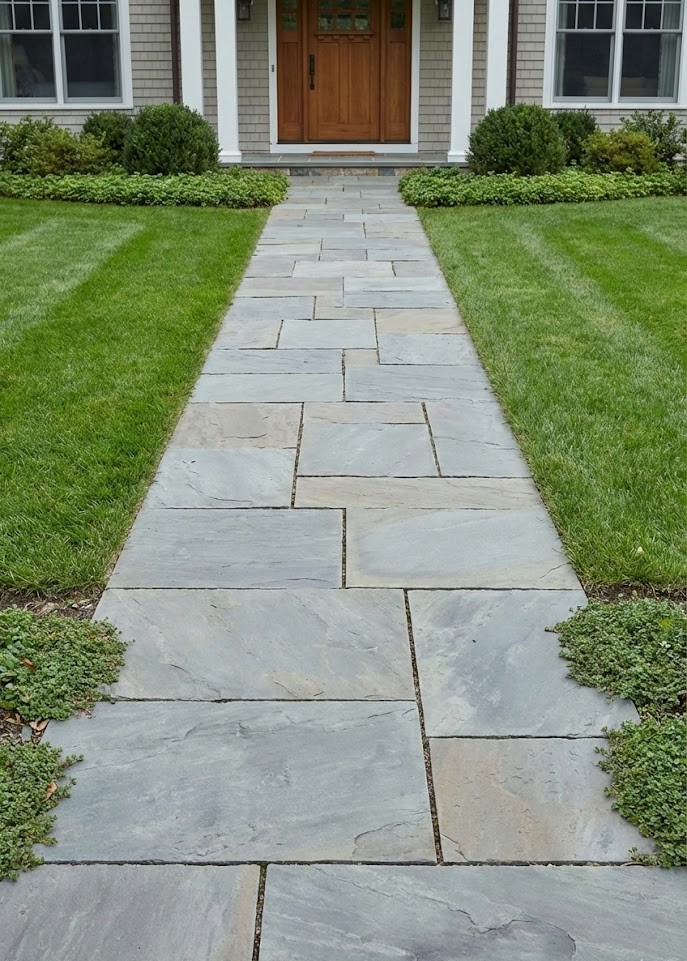
The path to your front door establishes the rhythm of the visitor's experience. If your current walkway is a narrow, cracked builder-grade concrete slab, you are missing a massive design opportunity.
The Design Edit: Widen your walkway to at least four feet—ideally five. This is the social dimension that allows two people to walk side-by-side comfortably rather than single-file. Consider the shape: a gentle "S" curve feels organic and leisurely, while a straight path feels formal and direct.
Material Matters: Swap concrete for materials that contrast with your siding. If you have a brick house, go for bluestone or slate pavers. If you have vinyl siding, a brick herringbone path adds necessary texture.
Pro Tip: Soften the edges by planting low-growing creepers like thyme or moss in the joints between stones.
2. Layer Your Lighting for Drama
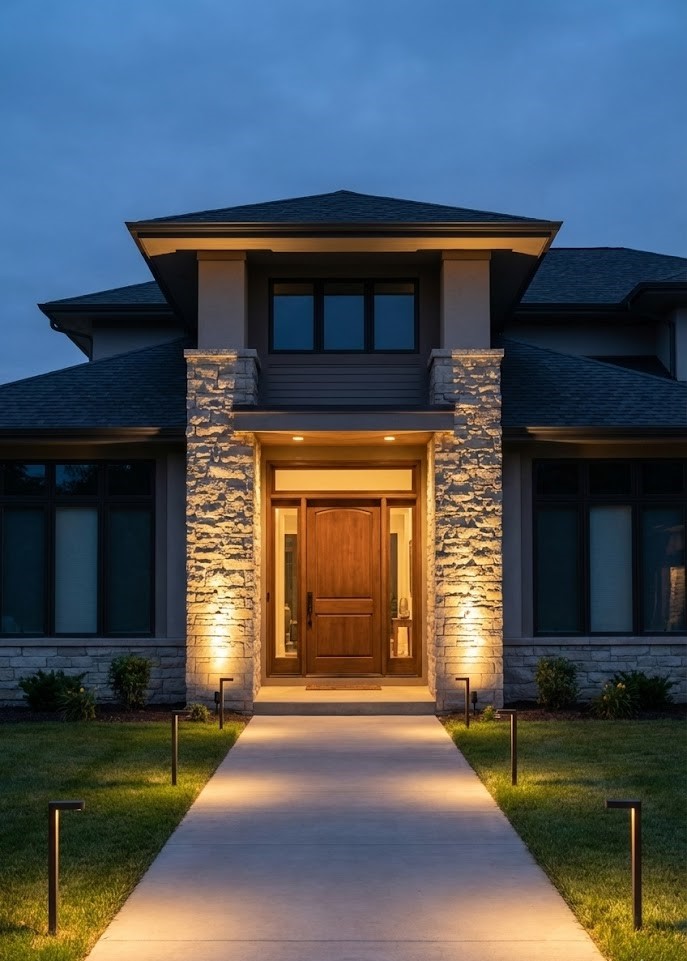
Outdoor lighting is often sold as a security feature, but in the design world, it is pure theater. A single porch light flattens the look of your house; layered lighting adds depth.
How to Style It: You need three layers of light:
Path Lighting: Low-voltage mushroom lights or bollards to guide the feet.
Uplighting: Place these at the base of trees or architectural columns to highlight textures (like brick or bark) and create dramatic shadows.
Warmth: Ensure your bulbs are in the "warm white" spectrum (2700K to 3000K). Cool blue LEDs can make a home look like a sterile hospital.
Pros: Increases safety and extends the hours you can enjoy your front yard.
Cons: Wired systems require professional installation; solar is easier but offers dimmer, less reliable light.
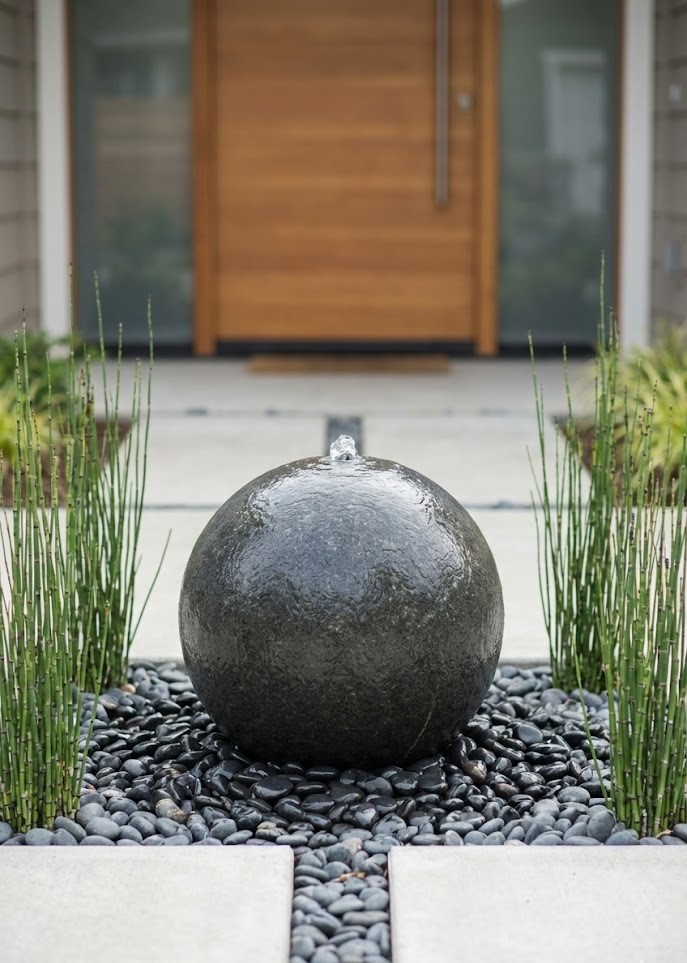
3. The Sound of Serenity: Water Features
A water feature transforms a front yard from a visual space into a sensory experience. The sound of running water triggers a biological relaxation response and creates a "white noise" barrier against passing cars.
The Modern Approach: Forget high-maintenance koi ponds. Opt for a "pondless" water feature, such as a recirculating ceramic urn or a basalt column bubbler. The water reservoir is hidden underground, meaning there is no standing water to breed mosquitoes or collect algae.
Design Tip: Place the feature near the entryway or a front window so you can hear it from inside the house when the windows are open.
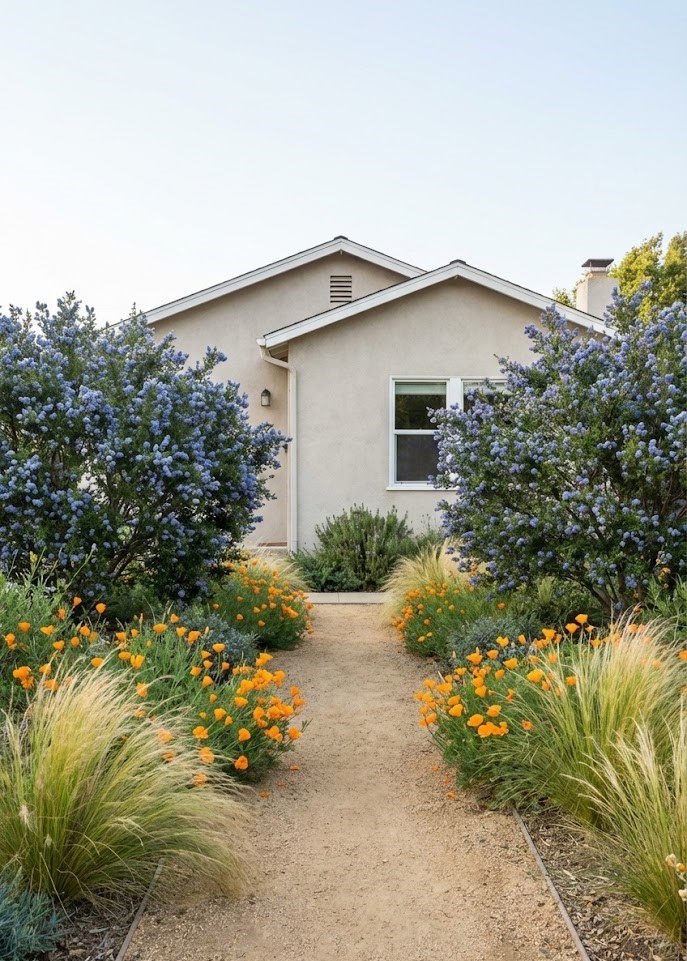
4. Go Native with Plant Choices
Stop fighting your climate. "Native" gardening is one of the biggest trends in landscape architecture because it acknowledges the reality of your local environment.
Why It Works: Native plants have spent thousands of years adapting to your specific soil composition and rainfall patterns.
Midwest? Try Purple Coneflower and Black-eyed Susans.
Southwest? Agave and Yucca are sculptural and drought-proof.
Northeast? Mountain Laurel and Ferns thrive here.
Because they belong there, they require virtually no fertilizer and significantly less water than exotic species, saving you money and weekend labor.
9. Drift Planting for Color
One of the most common amateur mistakes is buying one of every flower at the nursery. This results in a chaotic, "polka-dot" look.
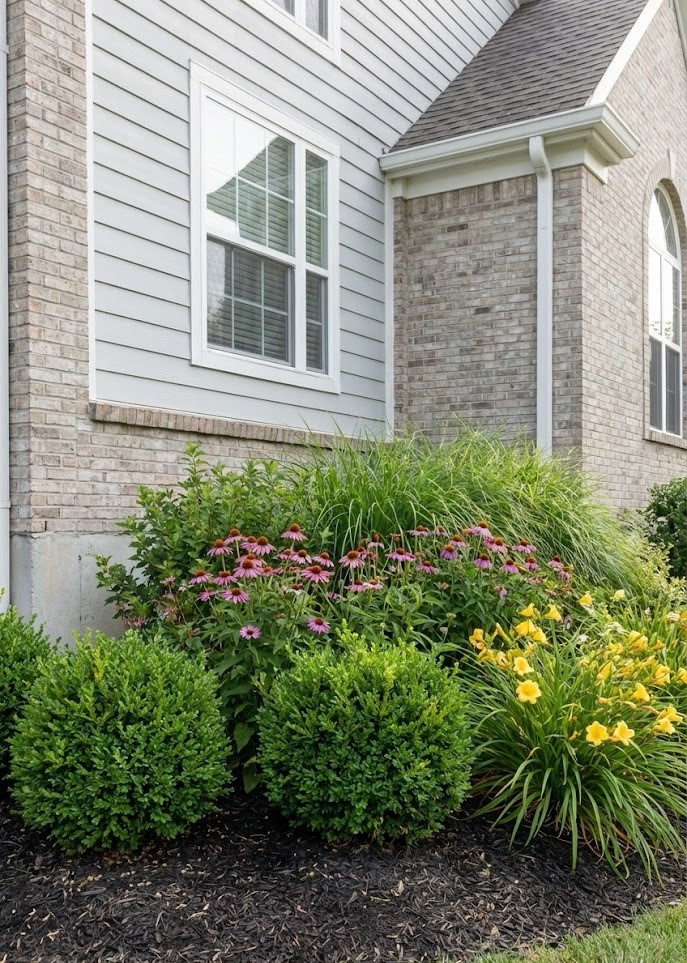
The Professional Method: Use "drift planting." This means planting groups of 5, 7, or 9 of the same plant together in a cluster. When they bloom, they create a sweeping splash of color that is readable from the street.
Example: A drift of 10 yellow Daylilies is a statement. 10 individual Daylilies scattered around the yard disappear.
The Rule: Always plant in odd numbers; it looks more natural to the human eye than even pairings.
10. Build a Pollinator Haven
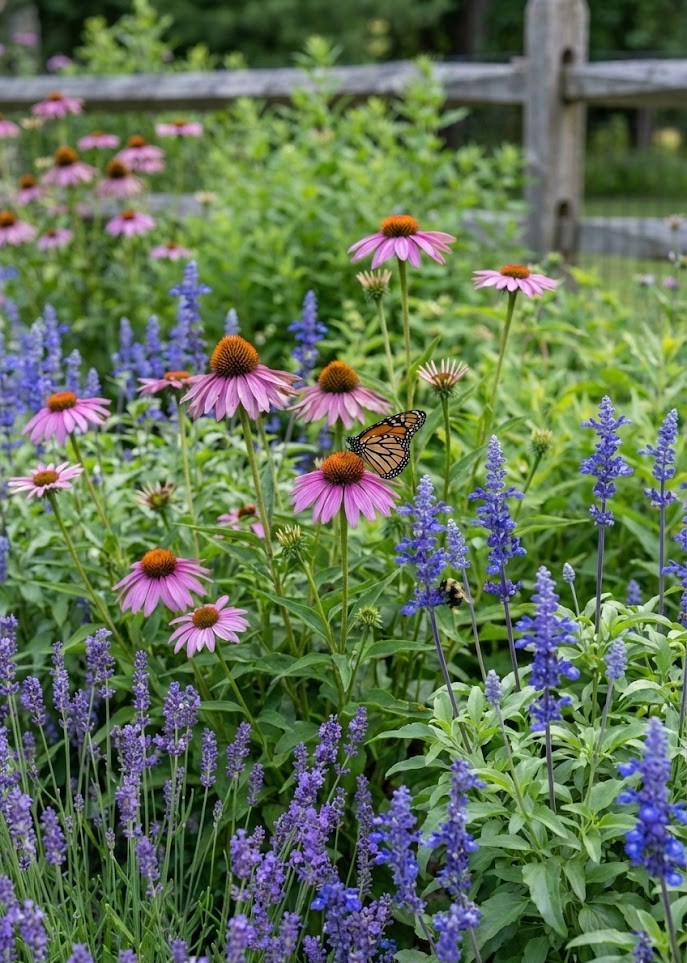
A garden that is alive with movement is a joy to watch. By designing for pollinators, you aren't just gardening; you are stewarding the ecosystem.
What to Plant: Focus on nectar-rich flowers that bloom at different times of the year to provide a steady food source.
Butterflies: Milkweed (vital for Monarchs) and Butterfly Bush.
Bees: Lavender, Salvia, and Bee Balm.
Hummingbirds: Trumpet Vine or Fuchsia.
The Benefit: A pollinator garden ensures your vegetable and fruit plants produce better yields, and the constant activity of birds and insects makes the garden feel alive.
6. The "Social" Front Porch
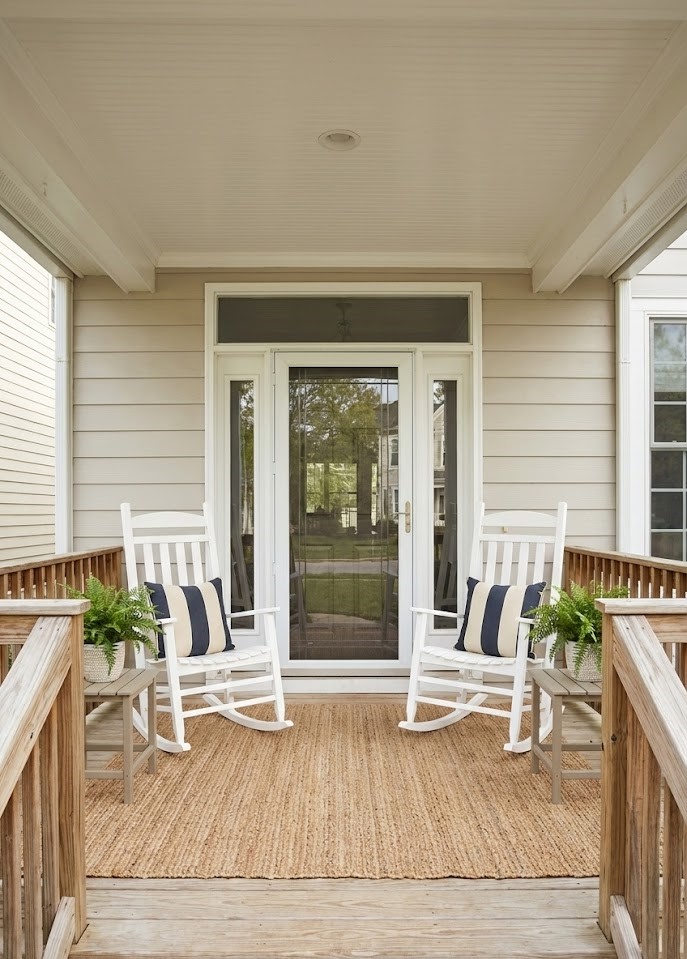
In recent years, we have seen a shift away from the backyard and back toward the front porch. It is about community connection. Transform your porch from a pass-through zone into a destination.
Styling the Space: Even a small stoop can handle design.
Furniture: If you have space, a porch swing is the gold standard. For smaller spaces, two Acapulco chairs or a bistro set work wonders.
Textiles: Treat it like a living room. Add an outdoor rug to define the space and weather-resistant throw pillows in bold prints.
The Vibe: Leaving a light on and having comfortable seating signals to neighbors that yours is a friendly, welcoming home.
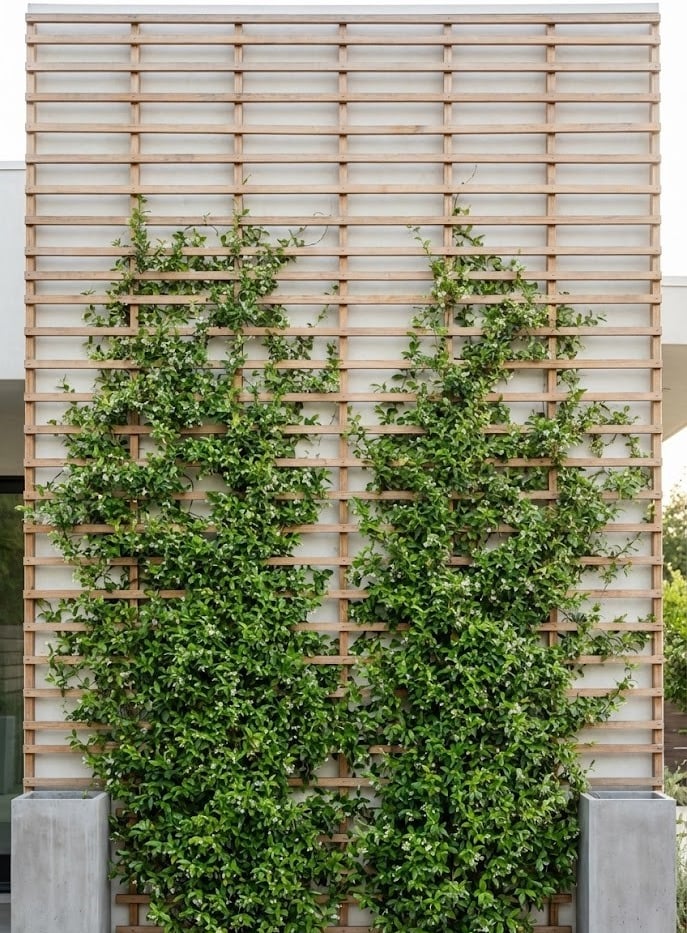
7. Vertical Gardening for Privacy
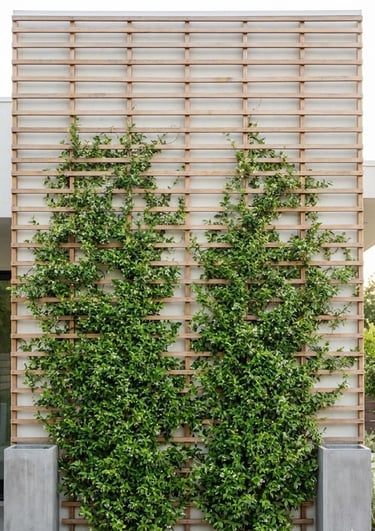
If you have a large blank wall on your garage or an unsightly chain-link fence, the solution is to go vertical. This adds a layer of lush greenery without sacrificing precious square footage.
How to Execute:
Trellising: Install cedar trellis panels or a modern wire grid system.
The Plants: Choose vigorous climbers. Star Jasmine offers an incredible scent. Clematis provides stunning purple or pink blooms. Boston Ivy gives you that academic, established look (just be careful with ivy on masonry).
This technique softens the hard, industrial lines of modern architecture and makes the home feel nestled in nature.
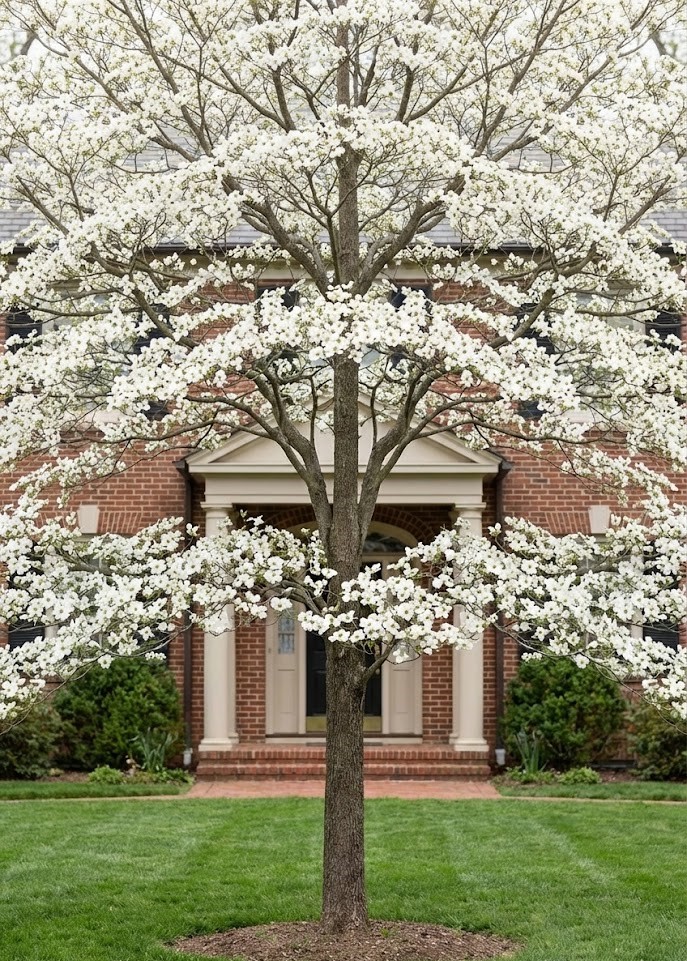
8. Plant a "Hero" Specimen Tree
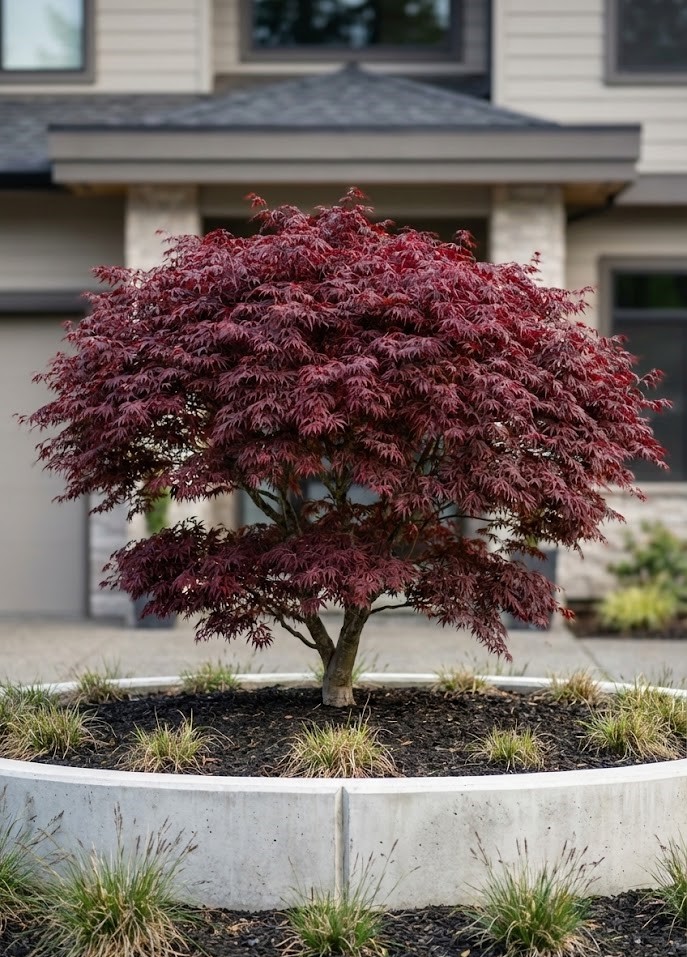
A single, well-placed tree can change the entire character of a property. This is your "Hero" tree—the star of the show.
Selection Criteria: Avoid massive shade trees (like Oaks) right next to the house. Instead, choose ornamental trees that offer multi-seasonal interest.
Spring: Flowering Dogwoods or Cherry Blossoms for pink/white explosions.
Summer: Crape Myrtles for long-lasting blooms.
Fall: Japanese Maples for architectural branches and fiery red leaves.
Pro Tip: Uplight your hero tree at night to turn it into a living sculpture.
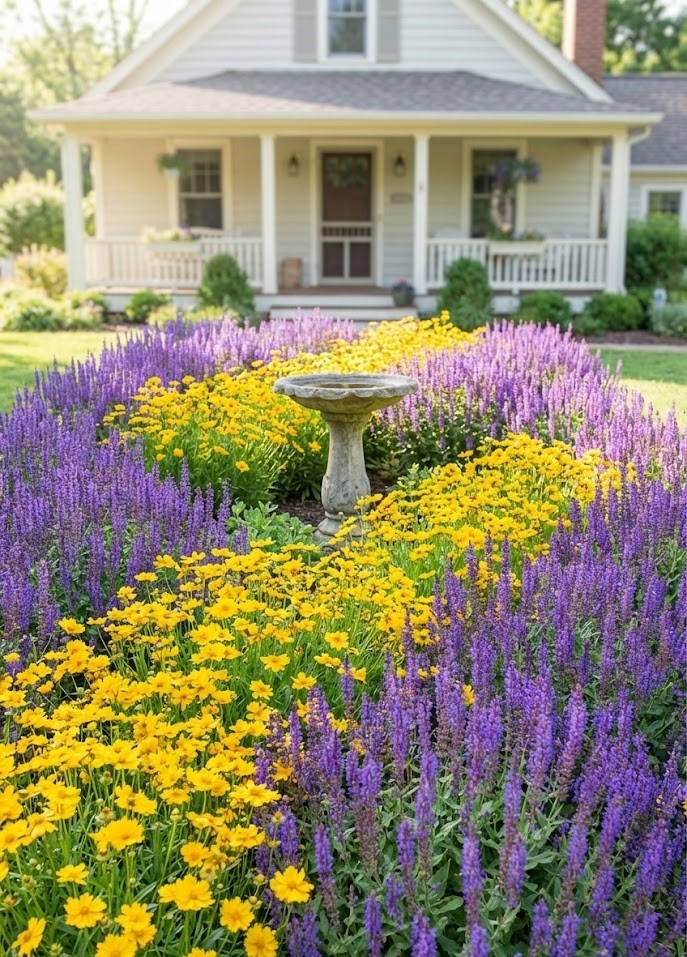
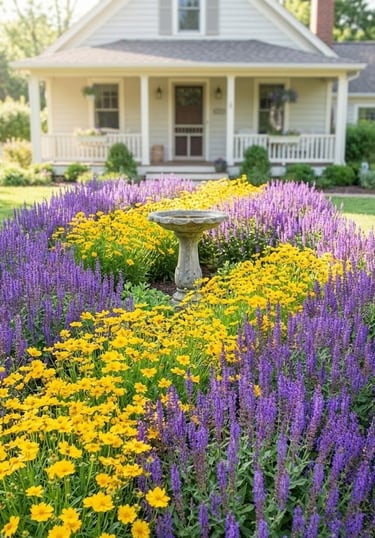
5. Install a Statement Focal Point
Every good room needs a focal point, and your garden is no exception. Without one, the eye wanders aimlessly. A focal point tells the viewer where to look.
Choosing Your Anchor: This doesn't have to be a fountain. It could be:
Sculptural: A Japanese Maple with weeping red leaves.
Architectural: A modern Corten steel sphere or an antique iron gate used as art.
Classic: A concrete birdbath on a pedestal.
Placement: Place this item at the center of a circular flower bed or at the "bend" of a curved walkway to create a sense of discovery.
15. Window Boxes for Instant Charm
Window boxes are like jewelry for your house. They add instant color and break up the facade, bridging the gap between the architecture and the garden.
The Formula for Success: Use the "Thriller, Filler, Spiller" method:
Thriller: A tall plant in the center (e.g., Geraniums or Dracaena).
Filler: Medium plants to make it look full (e.g., Petunias or Pansies).
Spiller: Trailing plants that hang over the edge (e.g., Ivy or Potato Vine).
Material Note: Avoid wood that rots. Go for cellular PVC that looks like wood but lasts a lifetime, or copper which develops a beautiful patina.
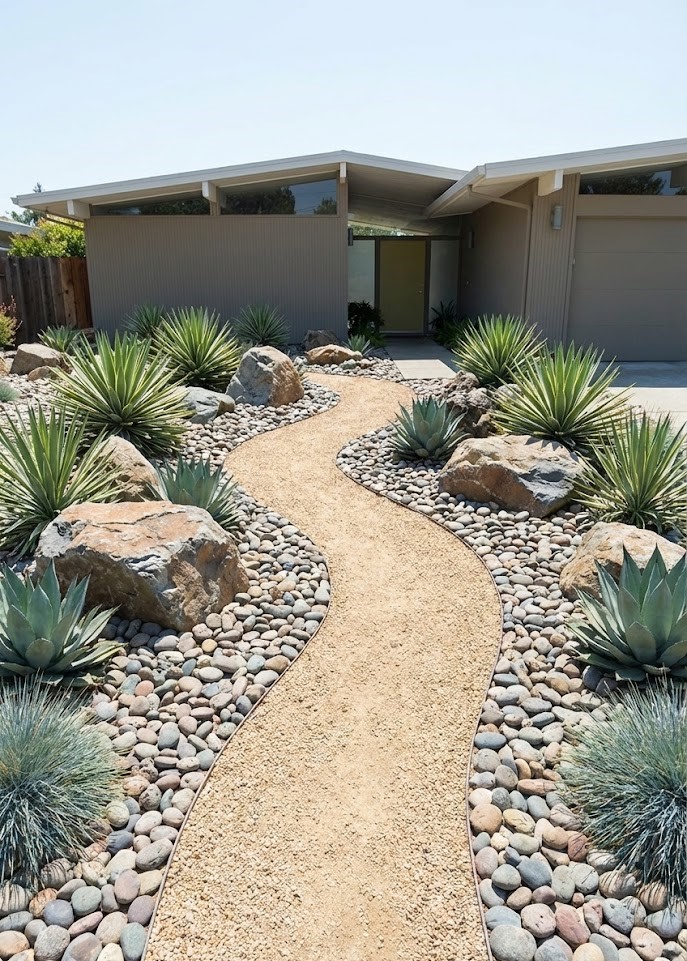
11. The Low-Maintenance Rock Garden
If you hate mowing or have a slope that is difficult to cut, a rock garden is a brilliant solution. This is not just a pile of stones; it is "xeriscaping."
Designing with Stone:
Variation: Use three sizes of stone—boulders for structure, river rock for the bed, and pea gravel for pathways.
Planting: Tuck drought-tolerant grasses like Blue Fescue or succulents like Sedum between the rocks.
Pros: Virtually eliminates watering and weeding.
Cons: Stone absorbs heat, so this creates a warmer microclimate near your house.
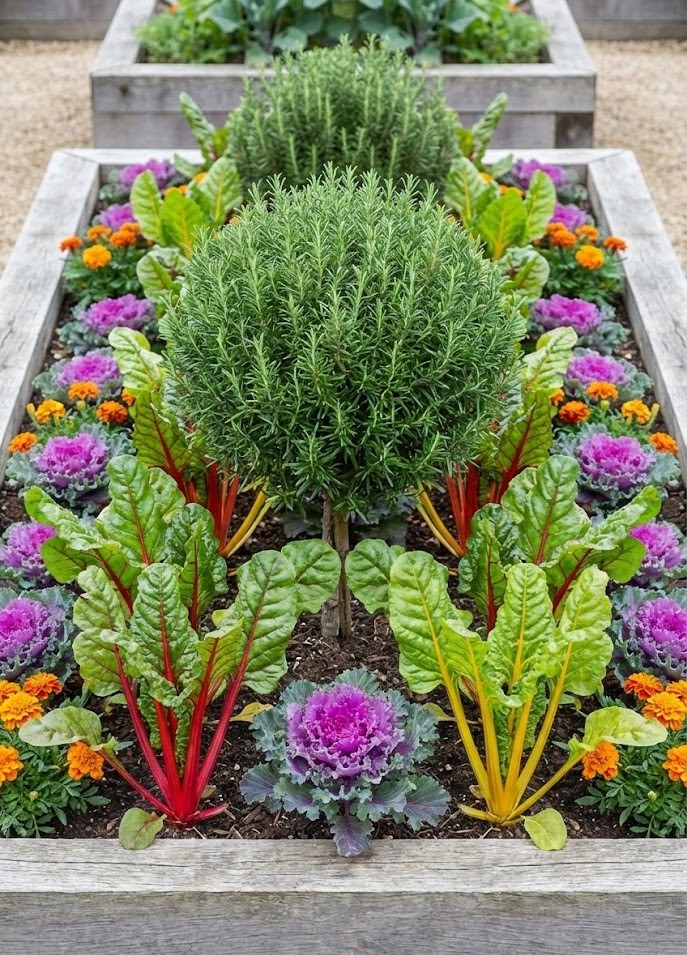
12. Edible "Foodscaping"
Who says vegetable gardens belong hidden in the back? "Foodscaping" is the art of integrating edible plants into ornamental beds.
Beautiful Edibles:
Rainbow Chard: The stems are vibrant neon pink, yellow, and orange.
Blueberry Bushes: They offer lovely flowers in spring, fruit in summer, and bright red foliage in autumn.
Herbs: Rosemary creates a fragrant, evergreen hedge that looks just as good as boxwood but tastes better.
This approach provides functional beauty that literally puts food on your table.
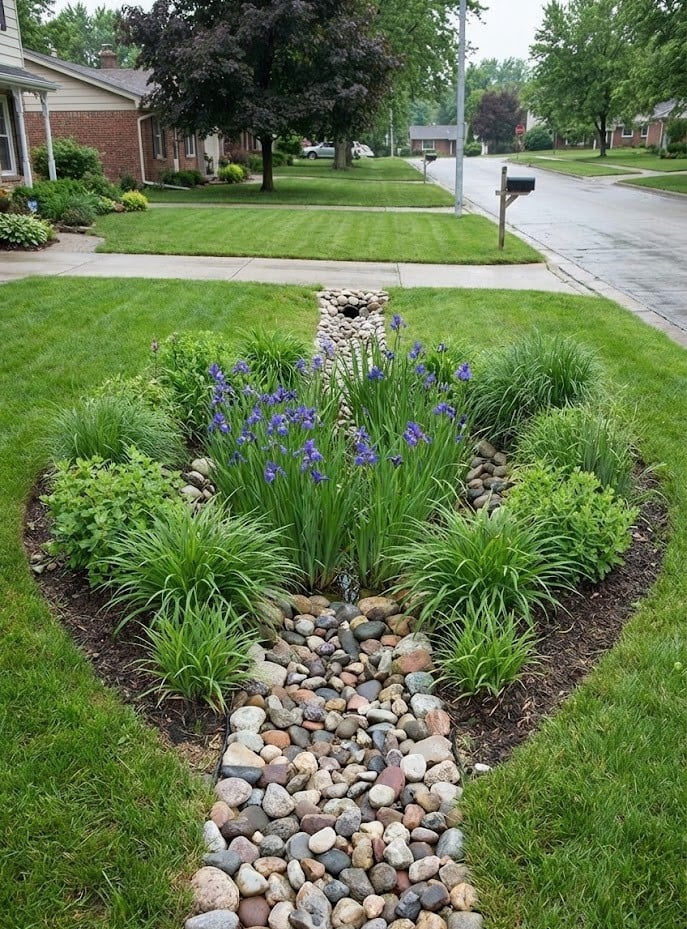
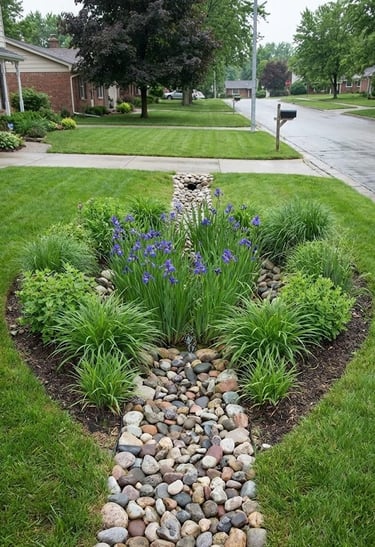
13. Eco-Friendly Rain Gardens
If you have a low spot in your yard that gets soggy after a storm, don't fight it—utilize it. A rain garden is a shallow depression planted with deep-rooted native species designed to capture runoff.
How It Works: Direct your downspouts toward this depression. The plants (like Swamp Milkweed, Cardinal Flower, or Joe Pye Weed) tolerate "wet feet." They filter pollutants from the roof and driveway water before it returns to the groundwater system.
Bonus: This solves drainage headaches without expensive French drain installations.
14. Modern Minimalist House Numbers
One of the cheapest upgrades with the biggest ROI (Return on Investment) is replacing your house numbers. Faded, brass 3-inch numbers from the 1990s date your home immediately.
The Update:
Style: Look for sans-serif fonts (like Neutraface) for a Mid-Century or Modern look.
Finish: Matte black stands out beautifully against white or beige siding; brushed steel pops against brick or dark paint.
Placement: Mount them vertically on a wooden plaque, or horizontally on a large landscape rock near the street. Ensure they are at least 6 inches tall for visibility.


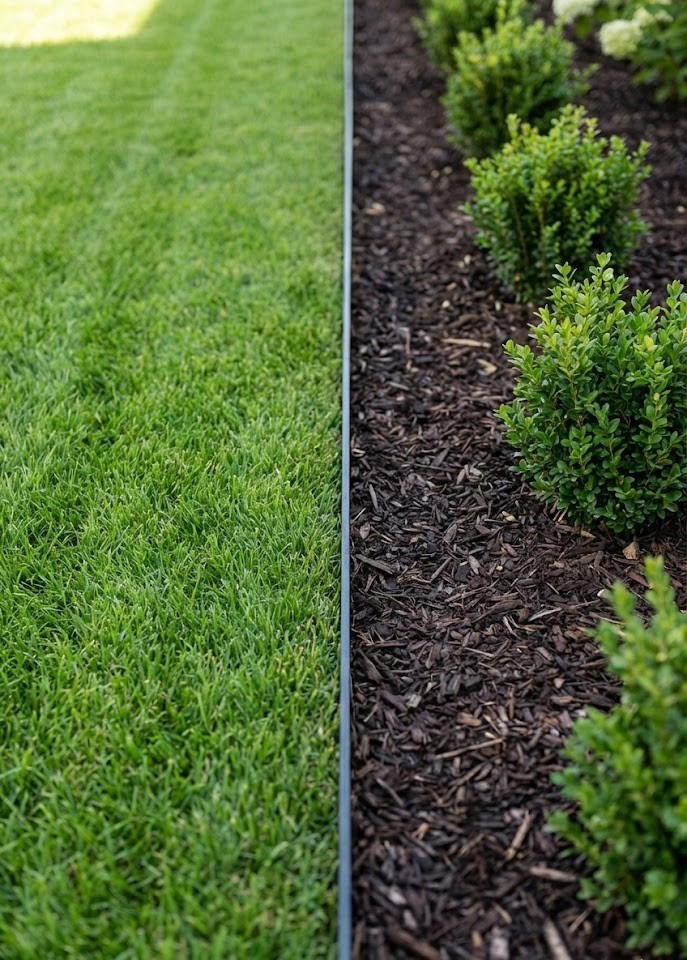
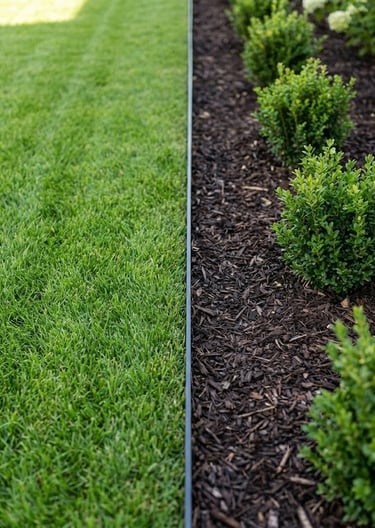
16. Crisp Landscape Edging
The difference between a messy, amateur yard and a professional one is usually the edge. The line where the grass meets the mulch needs to be defined.
Edging Options:
Trenching: The most natural look. Simply cut a 'V' trench with a spade. It’s free but requires maintenance twice a year.
Steel: A thin strip of Corten or black steel creates a modern, barely-there barrier.
Stone: A "soldier course" of bricks laid side-by-side offers a classic, cottage feel.
This physical barrier keeps grass from creeping into your beds and gives the eye a crisp line to follow.
17. Symmetrical Balance
For a formal, high-end look, embrace symmetry. Humans are psychologically drawn to balance; it feels stable and orderly.
Where to Apply It:
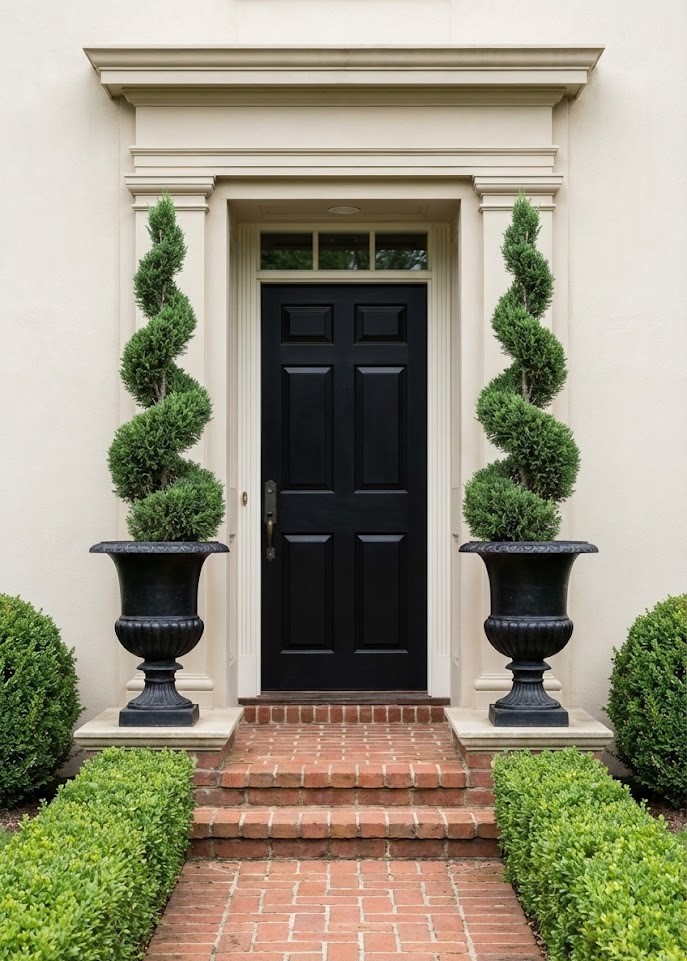
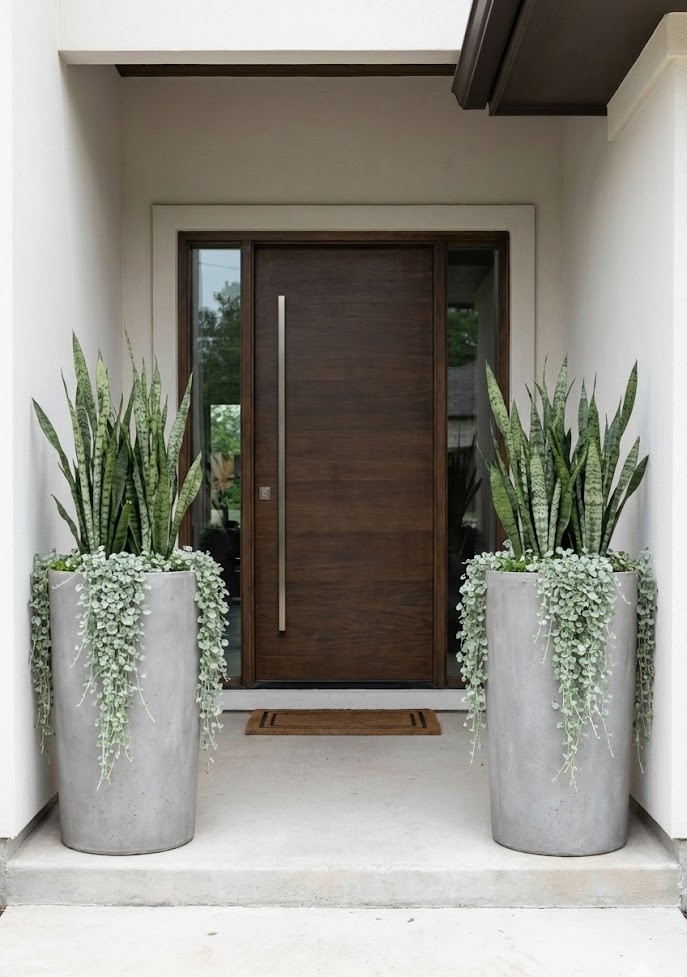
The Entry: Flank your front door with identical oversized pots planted with identical topiaries (Spiral Junipers or Boxwood spheres).
The Path: Plant rows of the same shrub (like Holly or Hydrangea) on both sides of the walkway.
This is the easiest way to make a chaotic house look organized and "grand."
18. The Driveway Apron
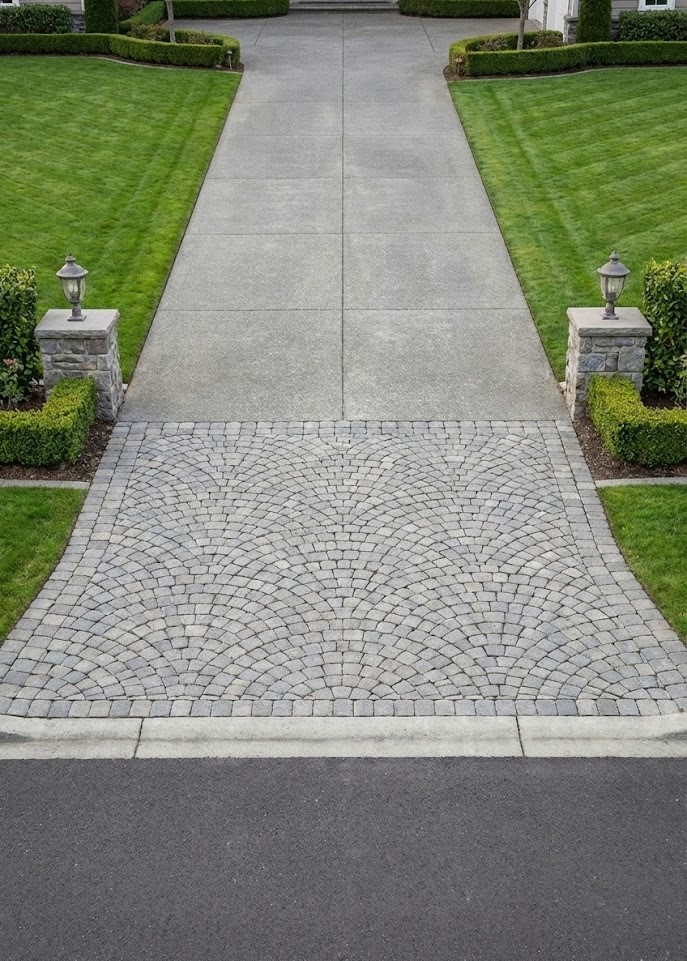
Your driveway takes up a massive amount of visual real estate—often up to 30% of the front view. Yet, it is usually just a slab of asphalt.
The Solution: Install a "driveway apron." This is a border of cobblestones, pavers, or brick installed at the entry where the driveway meets the street (and optionally where it meets the garage).
Why it works: It acts as a welcome mat for your car. It breaks up the monotony of the blacktop and signals that you are entering a designed property, not just a road.


19. Oversized Planters
A common mistake is using pots that are too small. Small pots dry out quickly and look cluttered. In exterior design, bigger is always better.
The Strategy: Upgrade to massive, oversized planters (24 inches in diameter or larger).
Healthier Plants: A larger volume of soil insulates roots against heat and holds water longer, meaning your plants survive hot summer days better.
Visual Weight: Two massive planters make a confident statement, whereas six small pots look like a yard sale.
20. Soften the Foundation
"Foundation planting" is the landscaping that hugs the base of your home. Its purpose is to hide the exposed concrete foundation and "anchor" the house to the earth.
Layering is Key: Don't just plant a single row of bushes. Create layers:
Back Layer: Evergreen shrubs (Boxwood, Yew) to provide year-round structure and hide the concrete.
Front Layer: Flowering perennials (Hydrangeas, Roses) to add color and softness.
This transition from the vertical wall to the horizontal lawn should be gradual and lush.
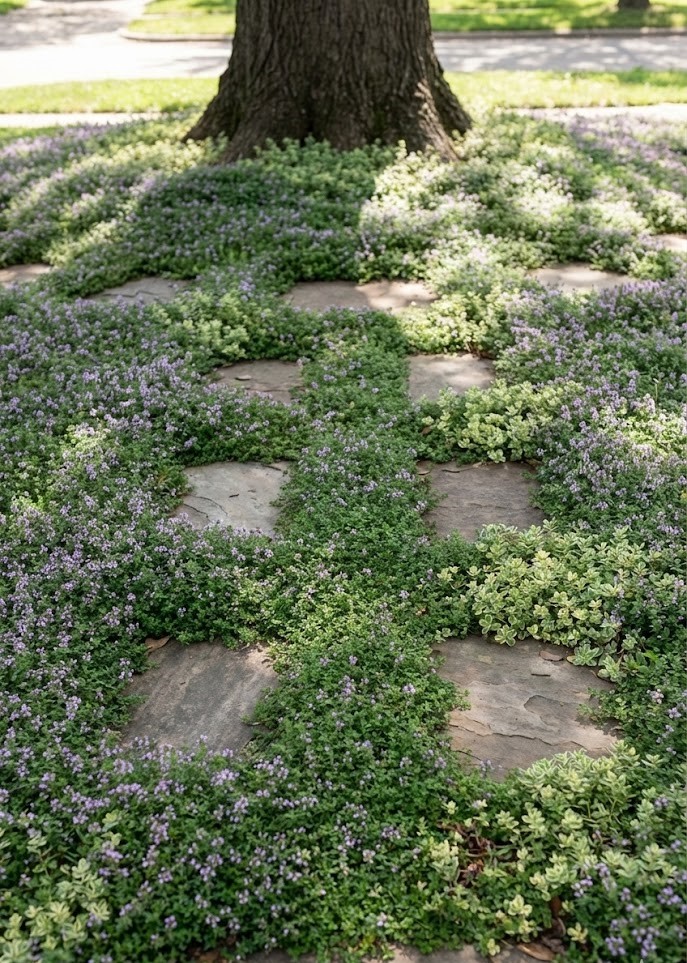
21. Ground Cover Alternatives
Mulch is great, but "living mulch" is better. Ground cover plants form a dense mat that suppresses weeds, retains soil moisture, and adds greenery.
Top Picks:
Shade: Pachysandra or Vinca Minor create a lush, dark green carpet under trees where grass refuses to grow.
Sun: Creeping Phlox or Creeping Thyme. Thyme has the added benefit of releasing a wonderful herbal scent when you step on it.
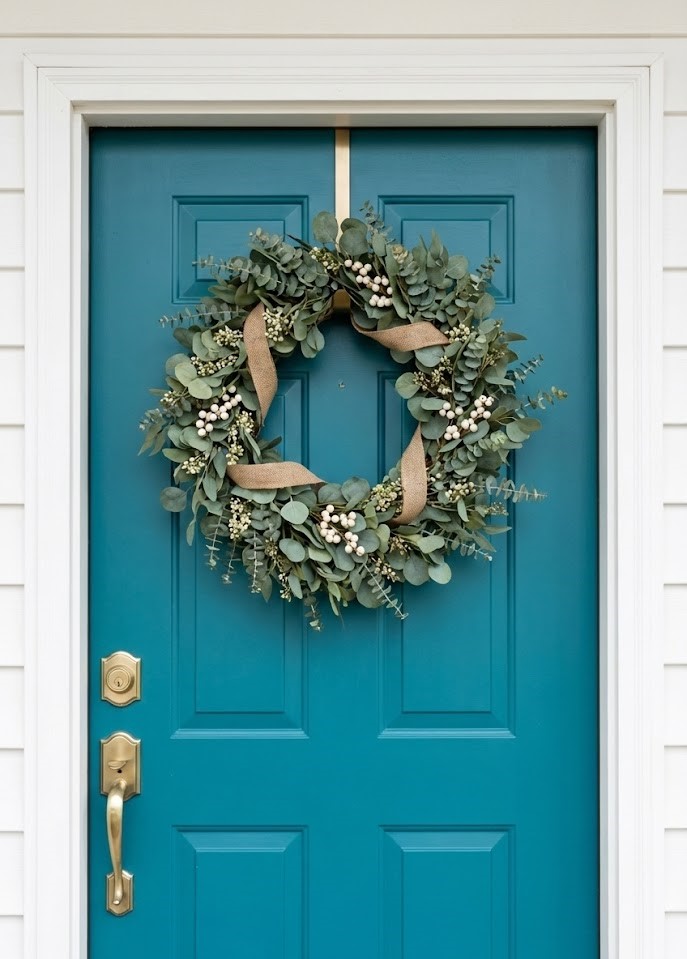
22. Seasonal Wreaths and Door Decor
Don't underestimate the power of the front door itself. It is the focal point of the focal point.
The Quick Fix:
Paint: Paint your door a bold accent color. If your house is gray, try a yellow door. If your house is white, try a high-gloss black or navy.
The Wreath: Keep a wreath on the door year-round, not just at Christmas. Use preserved boxwood for a classic look, dried wildflowers for autumn, or a lemon leaf wreath for summer. It adds texture and life at eye level.
Conclusion
Transforming your front yard doesn't require a degree in horticulture; it just requires a plan and a bit of patience. By incorporating elements like proper lighting, defined pathways, and a mix of native plants, you create a space that is both beautiful to look at and easy to maintain.
My advice? Start small. Choose just one of these 23 ideas—perhaps painting the front door this weekend or installing a few solar pathway lights. Watch how quickly that small change shifts the energy of your home. Your front yard is the handshake of your home; make it a firm, friendly, and memorable one!
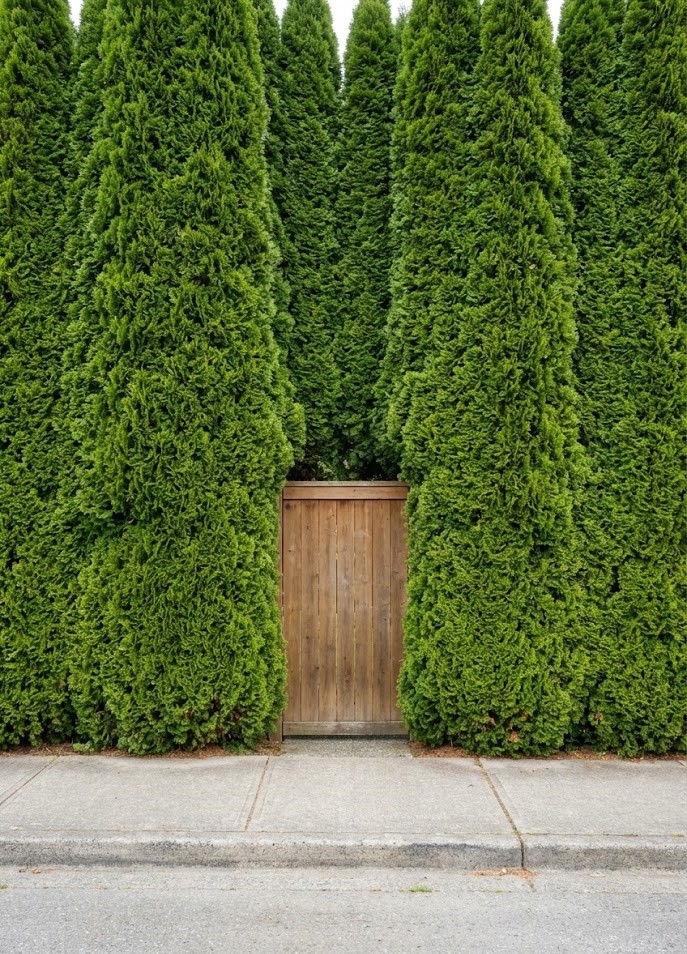
23. Privacy Hedges (The "Soft Fence")
If you live on a busy street, you might crave privacy. However, a tall wooden fence in the front yard can look hostile or fortress-like.
The Biological Alternative: Plant a "living wall" using hedging plants.
The Plants: Arborvitae 'Emerald Green' or Hicks Yew.
The Maintenance: Clip them into a formal rectangular shape for a modern look, or let them grow naturally for a cottage feel.
This provides a sound buffer and visual privacy while keeping the neighborhood view green and inviting.