Blending Drama and Warmth: 15 Black and Wood Kitchen Concepts for 2026
For years, the design world cautioned that black kitchens would feel like "caves" or "dungeons." However, as we head into 2026, we’ve discovered that the secret to a moody, sophisticated kitchen isn't avoiding the dark—it’s balancing it with the organic warmth of wood. The pairing of black and wood hits that rare "sweet spot" where high-end drama meets homey comfort. Whether you are planning a full renovation or just looking to update your hardware and stools, these 15 ideas demonstrate why this duo remains the ultimate power couple in interior design.
DINING & KITCHEN
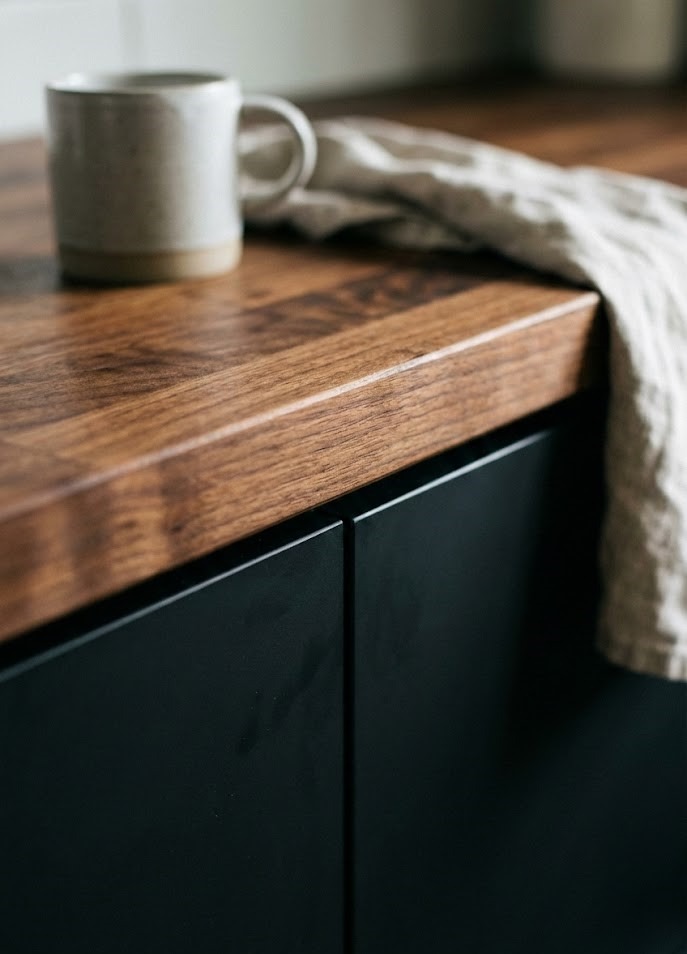
1. Tactile Matte Black Cabinets with Warm Wood Countertops
The rise of "sense-scaping" in 2026 prioritizes how materials feel. Matte black cabinetry absorbs light, creating a velvet-like, intimate atmosphere. When topped with a butcher block or walnut countertop, the kitchen instantly transforms into a tactile, inviting space.
Design Tip: Wood countertops require maintenance, but a quick oiling every few months keeps them looking brand new and resilient against the daily hustle.
Categories
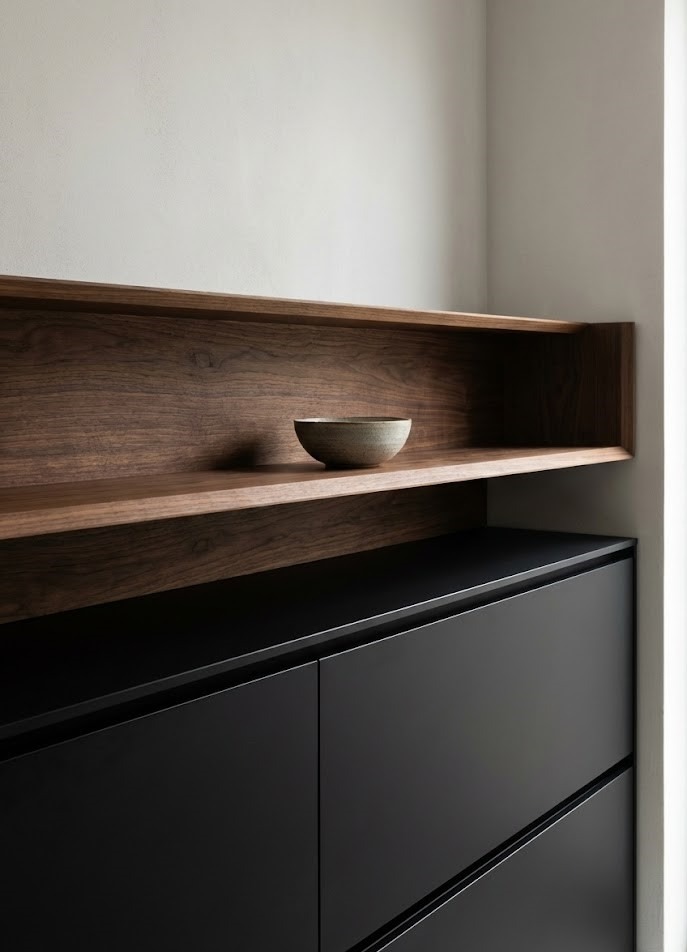
2. Minimalist Walnut and Black Architecture
Walnut is the "luxury" wood of 2026. Its deep chocolate tones paired with black create a meditative, Zen-like environment. This look relies on clean lines and negative space. Think handle-free cabinets and a single, long walnut shelf. It’s about letting the raw beauty of the wood grain do the talking while the black handles the heavy lifting in the drama department.
3. The "Scandi-Noir" Aesthetic: Black and Light Woods
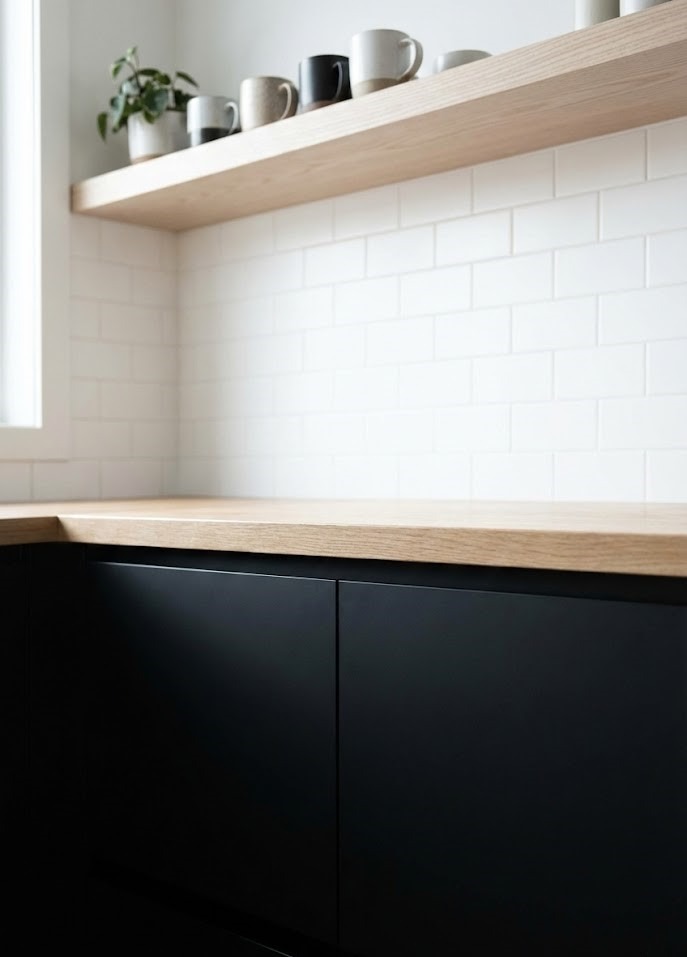
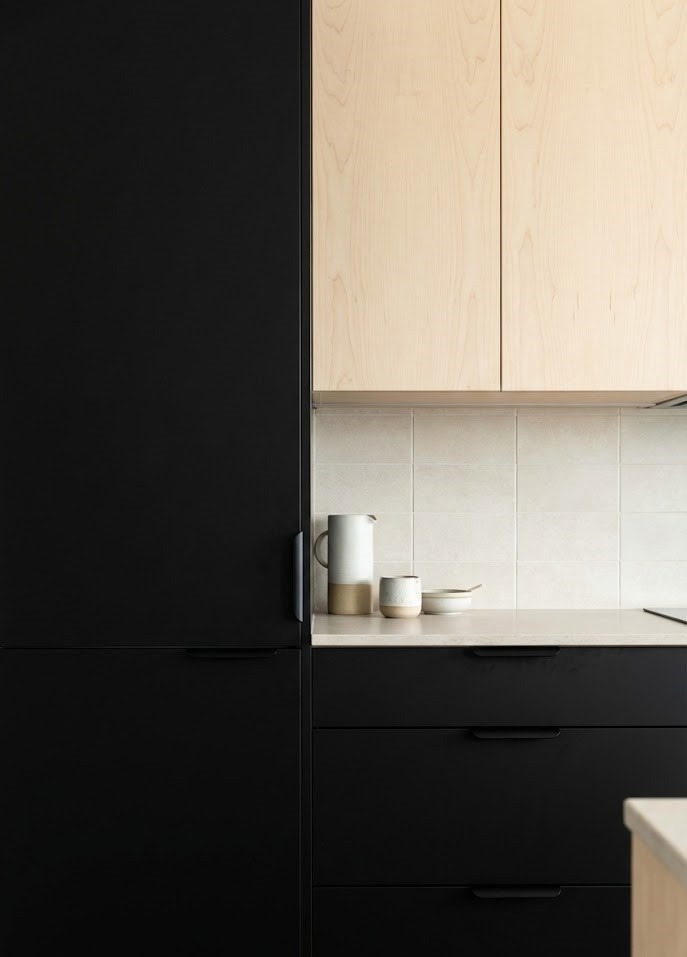
Scandinavian design is evolving. While the "all-white" look is a classic, the 2026 trend is "Scandi-Noir"—mixing black base cabinets with light woods like ash, birch, or light oak. This keeps the kitchen feeling airy and bright while adding a sophisticated edge that traditional Nordic styles sometimes lack.
4. Character-Rich Reclaimed Wood and Matte Black
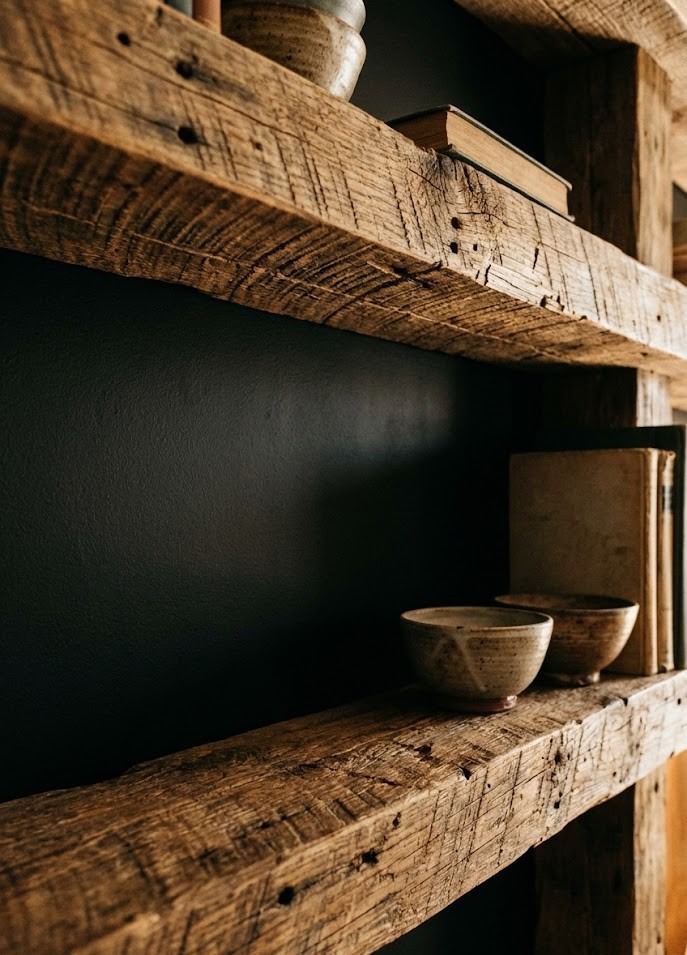
Sustainability is no longer a buzzword; it’s a design standard. Using reclaimed wood for floating shelves or accents against a black backdrop adds an authentic, weathered texture that new lumber can’t replicate. Every saw mark and nail hole tells a story, making your kitchen feel unique and grounded.
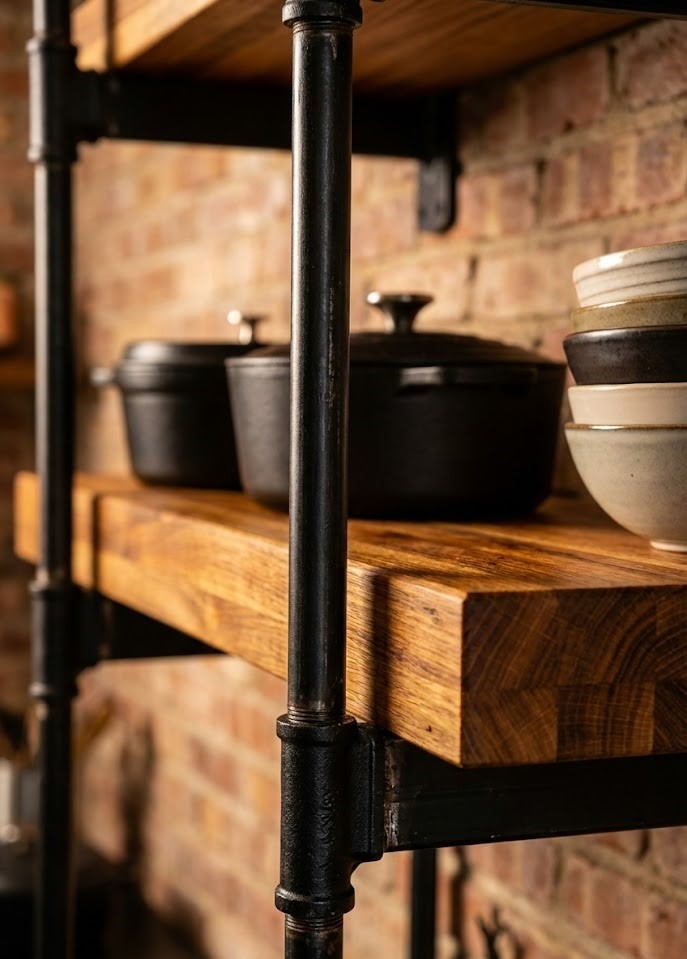
9. Urban Industrial: Black Metal and Wood
The industrial look is being softened this year. For every black metal or wire element, designers are adding a "warming agent" in the form of thick wood. Imagine black metal frames paired with thick butcher block surfaces—it looks like a kitchen that means business but still invites you to stay for a meal.
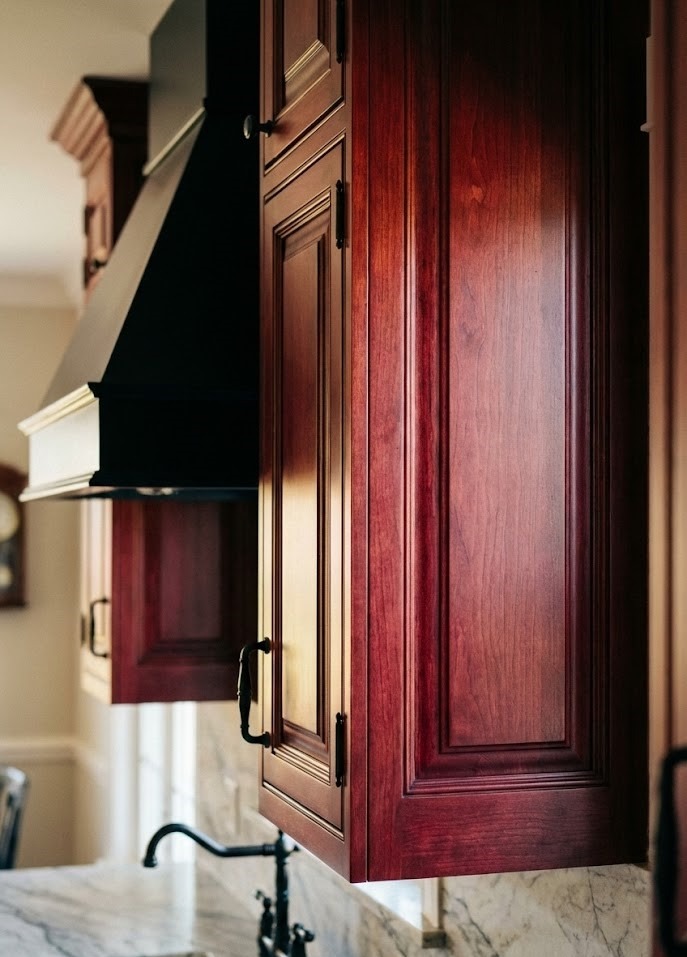
10. Heritage Elegance: Cherry Wood and Deep Black
Cherry wood is making a comeback for those who love "old-world" elegance. Cherry wood has a reddish patina that deepens into a rich burgundy over time. When paired with black, it creates a "power couple" aesthetic that feels timeless rather than trendy. It’s a great choice for homeowners looking for long-term value and character.
6. The Statement Black Island with Wood Seating
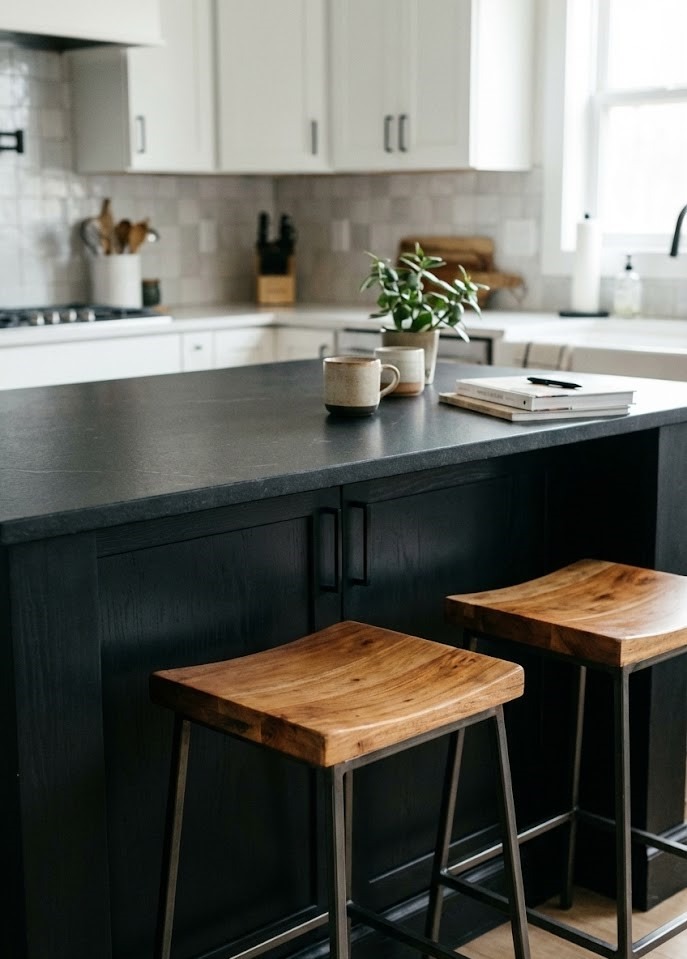
An island is the perfect way to test the waters of this trend. A black kitchen island acts as a central anchor in a lighter kitchen. To tie it together, use wooden bar stools. The black surface hides the "mess" of food prep, while the wood stools make the island feel approachable for morning coffee or evening homework.
7. Two-Tone Layering with Maple and Black
Why choose one finish when you can have both? A two-tone approach—typically black lower cabinets and light maple uppers—adds layers and dimension. Maple is a clean, creamy wood that handles daily use well and prevents the kitchen from feeling vertically compressed.
8. Innovative Wooden Backsplashes
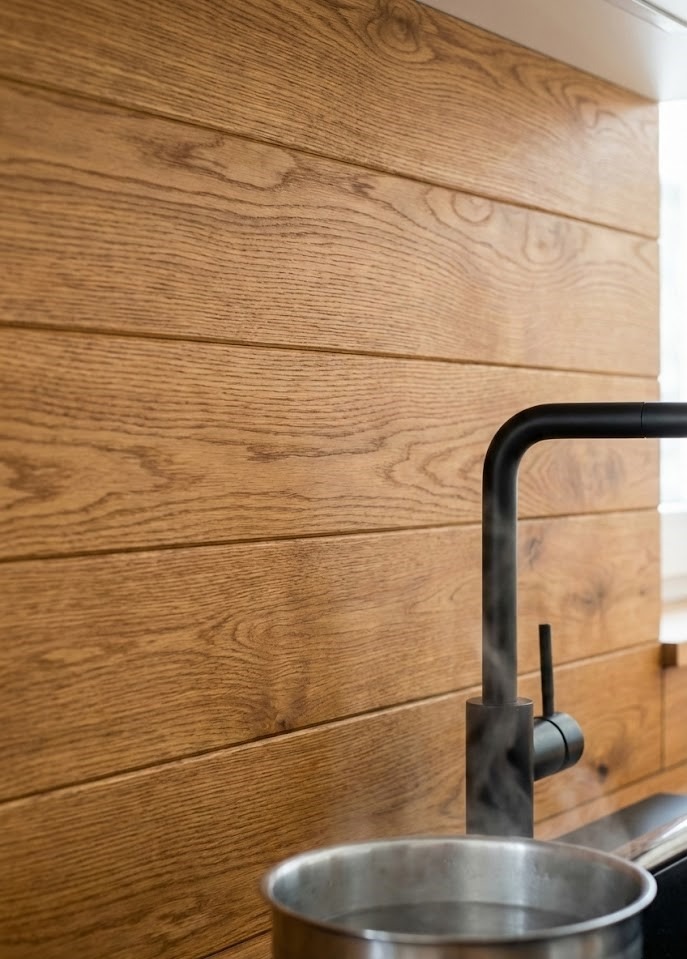
In 2026, we’re seeing a shift away from traditional tile. A horizontal wooden backsplash creates a stunning, unexpected focal point. Properly sealed hardwood can handle the steam and splashes of a kitchen while making the room feel wider and more spacious than a busy tile pattern would.
5. The Classic 70/30 Natural Oak Split
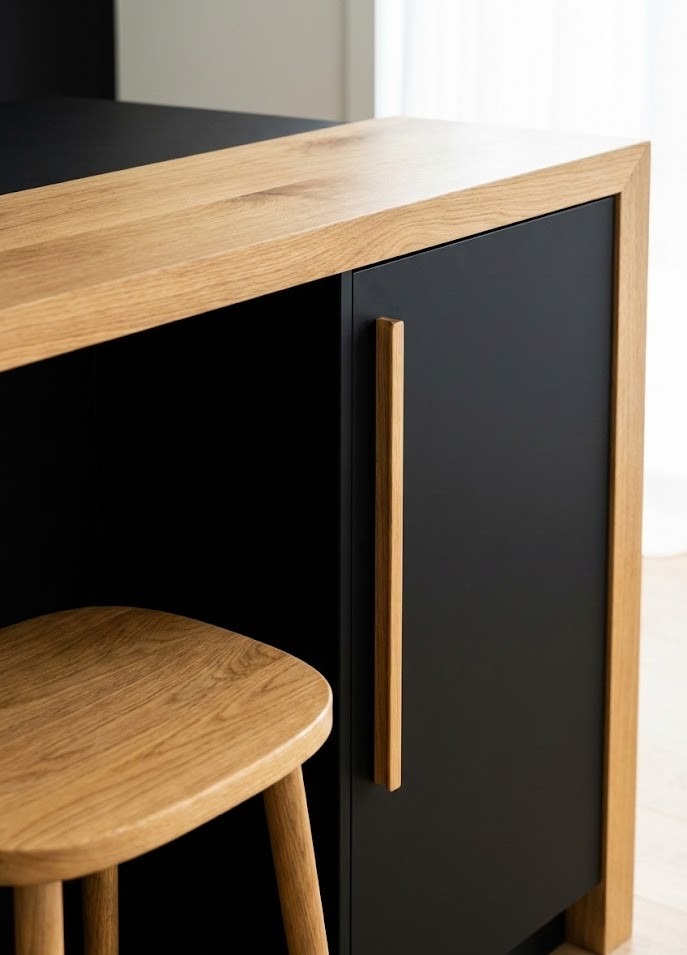
If you’re nervous about going too dark, follow the 70/30 rule: 70% black for drama and 30% natural oak for warmth. Use natural oak for handles, breakfast bars, or stool seats. The honeyed grain of the oak pops against the dark cabinetry, creating a modern look that feels unmistakably like "home."
15. Grounding the Space with Wood Flooring
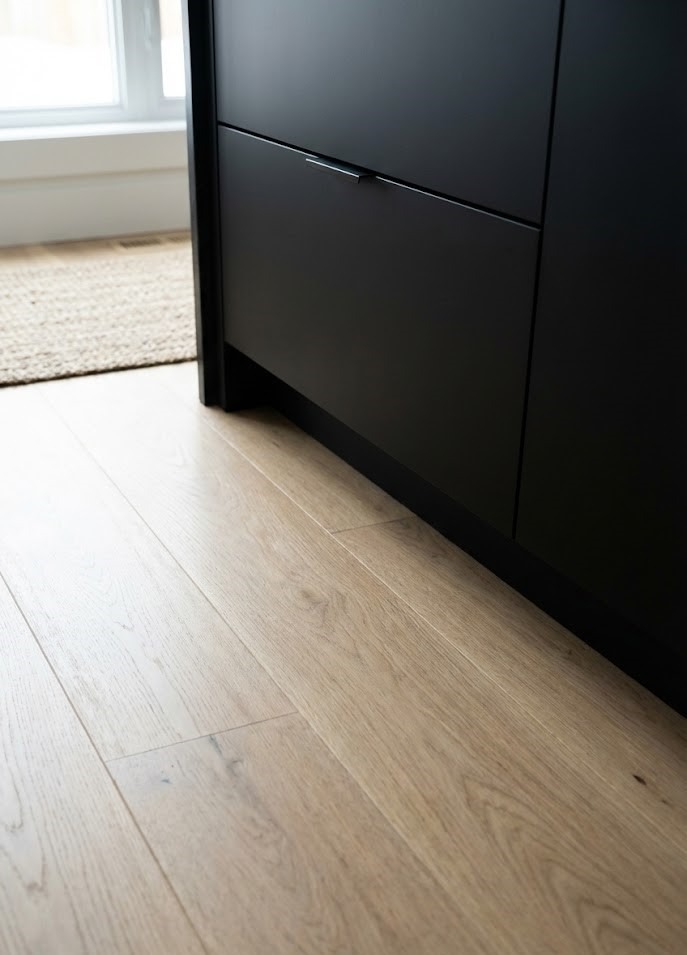
Finally, don't forget the floor. Black cabinets paired with soft wood floors (like hickory or white oak) create a cozy, "enveloping" vibe. The warmth underfoot balances the drama at eye level, ensuring the kitchen feels like a sanctuary rather than a showroom.
Conclusion
The magic of a black and wood kitchen lies in balance. Too much black can feel heavy, while too much wood can feel dated. However, when you mix these elements—whether through a bold island, floating shelves, or a mix of cabinet finishes—you create a space that is both visually striking and emotionally warm. As we move into 2026, these combinations offer a sophisticated way to reclaim your kitchen as the heart of the home.
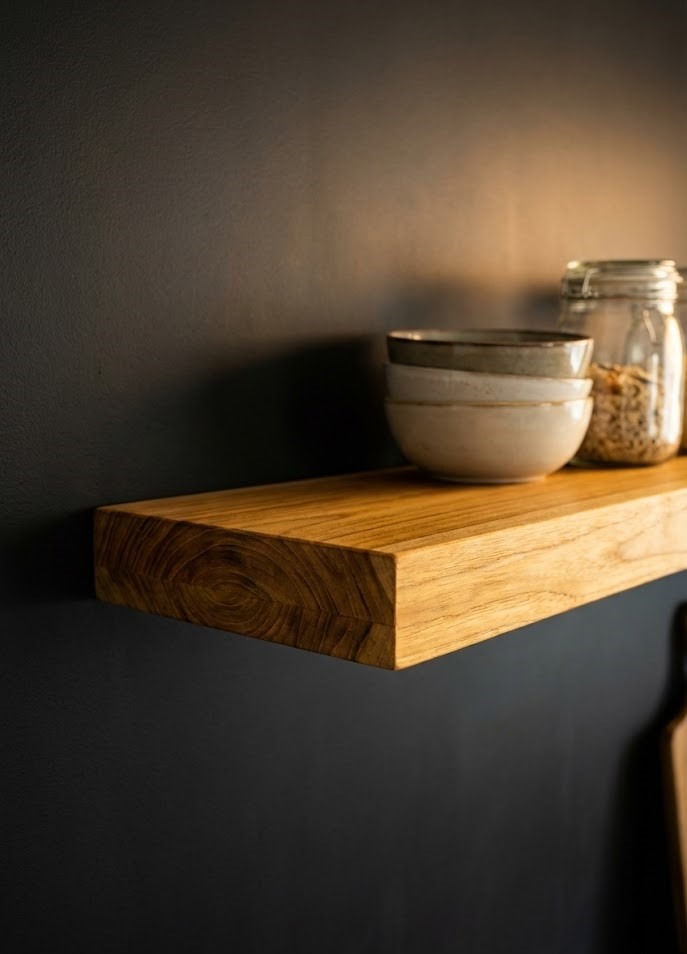
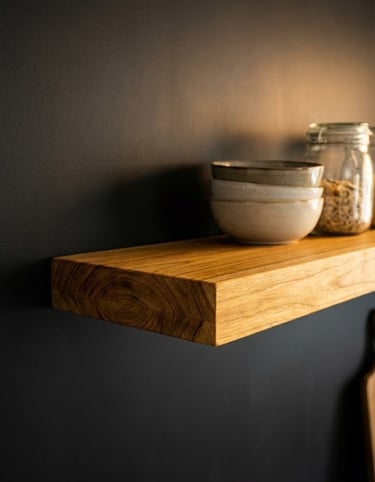
11. Durable Teak Shelving Against Dark Walls
Teak is naturally water-resistant, making it a functional and beautiful choice for open shelving. Its golden honey tones are a perfect match for black walls. Because teak is so resilient, you don't have to worry about the warping or staining that can sometimes plague other wood species in a high-moisture environment.
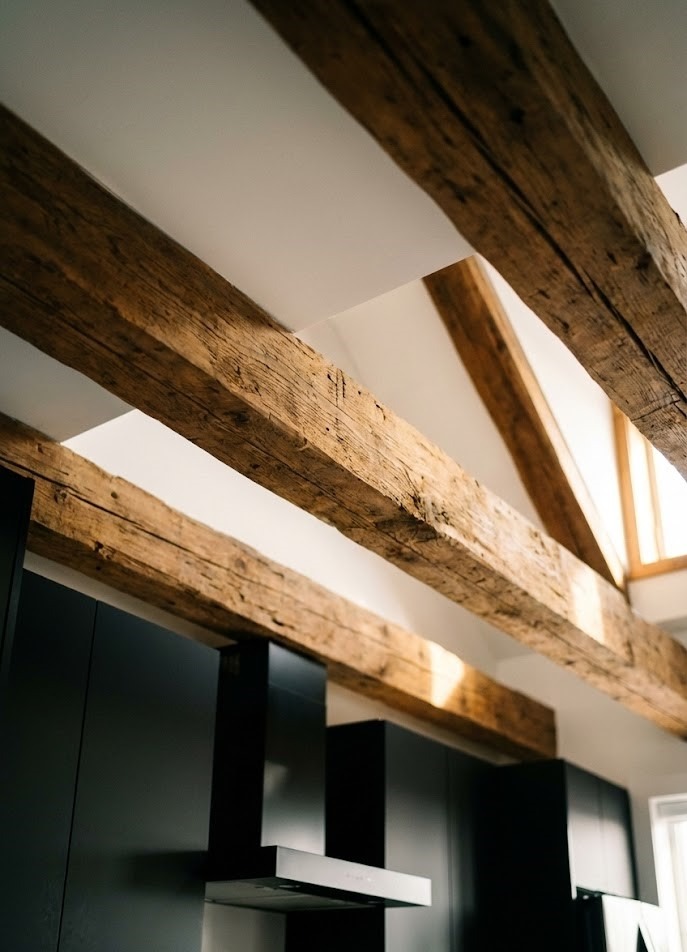
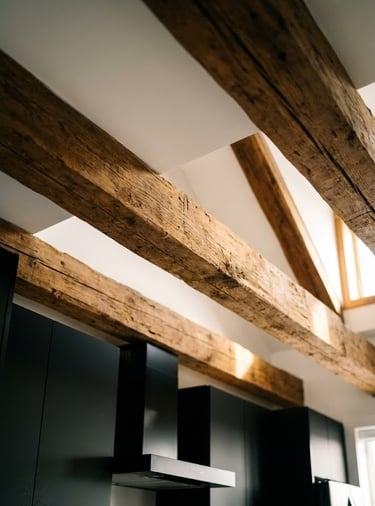
12. Architectural Drama with Ceiling Beams
If your kitchen has the height, wooden ceiling beams are a game-changer. They draw the eye upward and add a sense of scale. Against a white ceiling with black cabinets below, the beams act as the "bread" in a high-contrast design sandwich, making the space feel architecturally significant.
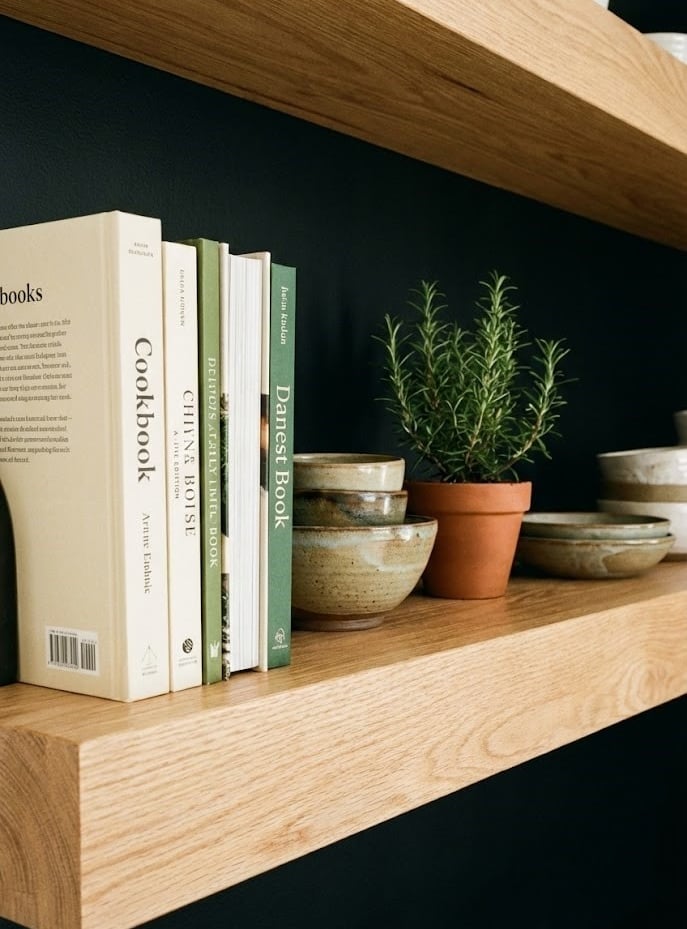

13. Practical Floating Shelves for Display
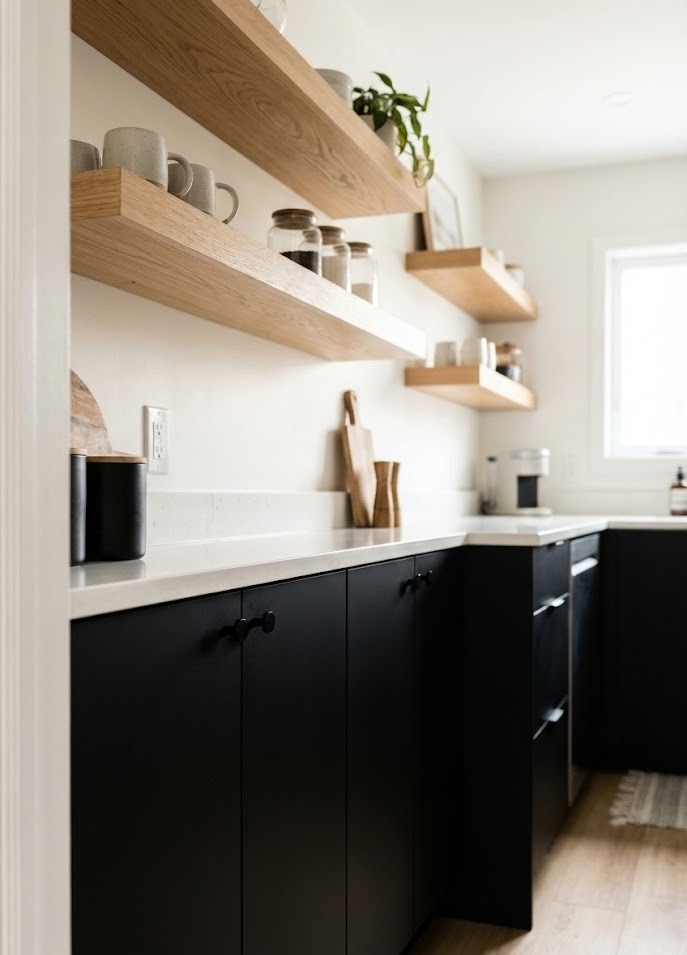
Sometimes, the best update is the simplest. Adding wooden floating shelves to an existing black kitchen breaks up the "wall of color." It provides a stage for your personality—showcase your cookbooks, your favorite ceramics, or a few potted herbs to add a touch of life to the dark palette.
14. Strategic Small Kitchen Layouts
In compact spaces, black can be used strategically to create depth. By using black on lower cabinets and keeping the "eye-level" area light with wood shelving, you ground the room without making it feel cramped. This creates a "receding" visual effect that can actually make a small hallway kitchen feel wider.