"Old Money" Aesthetic: 22 Ralph Lauren Inspired Living Rooms That Scream Quiet Luxury
Love the 'Old Money' aesthetic? I’ve curated 22 Ralph Lauren-inspired living room ideas that scream quiet luxury. From classic Chesterfield sofas to the art of layering rugs, discover how to achieve timeless elegance on any budget.
LIVING ROOM
Ralph Lauren is not merely a fashion brand; it is a meticulously curated universe. It creates a visual definition of the "Old Money" aesthetic—a look that effortlessly balances rugged Americana with the refined elegance of an English country manor. It is a world where cowboy boots meet crystal decanters, and where worn leather feels more luxurious than pristine velvet.
Many homeowners make the mistake of assuming this look requires a millionaire's bank account. In reality, the Ralph Lauren vibe is about layering, texture, and a deep respect for heritage. It is about the confidence to mix the pristine with the weathered, and the masculine with the feminine. It rejects the "fast furniture" culture in favor of pieces that tell a story.
Whether you are drawn to the snow-capped aesthetic of his Alpine lodges, the breezy elegance of his Jamaican villas, or the mahogany-rich depth of his Manhattan penthouses, the core design principles remain the same. Here are 22 concrete, actionable ways to infuse your living room with that iconic, timeless sophistication.
1. The Classic Chesterfield Sofa
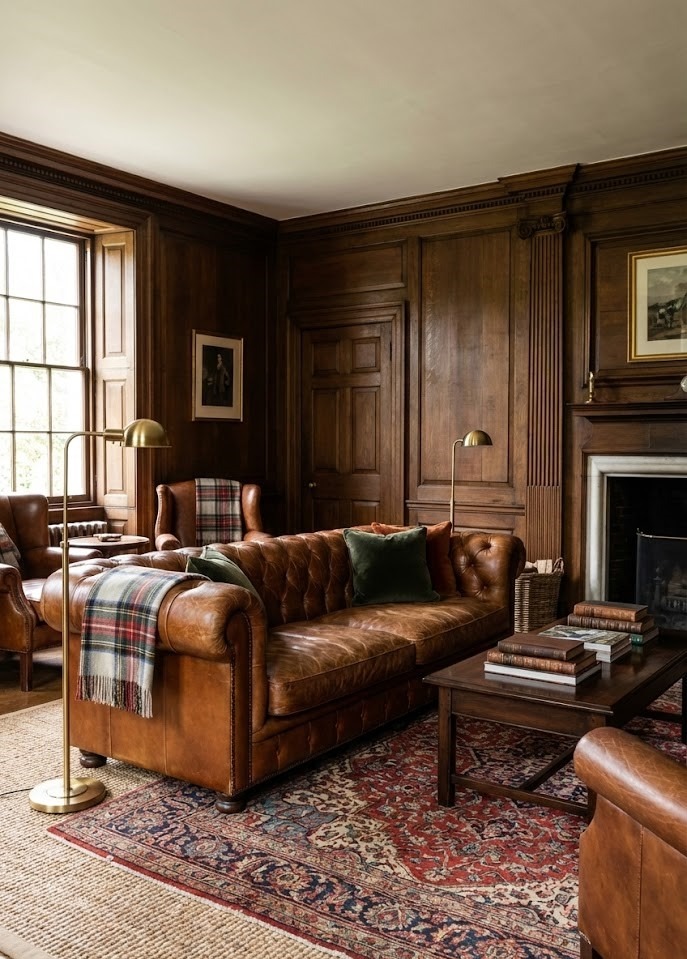
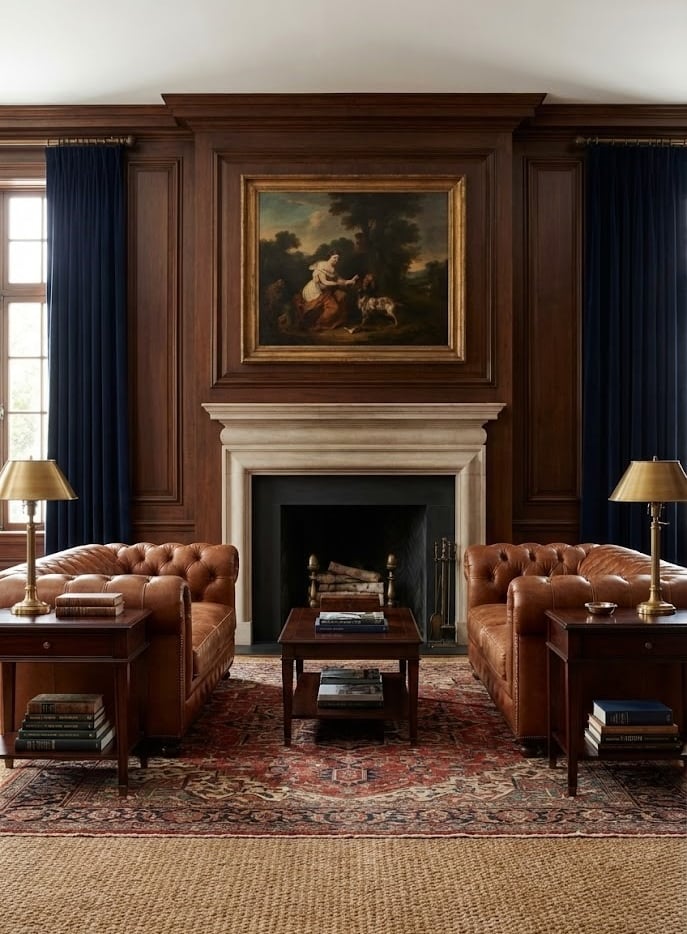
The anchor of any Ralph Lauren-inspired room is often a deep-tufted leather Chesterfield sofa. It is the quintessential "gentleman’s club" piece that defies trends. Unlike modern sofas that sag and look tired after a few years, a high-quality Chesterfield is designed to look better as it ages.
Why It Works: The deep button tufting and rolled arms provide architectural shape to a room. It creates a silhouette that is distinct even in dim lighting.
The Look: Aim for top-grain leather in shades of Cognac, Whiskey, or rich Oxblood. If leather feels too cold, a deep navy or hunter green velvet is a perfectly acceptable, lush alternative.
Styling Tip: Don't fear scratches or wear. In this aesthetic, "patina" is more valuable than perfection. A scratch on a leather sofa tells a story. To soften the look, drape a cable-knit wool throw over the back to break up the expanse of leather.
Categories
2. Layering Rugs (The "Persian on Jute" Trick)
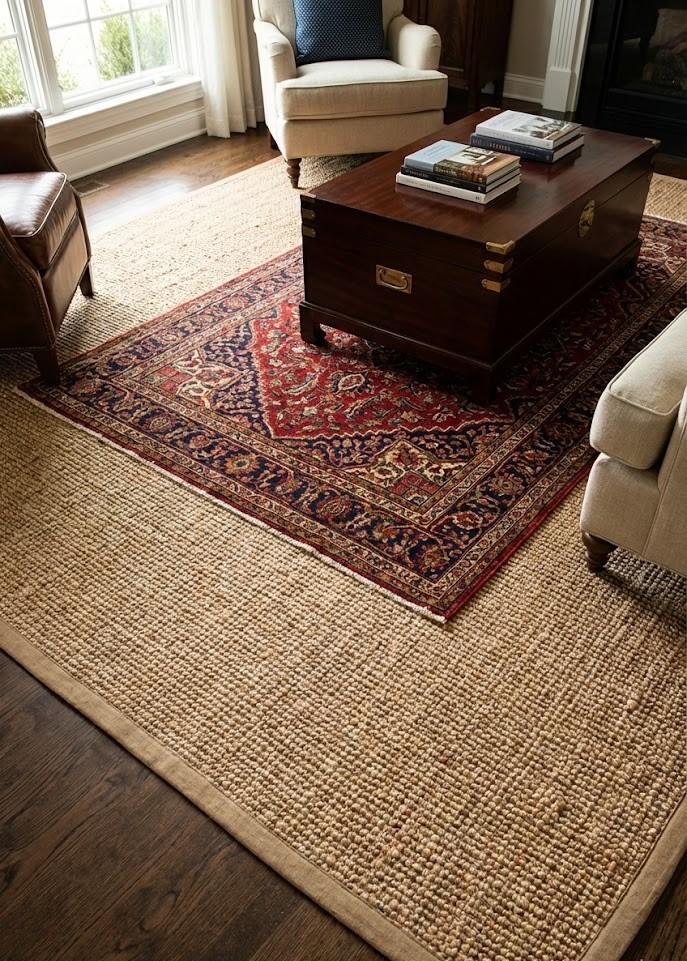
One rug is never enough in a home that embraces the "more is more" philosophy of cozy maximalism. To achieve that collected look, you need to master the art of the double layer.
The Strategy: Start with a large, natural fiber rug (like sisal, jute, or seagrass) to cover the majority of the floor. This provides an earthy, textural base. Then, layer a smaller, vintage Persian, Oriental, or Oushak rug on top.
Why It Works: The natural fiber adds casual warmth and durability, while the patterned wool rug adds color, history, and softness underfoot. It creates a visual frame that centers the furniture.
Practical Tip: Size matters. Ensure the bottom rug leaves about 12-18 inches of floor visible around the perimeter of the room. The top rug should be anchored by at least the front legs of your furniture pieces to prevent it from looking like a floating island.
3. The Equestrian Narrative
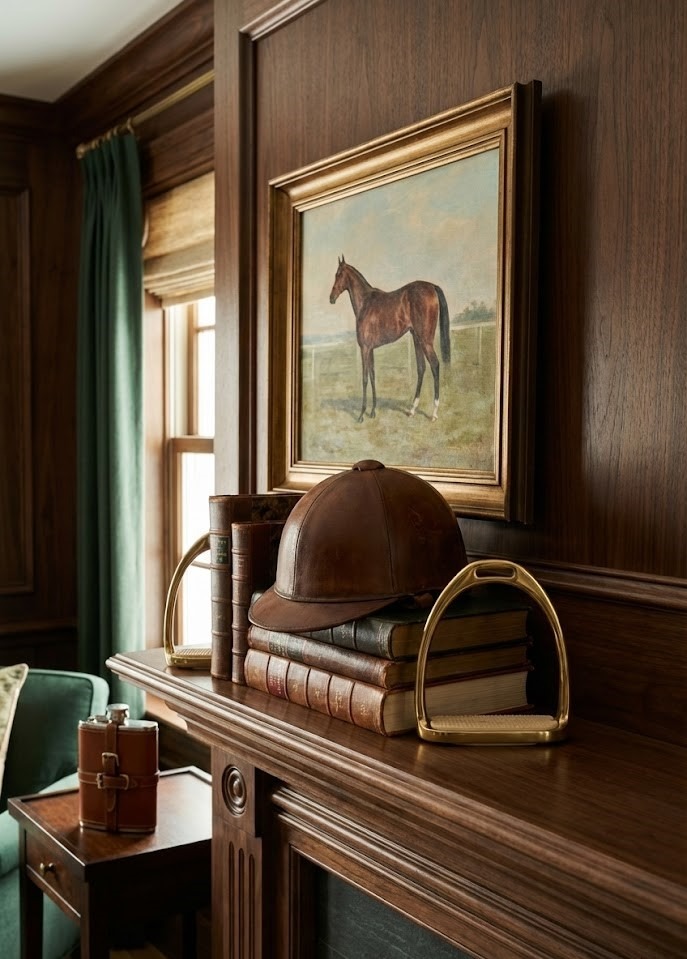
Ralph Lauren is synonymous with equestrian style—the Polo Pony is iconic for a reason. Incorporate subtle nods to horse riding without turning your room into a literal stable theme park.
Design Elements: Think abstractly. Use brass stirrups as bookends, a vintage leather riding helmet placed casually on a shelf, or framed oil paintings of racehorses.
Material Mix: Look for accent furniture that features leather strapping, buckle details, or saddle-stitching. These details evoke the craftsmanship of bridles and saddles.
What to Avoid: Stay away from cartoonish horse motifs or cheap "western" signs. The goal is a subtle nod to the countryside aristocracy, not a cowboy costume party.
4. Tartan Plaid Overload
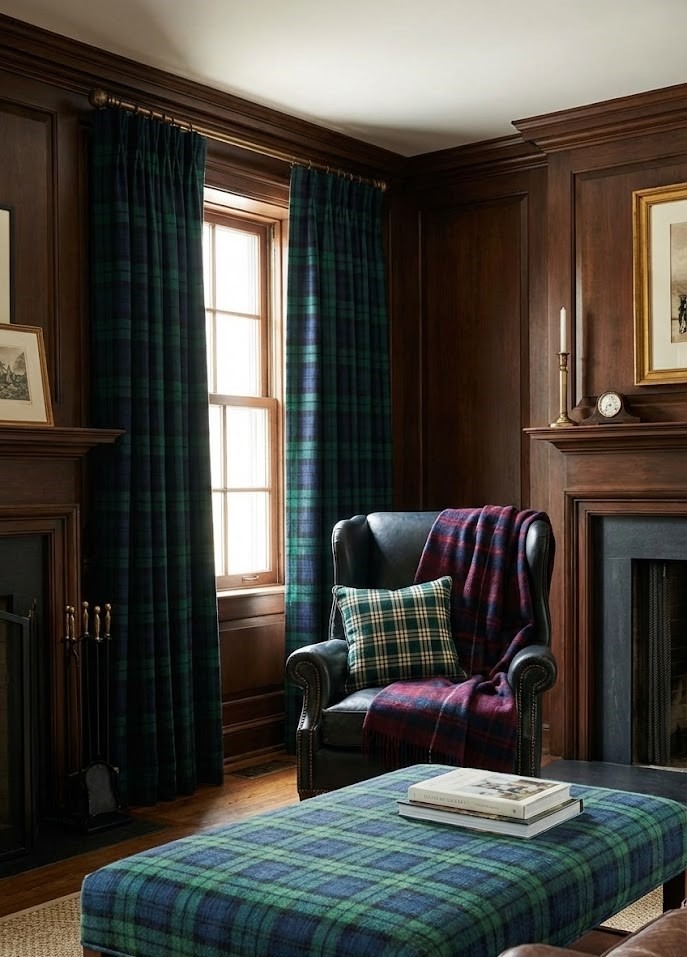
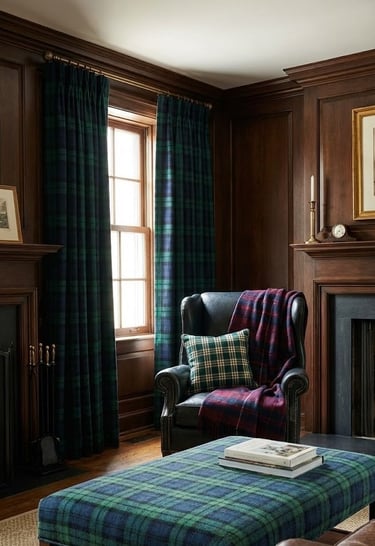
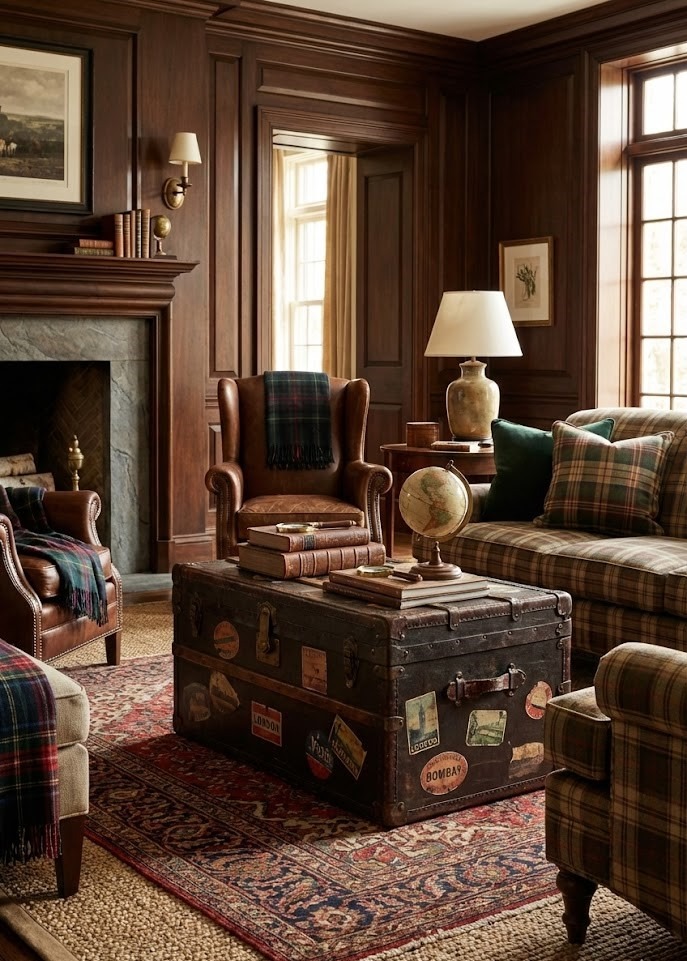
Plaid isn't just for the holidays. In the Ralph Lauren design language, tartan is treated as a neutral. It brings an immediate sense of warmth, history, and academic charm.
How to Mix: Don't be afraid to mix different scales of plaid. You can have a large-scale windowpane check on the curtains, a tight Black Watch tartan on a throw pillow, and a plaid wool blanket draped over a chair.
Color Theory: To prevent the room from looking chaotic, stick to a cohesive color family. Hunter greens, navy blues, deep reds, and mustards work beautifully together.
Fabric Choice: Focus on wool, flannel, and cashmere textures. Printed cotton plaids can sometimes look cheap; woven textures always look expensive.
9. Blue and White Porcelain (Chinoiserie)
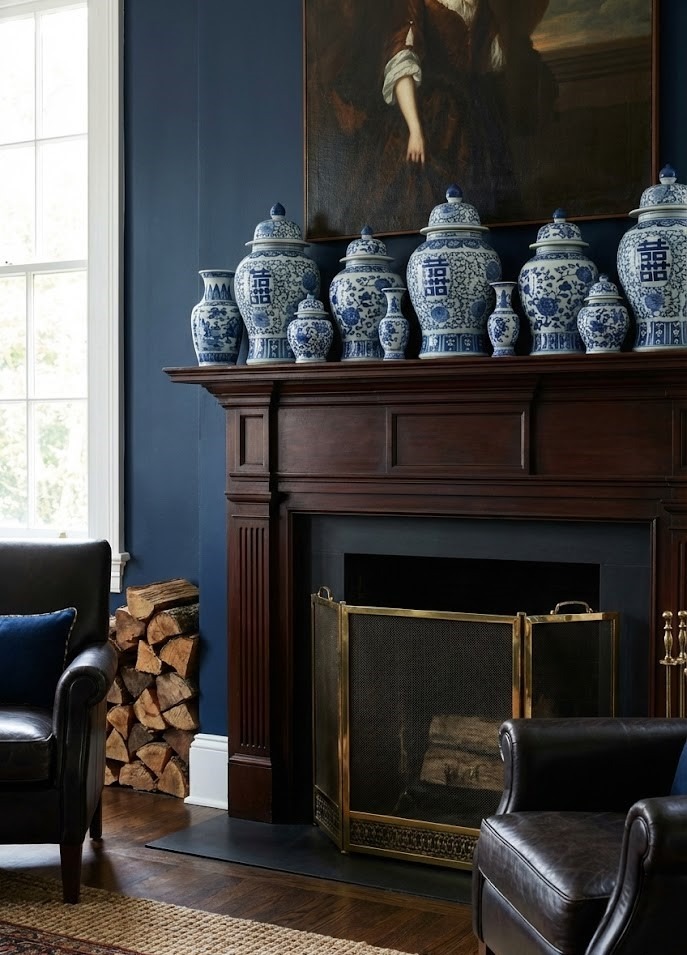
For a lighter, "Hamptons" or "Jamaica" coastal vibe, display a collection of blue and white ginger jars, temple jars, or porcelain vases.
History: This classic pairing has existed for centuries, symbolizing the trade routes between the East and the West. It is a staple in high-society decorating.
Why It Works: The crisp white and deep cobalt blue offer a fresh, sharp contrast to dark woods and warm leathers. It brightens up moody corners.
Display Tip: Mass them together for impact. A single jar looks lonely; a group of three or five on a mantelpiece or filling a large bowl with ceramic orbs creates a "collection."
10. The Curated Bar Cart
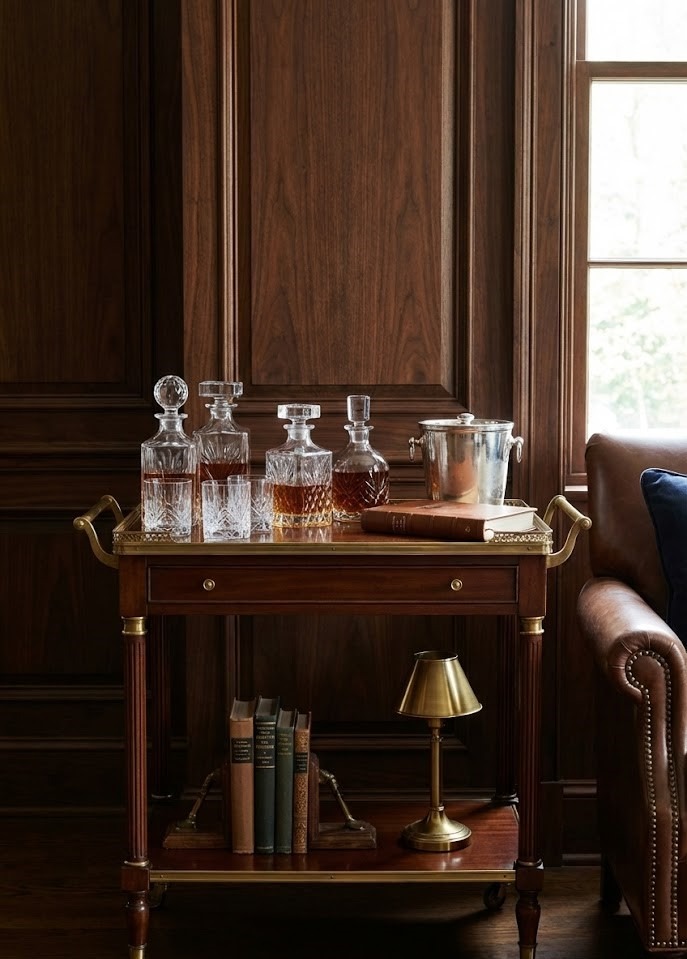
Hospitality is central to the Old Money aesthetic. A home should always appear ready to receive a guest. A well-stocked bar cart or a tray on a sideboard is the visual representation of this hospitality.
The Equipment: You don't need expensive liquor, but you do need beautiful vessels. Transfer spirits into cut-glass or crystal decanters for a uniform, sparkling look.
Why It Works: Crystal catches the light, adding a literal sparkle to the room. It suggests a lifestyle of leisure and conversation.
Accessories: Add a silver ice bucket, a pair of crystal tumblers, and perhaps a small bowl of fresh lemons or limes to complete the tableau.
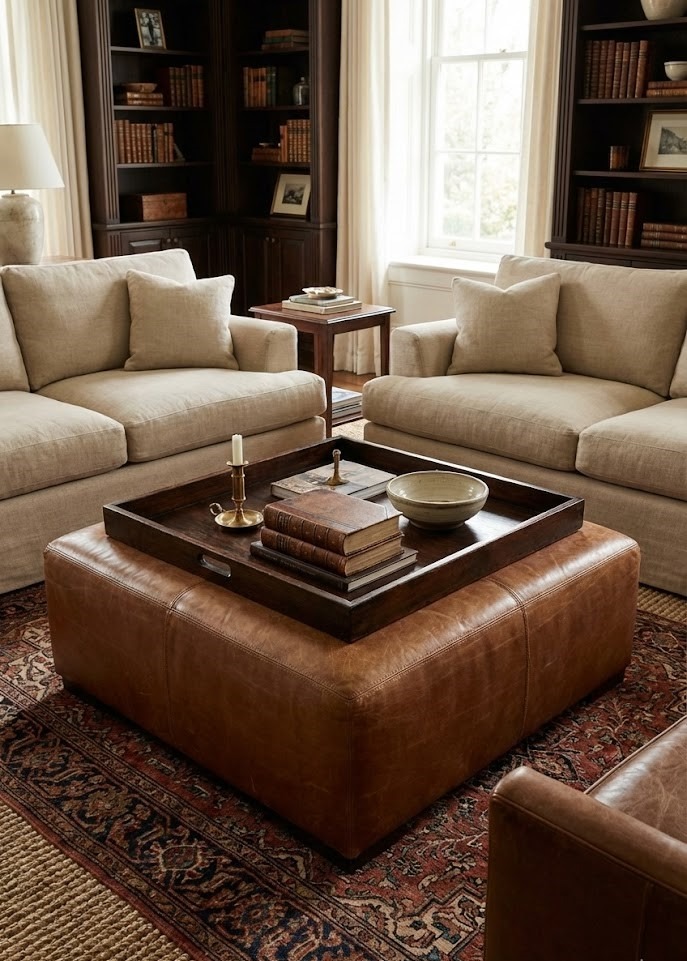
6. The Oversized Ottoman Coffee Table
Swap out the hard wooden coffee table for a massive, upholstered ottoman. This is a signature move in "quiet luxury" interiors because it prioritizes comfort over rigidity.
Materials: Cover it in a kilim rug fabric, worn leather, or a heavy velvet.
Why It Works: It softens the center of the room and invites people to put their feet up, bridging the gap between formal elegance and casual living. It makes the room feel "lived in."
Styling Advice: An ottoman surface is soft, so you need a stabilizer. Place a large wooden, silver, or lacquer tray on top to provide a flat surface for drinks, candles, and florals.
7. Symmetry is King
This design style relies heavily on traditional symmetry, drawing from Georgian and Federal architectural principles. Symmetry provides a psychological sense of order and calm.
The Layout: If you have a fireplace, place identical sofas facing each other (perpendicular to the hearth). If you have a console table, place matching lamps on either end and a mirror in the center.
Why It Works: The human eye interprets symmetry as "formal elegance." It takes the guesswork out of layout and instantly makes a room feel curated and high-end.
Quick Fix: Even if you have mismatched furniture, you can create symmetry with accessories. Matching pairs of side tables, lamps, or artwork flanking a central point can achieve the effect.
8. Southwestern & Navajo Textiles
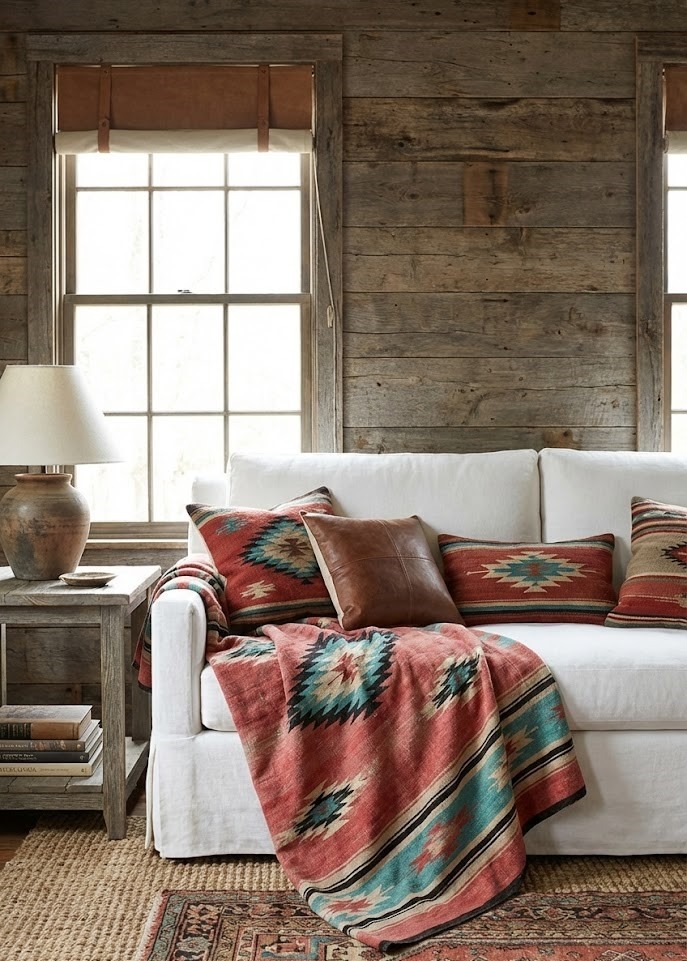
Channel the "Double RL" ranch vibe by incorporating Southwestern patterns. This is the American West counterpoint to the English Manor aesthetic, and mixing the two is pure Ralph Lauren genius.
The Contrast: A Navajo-style blanket with geometric weaving looks incredible thrown over the back of a pristine white linen sofa or a dark leather chair.
Why It Works: It introduces an element of rugged American history and craftsmanship that prevents the room from feeling too stuffy, European, or pretentious.
Color Palette: Look for faded reds, turquoises, terracottas, and blacks. Authentic vintage textiles are best, but high-quality wool reproductions can also capture the spirit.
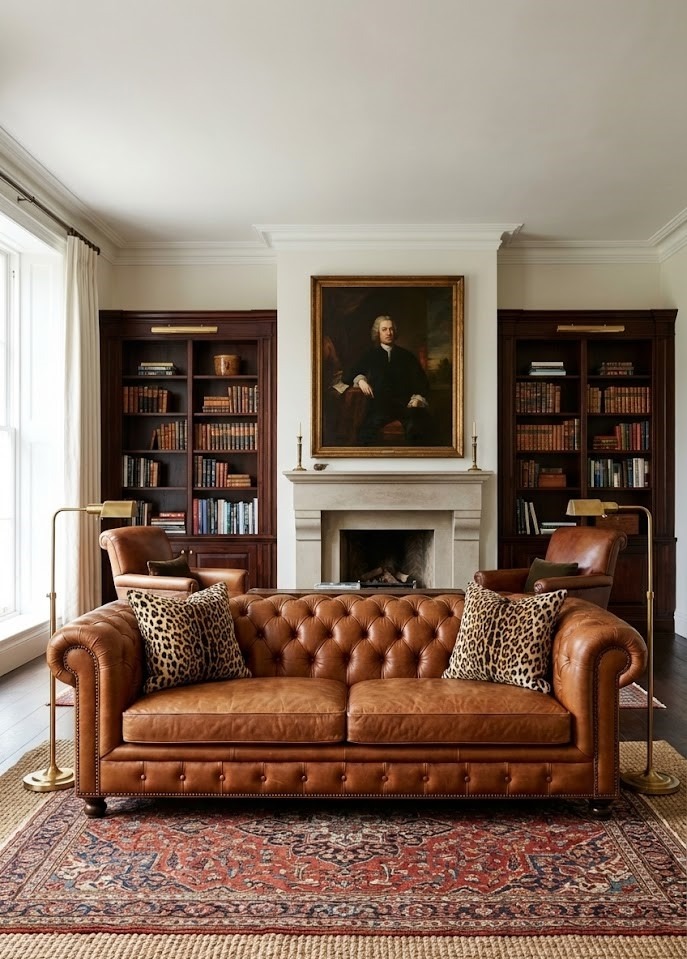
5. Dark and Moody Walls
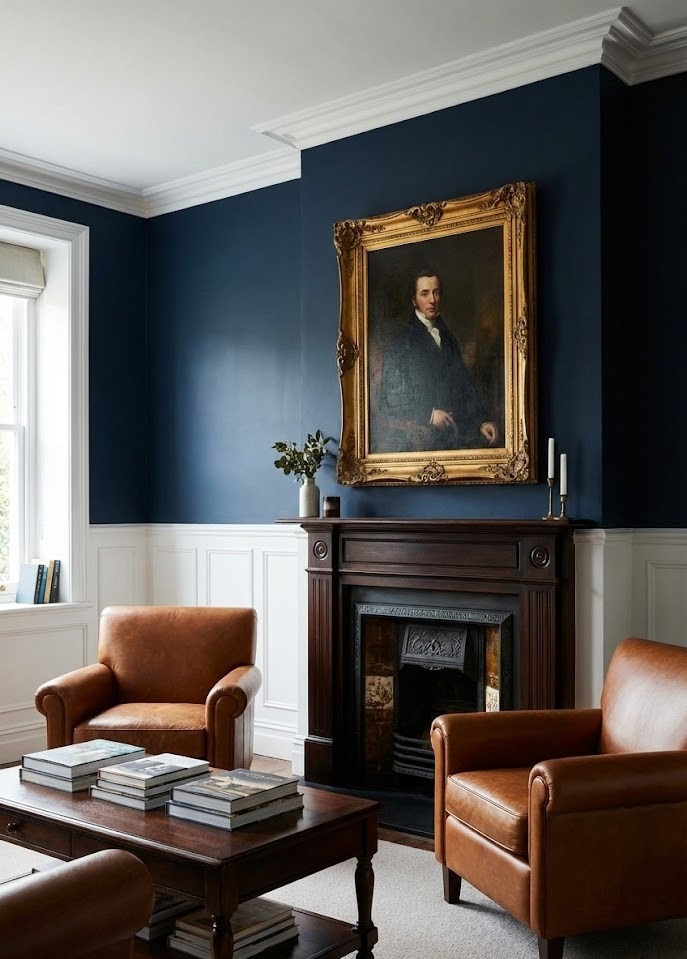
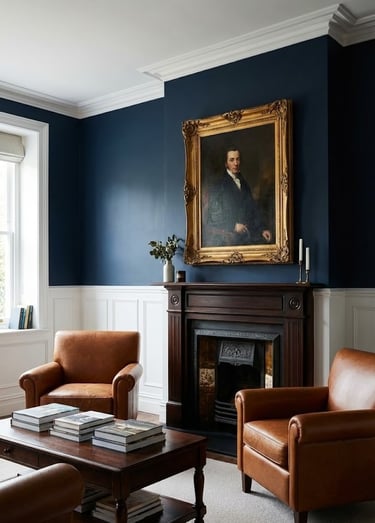
While white walls are safe and Scandi-chic, RL interiors often embrace the drama of darkness. Painting a room a dark color envelops the space, making it feel like a cozy cocoon.
The Palette: Consider "Hale Navy" (Benjamin Moore), "Green Smoke" (Farrow & Ball), or a rich Charcoal or Chocolate Brown.
Why It Works: Dark walls blur the edges of the room, often making small spaces feel larger and more infinite. More importantly, they make gold frames, leather furniture, and books pop in high contrast.
Pro Tip: If painting the whole room feels too bold, apply this technique to a study, a powder room, or just the wainscoting and built-in bookshelves. A semi-gloss finish on dark paint adds a reflective quality that screams luxury.
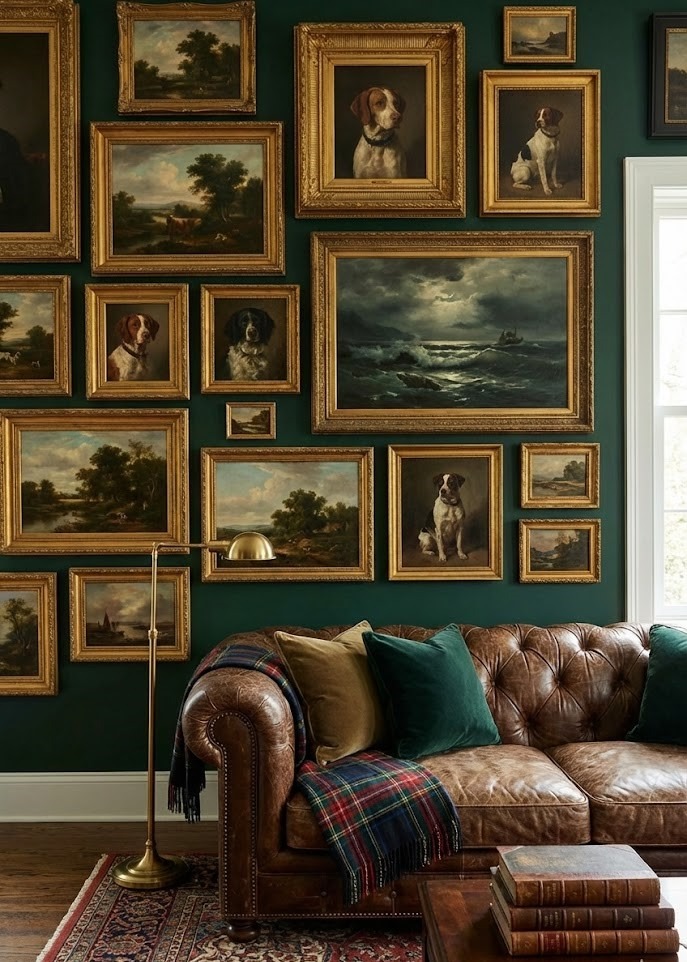
15. The Gallery Wall of Oil Paintings
You don't need real ancestors to have an "ancestor" wall. Collect vintage oil paintings from flea markets, estate sales, or auctions.
Subjects: Look for moody landscapes, seascapes, equestrian scenes, or portraits of dogs.
Why It Works: A wall filled with oil paintings gives the illusion that the home has a long lineage. It adds character that mass-produced prints simply cannot match.
Framing: Mix and match elaborate gold/gilt frames. The art doesn't need to match in style or color; the gold frames will tie the collection together into a cohesive gallery.
11. Mahogany and Dark Wood Tones
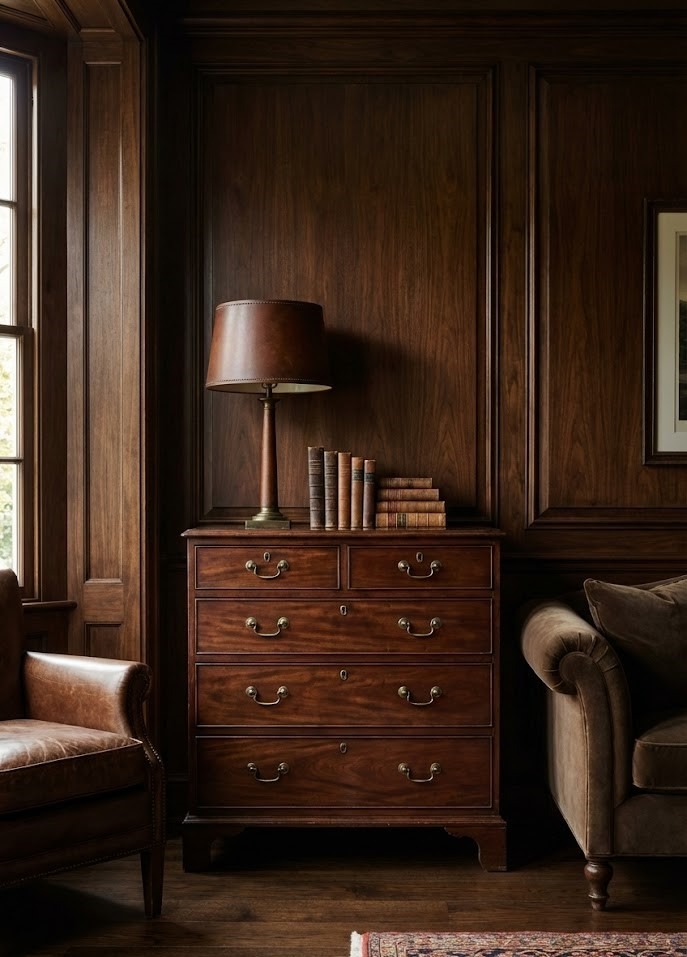
Avoid light, Scandinavian pine or bleached oak. The "Old Money" look demands dark, substantial woods like mahogany, walnut, cherry, or dark oak.
The Vibe: Dark wood feels grounded, historic, and permanent. It implies that the furniture has been passed down through generations.
Maintenance: These woods look best when well-nourished. Use beeswax polish to keep them glowing.
Styling Tip: Dark wood can feel heavy, so mix it with metallic accents. Antique side tables or chests with brass hardware add necessary warmth and reflection to the deep wood tones.
12. Animal Print Accents
It sounds wild, but leopard print is considered a neutral in the Ralph Lauren universe. The key is scale and restraint.
How to Use It: A pair of leopard print velvet throw pillows on a brown leather sofa, or a small X-bench ottoman in an antelope print.
Why It Works: It breaks up the seriousness of the plaids and leathers, adding a playful, worldly, and slightly exotic edge. It suggests travel and adventure.
The Rule: Keep it natural. The print should look realistic, not neon or stylized. Think "safari chic," not "nightclub."
13. The "Library" Lighting Scheme
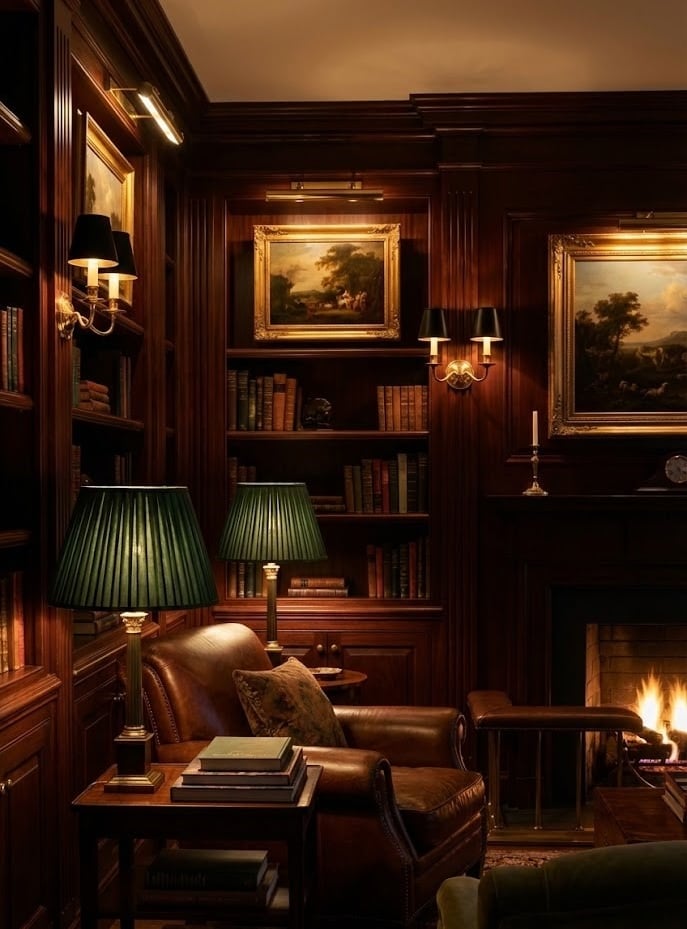
Nothing kills a mood faster than bright, overhead recessed lighting (often called "can lights"). To achieve the RL look, you must layer your lighting.
The Layers: Rely on lamps. Use brass library sconces on the walls, picture lights over your artwork, and table lamps with black or dark green shades.
Why It Works: Pools of light create intimacy and drama, highlighting textures and corners while leaving others in shadow. This creates mystery and coziness.
Tech Spec: Always use "Warm White" bulbs. Look for 2700K temperature. Anything cooler (3000K+) will look clinical and destroy the aesthetic.
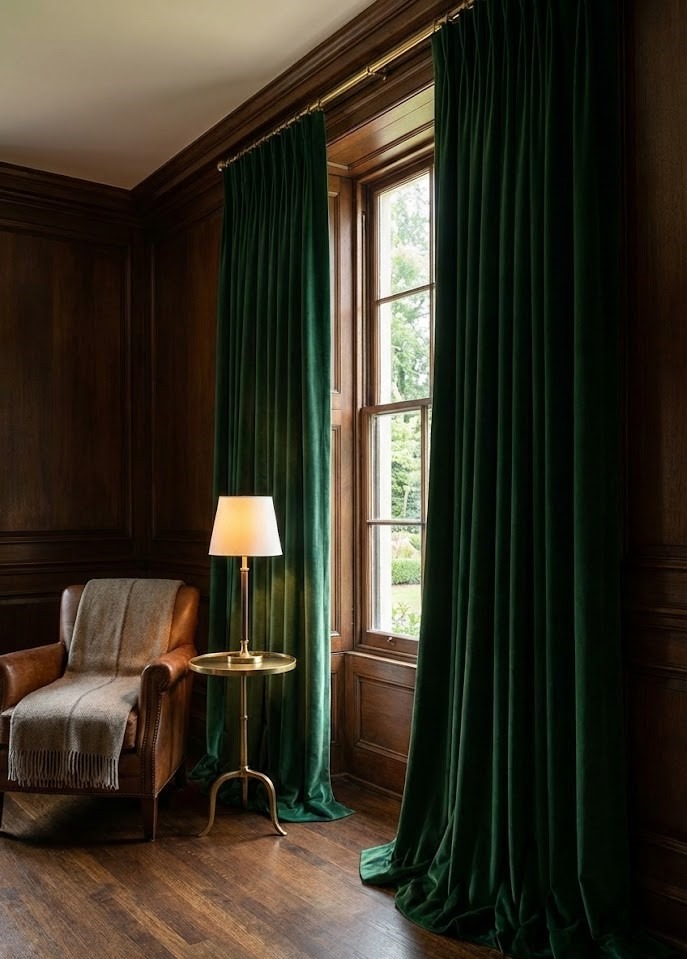
14. Velvet Drapery
Window treatments should be heavy, substantial, and functional. Avoid flimsy sheers. Opt for floor-to-ceiling velvet curtains in Navy, Bottle Green, Gold, or Burgundy.
Functionality: Heavy curtains improve acoustics by reducing echo and help insulate the room, blocking drafts. This makes the space feel safe and enclosed.
The "Puddle": For a look of decadent luxury, ensure the curtains are long enough to "puddle" slightly on the floor. Add 1-2 inches to the length so the fabric gathers at the bottom.
Hardware: Hang them on substantial brass or wooden rods with rings. The hardware is the jewelry of the window.
16. Steamer Trunk Tables
Use a vintage (or vintage-reproduction) steamer trunk as a side table, a coffee table, or placed at the foot of a console.
The Narrative: This piece evokes the "Golden Age of Travel"—an era of steam trains and transatlantic voyages. It adds a masculine, adventurous touch.
Practicality: They offer incredible hidden storage for blankets, board games, or seasonal decor.
Styling Tip: Leave the travel stickers on the trunk if it has them—they tell a story. If buying new, look for leather trim, brass corners, and canvas bodies.
17. Crisp White Slipcovers
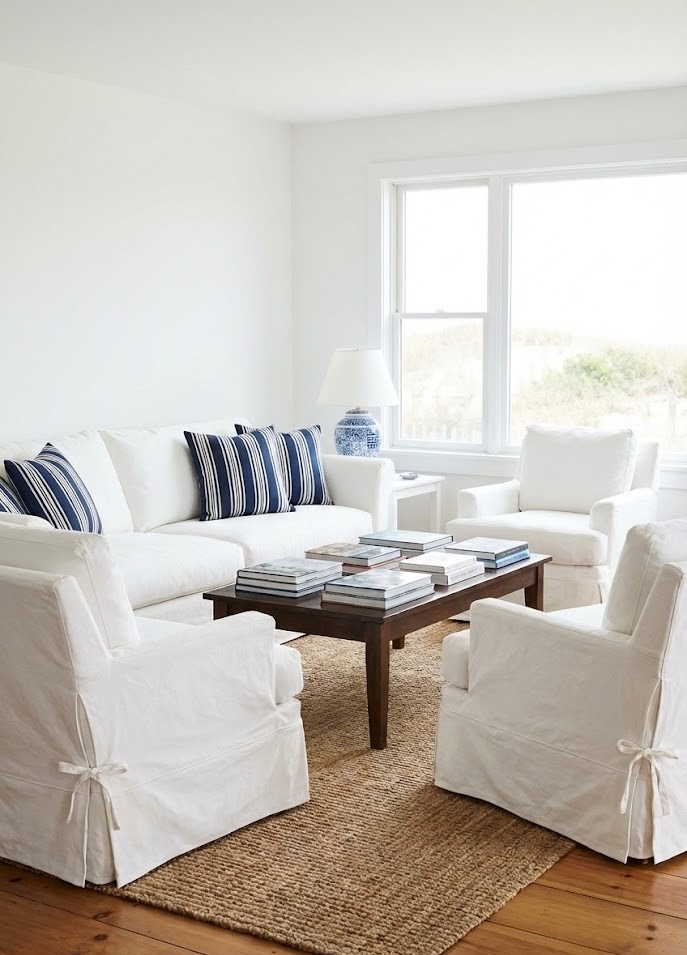
Ralph Lauren interiors often shift with the seasons. For a summer switch-up, cover your dark velvet or leather upholstery with crisp, white cotton duck or linen slipcovers.
The Vibe: This is the signature "Montauk" beach house look. It feels breezy, clean, and effortless.
Why It Works: The contrast between the dark floors/furniture legs and the bright white fabric is stunning. Plus, white denim/canvas is durable and washable.
Fit: The fit should be slightly loose and relaxed, not tight and tailored. It implies a casual elegance where comfort is key.
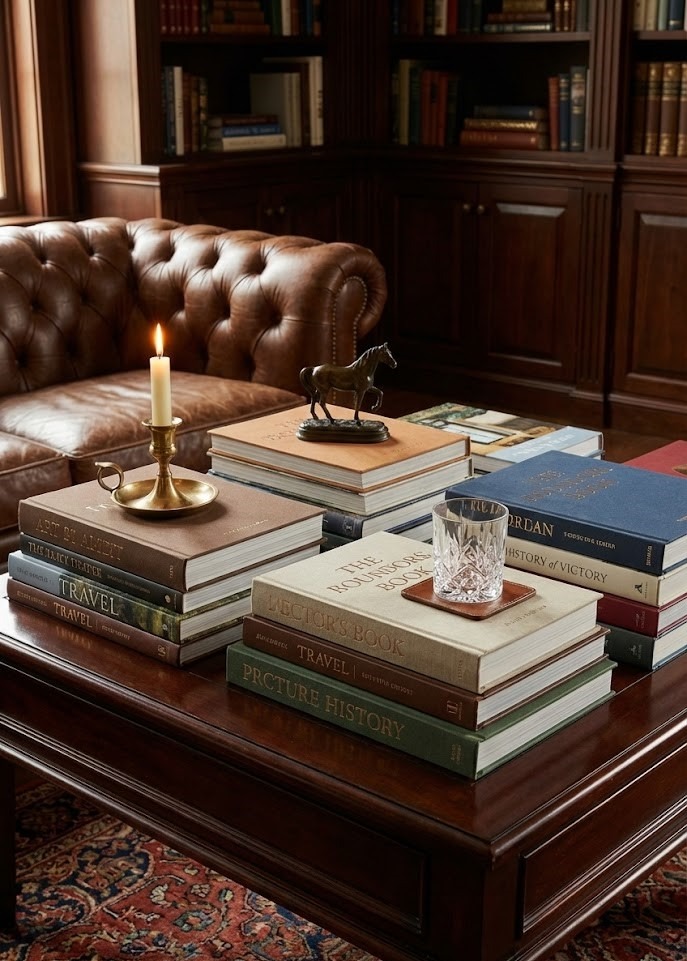
18. Coffee Table Books as Decor
Stacks of large, hardcover books are non-negotiable in this aesthetic. Books are not just for reading; they are architectural building blocks.
Placement: Stack them on coffee tables, on the floor beside a chair, and horizontally on shelves.
Why It Works: Books signal intellect, curiosity, and worldly interests. They also act as risers to give height to candles, magnifying glasses, or small decorative objects.
Pro Tip: If the dust jackets are torn or too brightly colored, remove them. Underneath, you will often find beautiful fabric covers with embossed typography that fit the neutral, textural palette much better.
19. Wicker and Rattan Texture
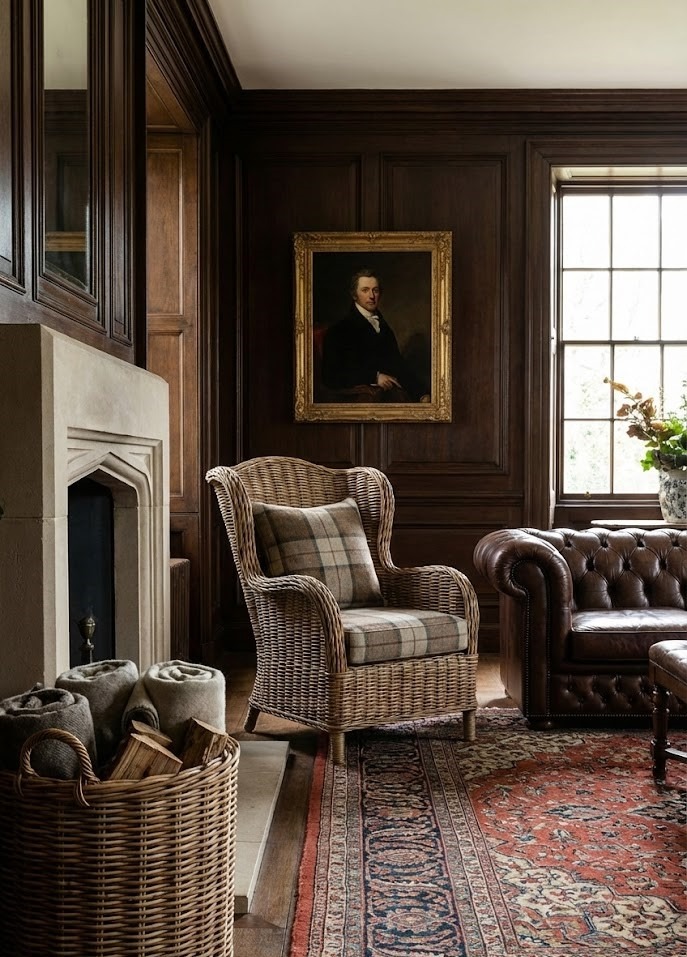
Mix a wicker chair, a rattan log basket, or a woven tray into your formal living room.
The Balance: The natural, rough texture of wicker prevents the room from feeling too heavy, museum-like, or "new." It adds a "veranda" feel indoors.
Color: Stick to natural, honey, or dark-stained rattan. Avoid white painted wicker, which can lean too "shabby chic" rather than "old money."
Utility: A large rattan basket is the most stylish way to store firewood, rolled-up wool blankets, or magazines.
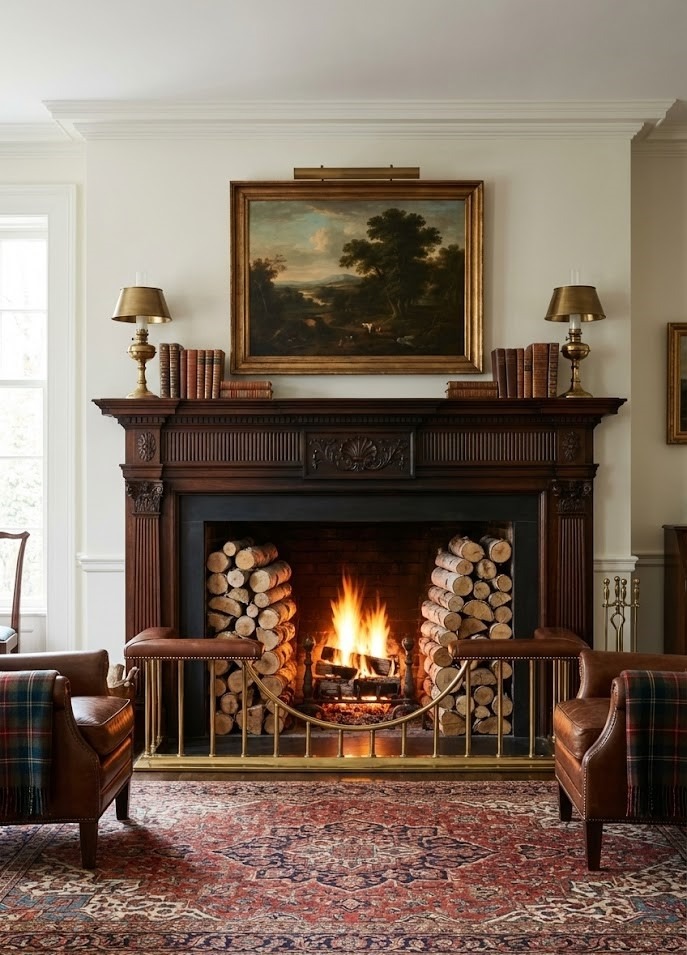
20. The Roaring Fireplace Focal Point
If you have a fireplace, make it the center of the universe. In the absence of a TV (or with the TV hidden), the hearth is where the furniture should point.
Styling: Style the mantel with strict symmetry (candlesticks on ends, art in middle). Keep the hearth stocked with birch logs—the white bark looks beautiful even when not lit.
No Fireplace? If you have a non-working fireplace, fill the firebox with a sculptural stack of logs or a cluster of large pillar candles.
Accessories: Place a brass fender, an antique fire screen, or a set of heavy iron tools in front to finish the look.
21. Monograms and Personalization
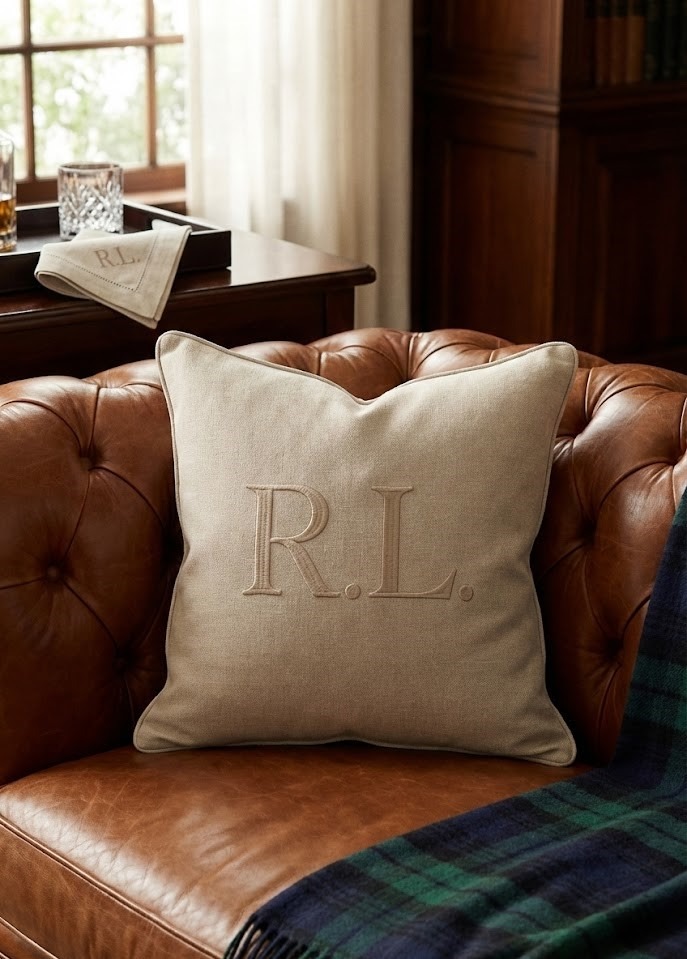
From throw pillows to cocktail napkins, a subtle monogram adds a bespoke touch that screams customization.
The Psychology: Monogramming implies that the items were made specifically for you, not bought off a shelf at a big-box store. It is a hallmark of heritage linens.
Design: Keep the font classic (Serif or Script).
Subtlety: Keep the thread color tonal (e.g., beige thread on a white pillow, or navy thread on a blue pillow) for a sophisticated, subtle effect. Giant, contrasting initials can look tacky; subtle ones look expensive.
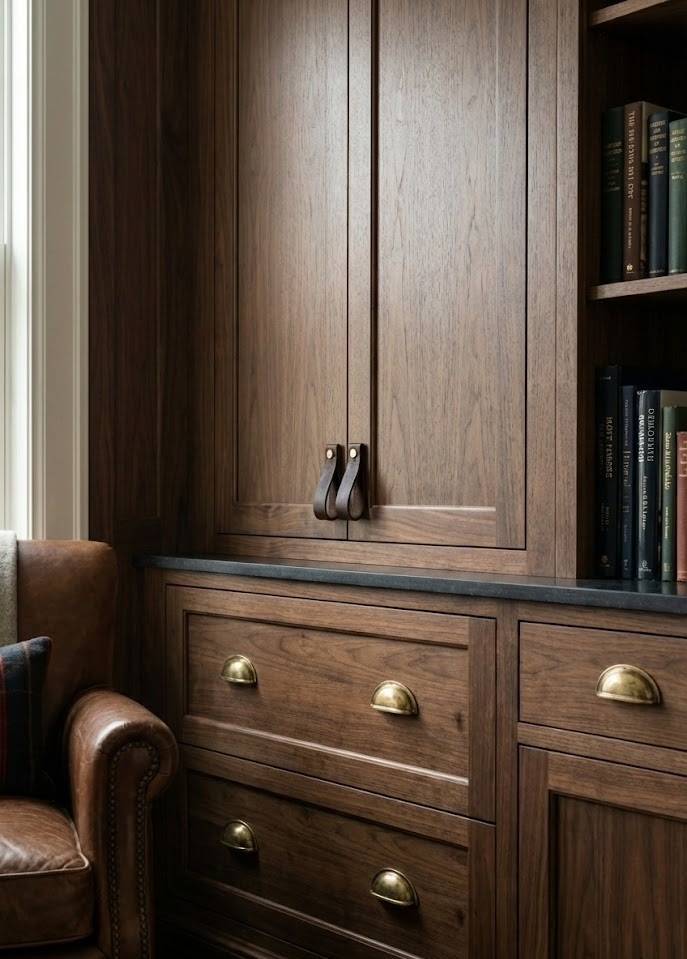
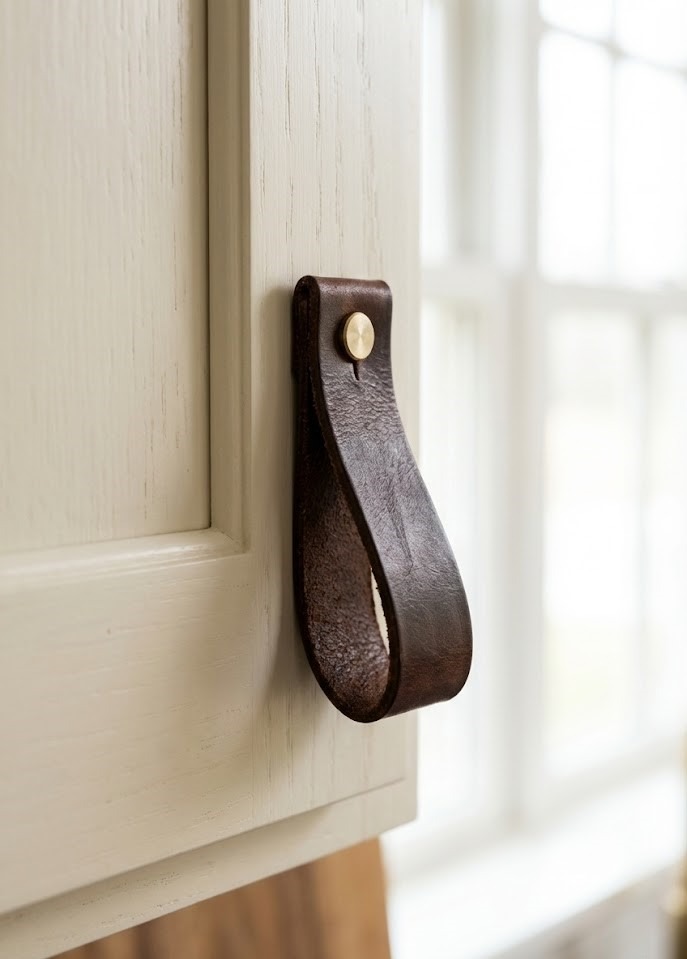
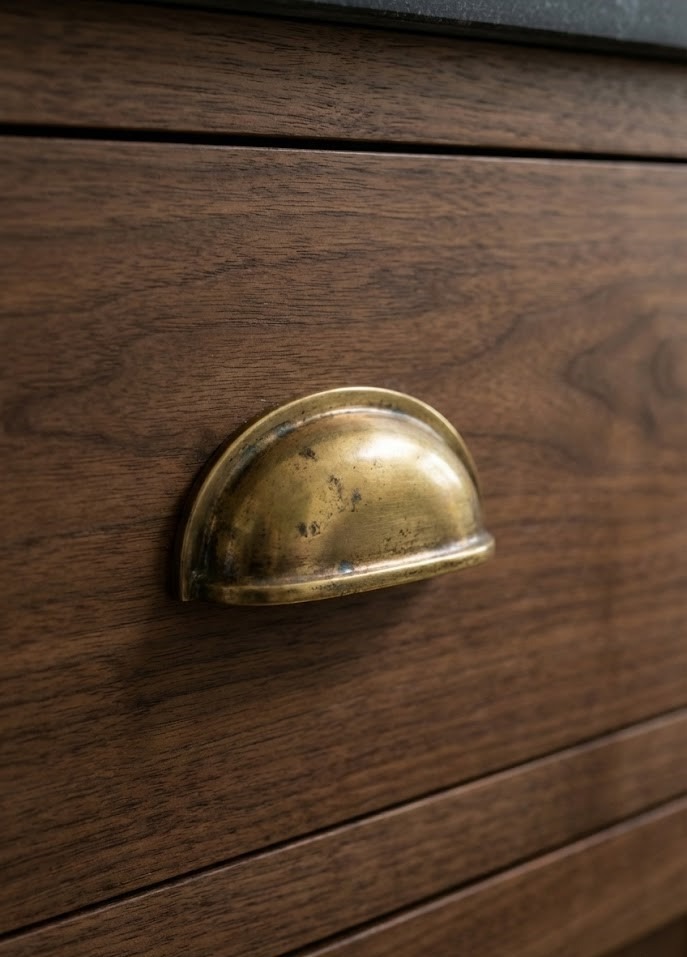
22. Brass and Leather Hardware
Upgrade the small details. This is often the most affordable way to elevate a room. Swap out standard cabinet knobs for leather pulls or unlacquered brass handles.
Sensory Experience: These are the touchpoints of the home. Feeling a quality, heavy material when you open a drawer elevates the sensory experience of the room.
The Finish: Look for "unlacquered brass." Unlike shiny, plastic-coated brass, unlacquered brass will oxidize and tarnish over time, developing a rich, living patina that fits perfectly with the "Old Money" ethos.
DIY Application: This is an excellent way to "hack" cheaper furniture (like IKEA dressers) to make them look custom and high-end.
Conclusion:
Creating a Ralph Lauren-inspired living room isn't about buying the most expensive furniture or replicating a showroom catalog page by page; it is about curating a mood. It is the interplay between the rugged and the refined, the history and the present.
By focusing on deep textures, warm lighting, and a narrative that blends American spirit with European tradition, you can transform your living space into a timeless sanctuary. Remember, the goal is "quiet luxury"—a space that whispers elegance rather than shouting it.