
The Ultimate Guide to Outdoor Pavilions: 15 Designs to Transform Your Backyard into an Oasis
Many homeowners find that their outdoor space, while beautiful, isn't always functional. Whether the midday sun is too intense or a sudden rain shower ruins a planned dinner, an open backyard can feel limited. A pavilion acts as a permanent solution to these issues, offering a dedicated "outdoor room" that provides full shade and rain protection. At Curious Nester, we believe that the most successful outdoor structures aren't just about size; they are about strategic placement and human-centric design. Before you build, take a walk through your yard. Observe where the light hits at 4 PM and where the wind naturally flows. By understanding the fundamentals of your site—including drainage and sun angles—you can create a sanctuary that feels like a natural extension of your home rather than an afterthought.
OUTDOOR
1. The Classic Natural Cedar Pavilion
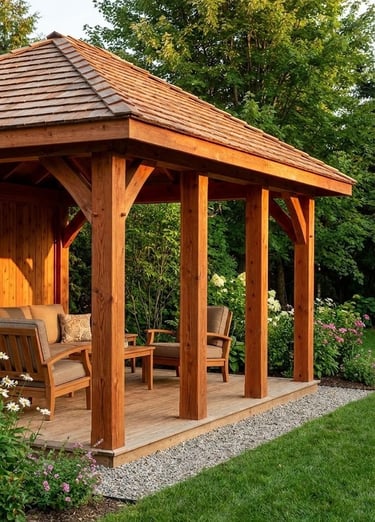
Cedar remains a top choice for outdoor enthusiasts because of its timeless beauty and organic resilience. It naturally deters insects and resists decay, making it a superior alternative to pressure-treated pine.
Best For: Creating a warm, cozy atmosphere that ages gracefully.
Pro Tip: Use 10x10 cm (4x4 inch) posts for a sturdy, proportional look. Ensure you leave a 60 cm perimeter for easy cleaning and airflow.

Categories
2. The Sophisticated Dining Retreat
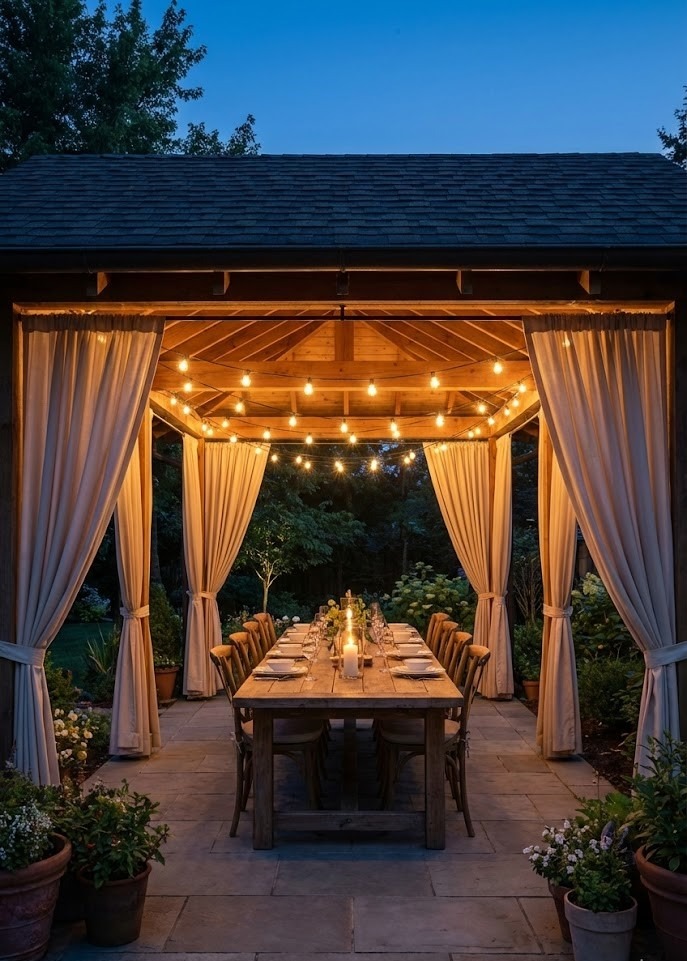
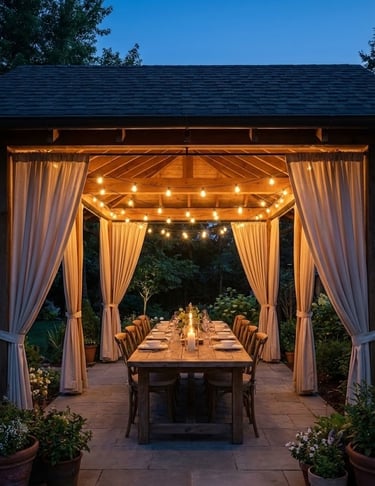
If you love hosting, a pavilion designed specifically for dining is a game-changer. A 4x5 m footprint provides enough space for a large table and movement for guests.
Key Features: Integrate waterproof curtains and heavy-duty, IP65-rated string lights to transition the space from day to night.
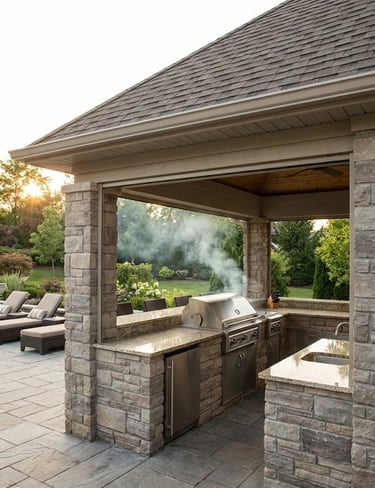
3. High-End Pavilion with Integrated Outdoor Kitchen
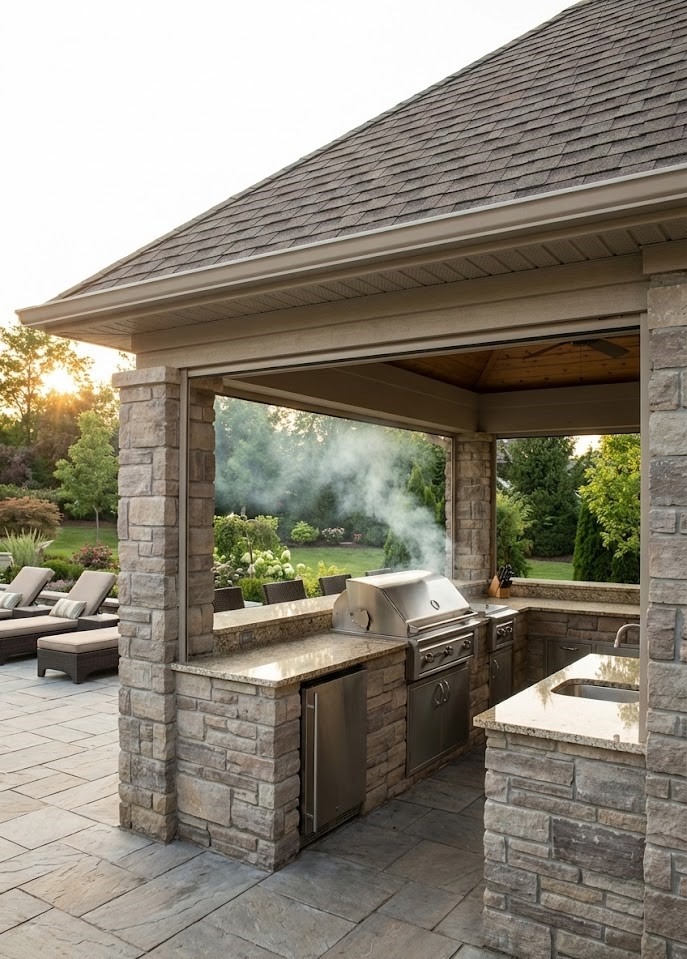
Transform your yard into a culinary destination. By housing your grill, stone counters, and a small refrigerator under a permanent roof, you can cook in any weather.
Caution: Ventilation is vital. Ensure at least one side remains open to allow smoke to escape, ideally facing away from the prevailing wind.
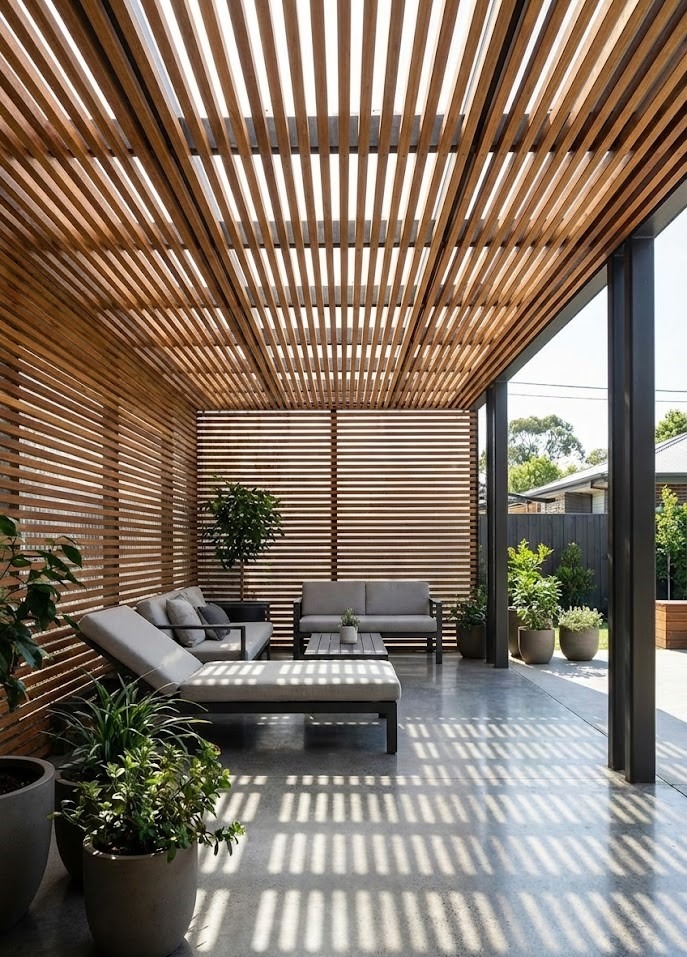
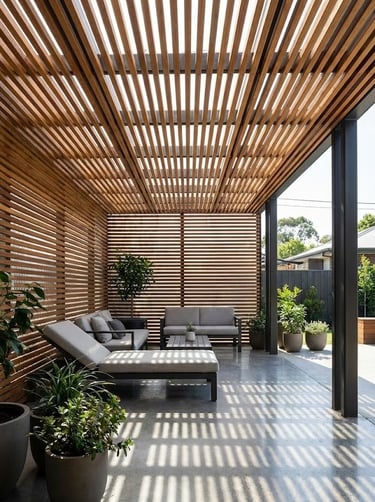
4. Modern Slatted Roof Design
For a minimalist, contemporary aesthetic, a slatted roof is ideal. It filters sunlight to create a beautiful dappled effect while maintaining a sleek silhouette.
Waterproofing Hack: Back the slats with clear polycarbonate sheets to keep the space dry without losing the modern, open-air look.

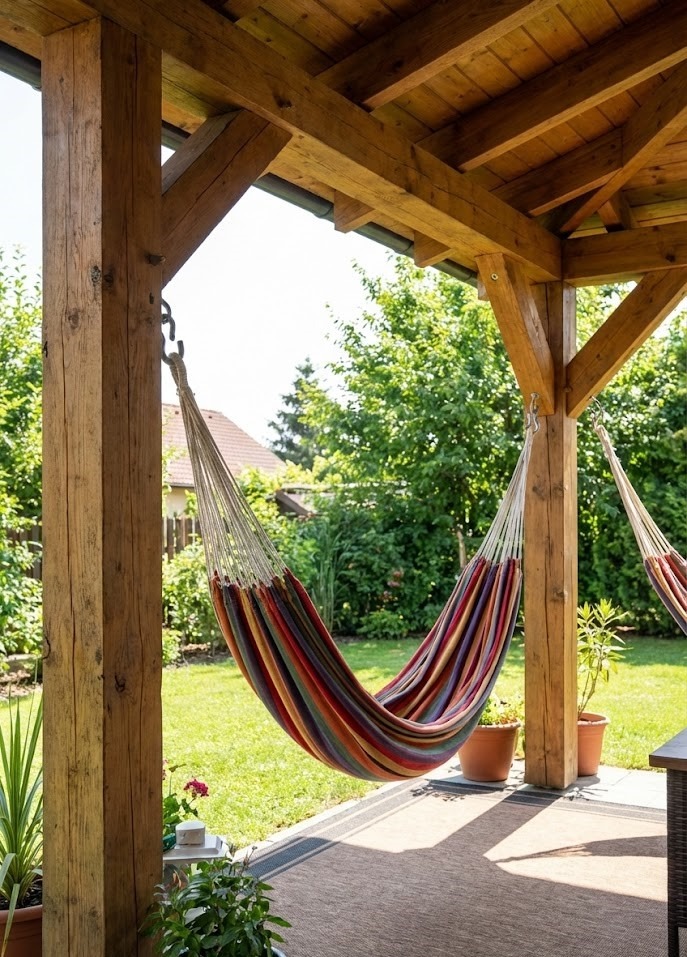
9. Dual-Purpose Pavilion with Hammock Hooks
Why settle for one use when you can have two? By using heavy-duty 15x15 cm (6x6 inch) support beams, you can safely install hooks for hammocks.
Setup: Ensure hooks are at least 2.5 m apart to allow for the natural curve of the hammock.
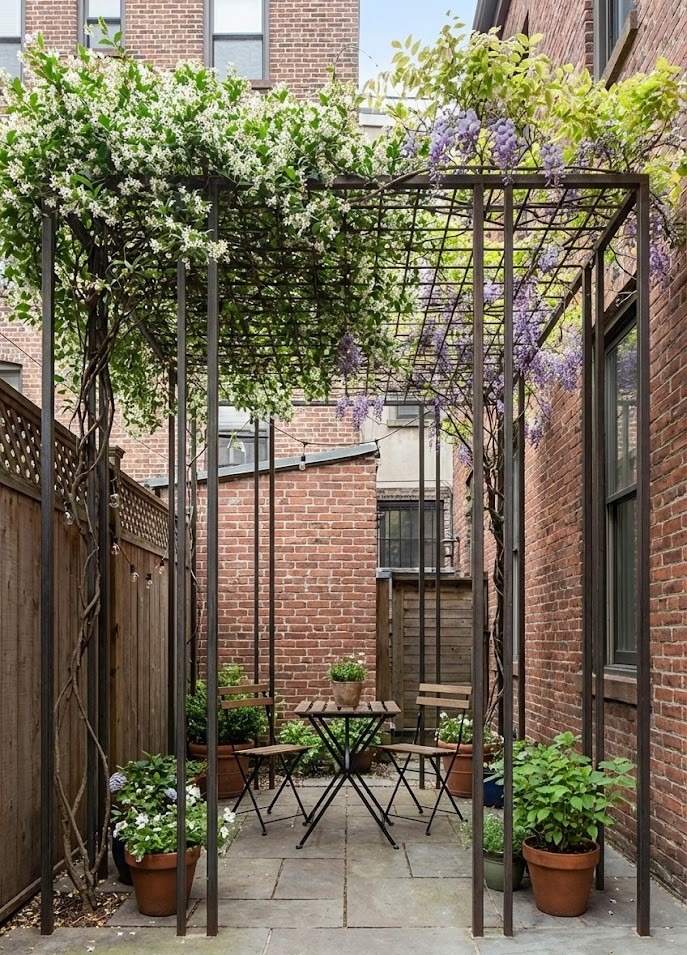
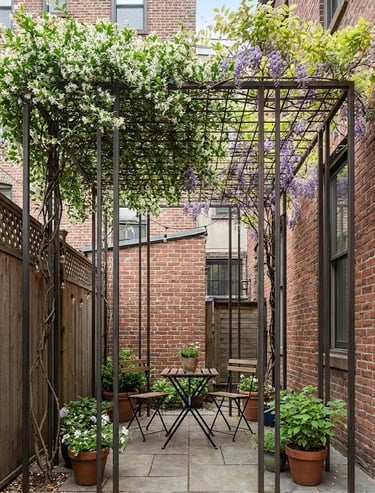
10. Lush Urban Sanctuary with Climbing Vines
Even a small 2.5x3 m city courtyard can benefit from a pavilion. Using thin metal posts and a roof grid covered in jasmine or wisteria creates a lush, fragrant canopy that saves on ground space.
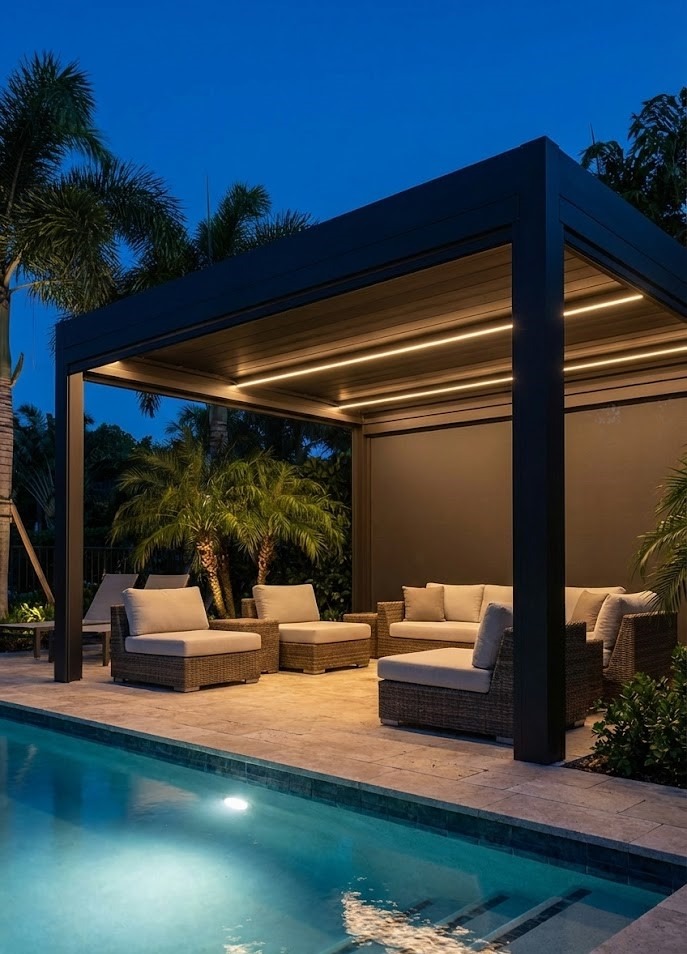
6. Poolside Luxury Lounge
A poolside pavilion serves as a private resort cabana. Focus on moisture-resistant materials like aluminum frames and woven resin furniture that can withstand splashes and humidity.
Lighting: Use subtle LED strips tucked under the beams to create a high-end "resort glow" in the evenings.
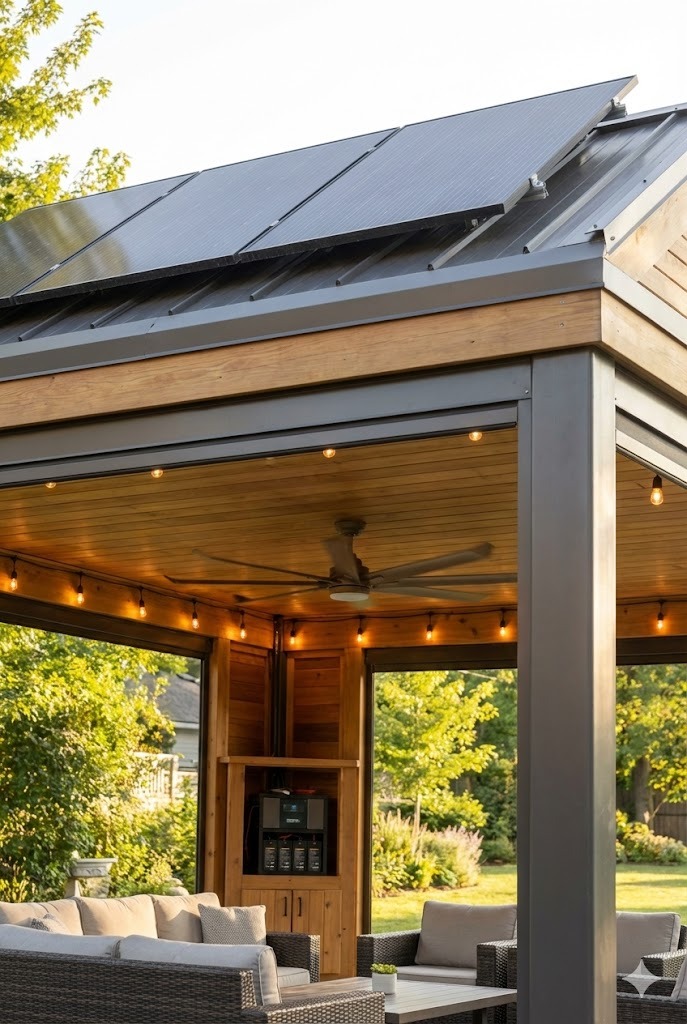
7. Sustainable Solar-Powered Pavilion
In 2025, off-grid outdoor living is more accessible than ever. By mounting 100W solar panels on the roof, you can power ceiling fans and ambient lighting without running expensive electrical lines.
Design Tip: Tilt panels at a minimum of 15° to prevent dust accumulation.
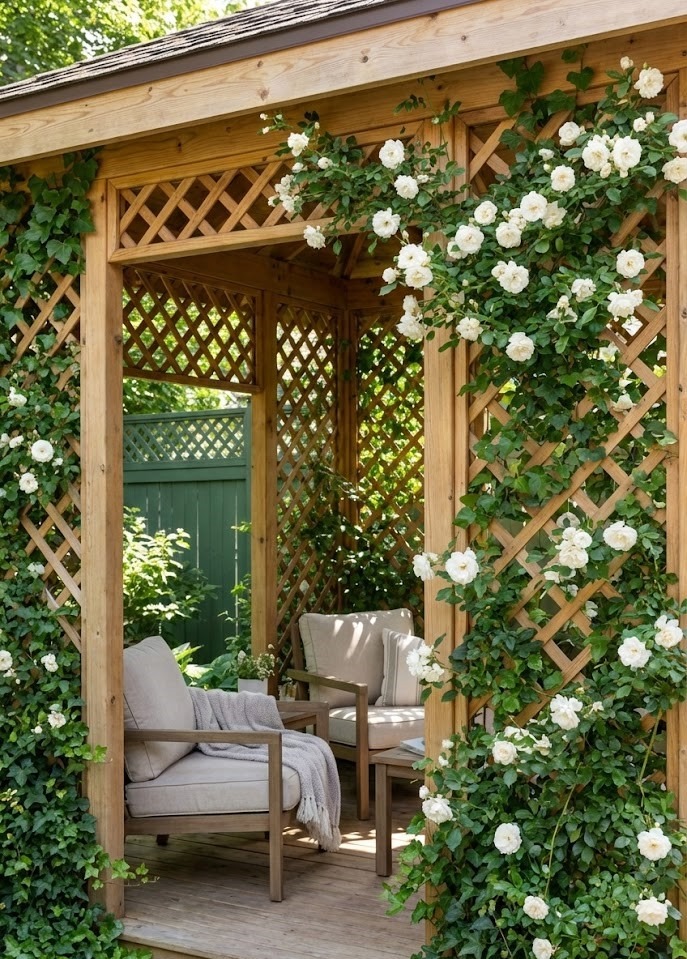
8. Privacy-Focused Pavilion with Lattice Walls
If your yard feels too exposed to neighbors, lattice privacy panels offer a solution. They provide a sense of seclusion while still allowing a cool breeze to pass through the structure.
Softening the Look: Train climbing ivy or roses to grow up the lattice for a "living wall" effect.
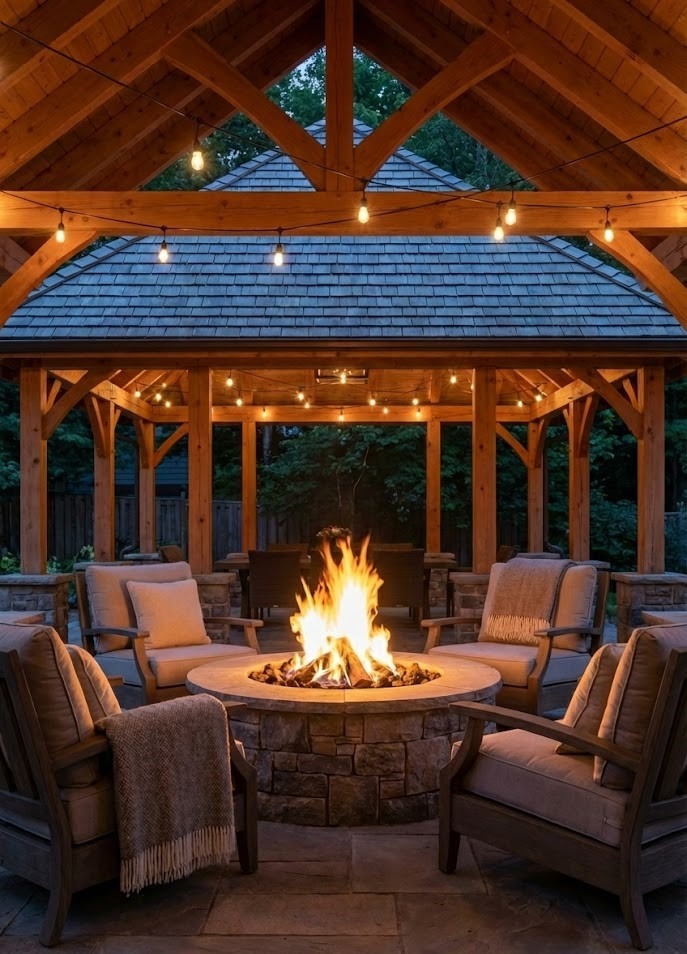
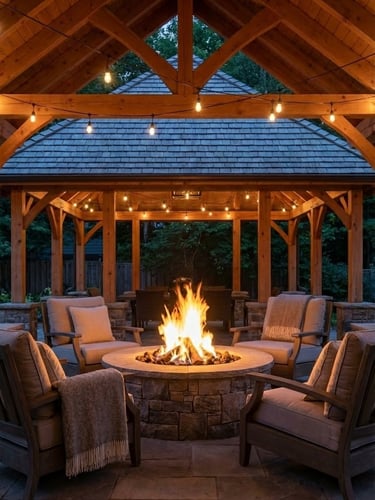
5. Cozy Gathering Space with a Built-in Firepit
A pavilion with a fire feature allows you to extend your outdoor season into the colder months.
Safety Standard: Maintain a minimum of 1.2 m (4 ft) of clearance between the fire source and any structural beams or roofing materials.
15. The "Romantic Evening" Decor Style
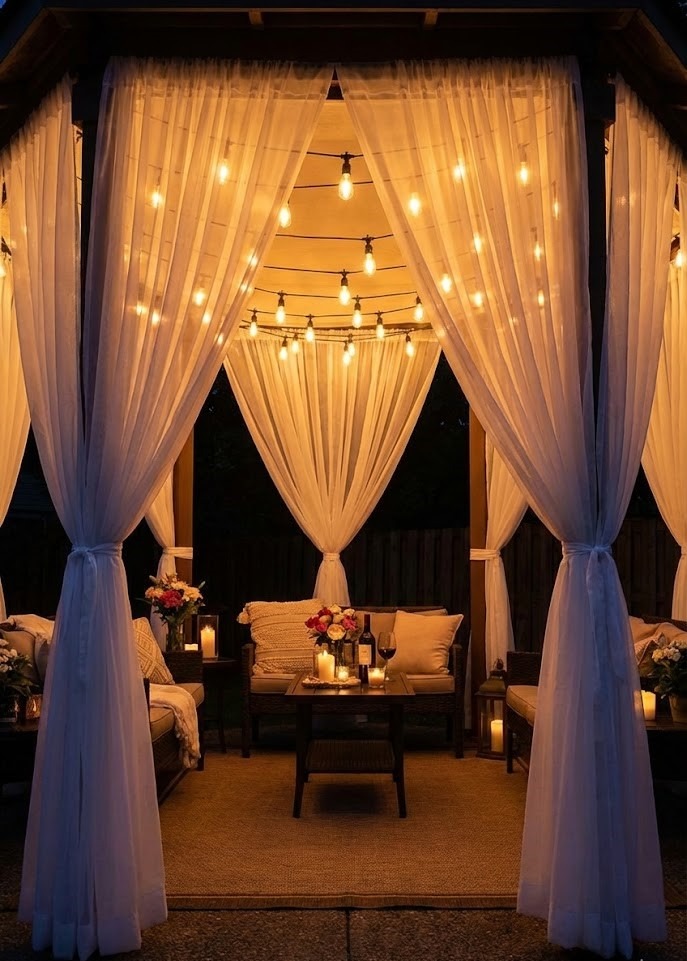
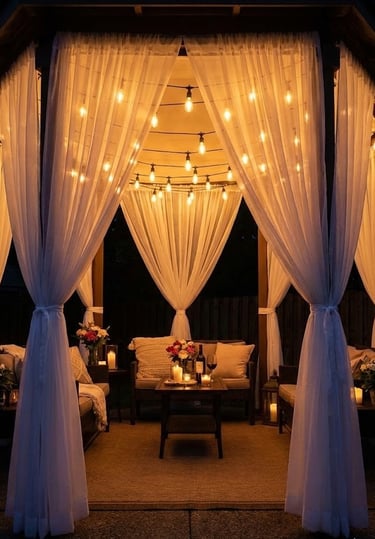
Focus on the finishing touches to create an inviting atmosphere. Use flowing polyester curtains and warm Edison-style LED bulbs to turn a simple structure into a romantic retreat.
Expert Strategies for Selecting Your Ideal Pavilion Style
Choosing the right structure requires balancing aesthetics with practicality. Ask yourself these three questions:
What is the primary goal? Are you primarily dining, lounging, or sheltering a kitchen?
How does the sun move? Position your roof to block the harshest afternoon glare.
What is your maintenance appetite? Aluminum and metal require almost no care, whereas wood requires resealing every 2 to 3 years to stay beautiful.
Conclusion
A well-designed pavilion does more than just provide shade; it defines the heart of your home’s exterior. By choosing a design that aligns with your climate, your lifestyle, and your yard’s unique layout, you create a space that will be cherished for years. Whether you want the rustic charm of stone and cedar or the modern efficiency of a solar-powered retreat, the right structure is waiting to be built.
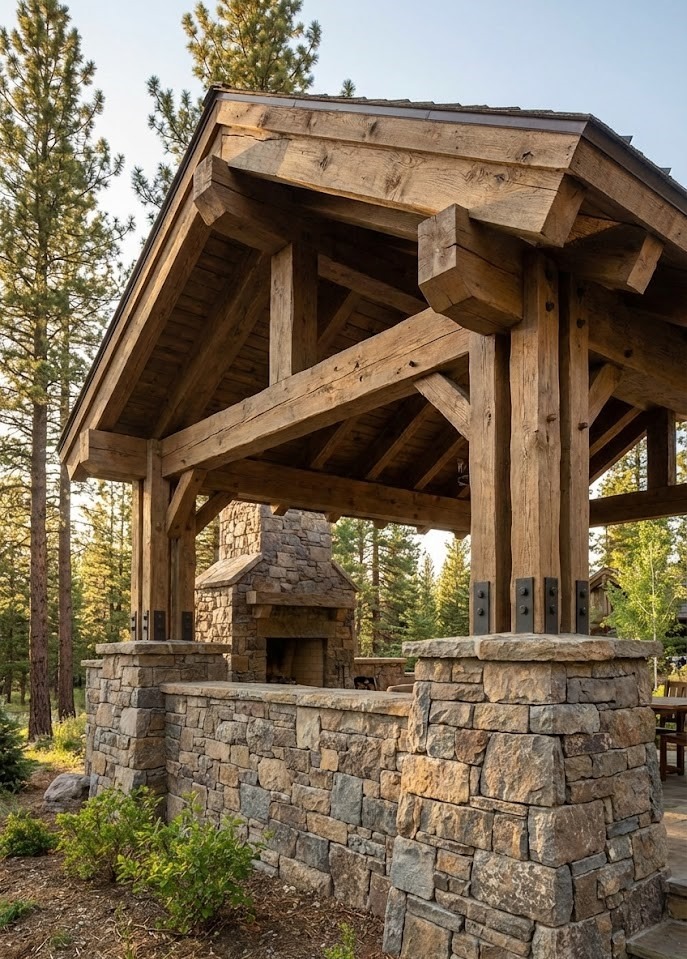
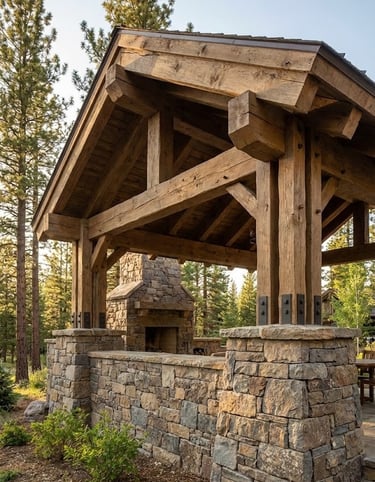
11. Rustic Timber and Stone Pillar Combo
For a cottage or mountain-inspired look, combine heavy oak beams with stone column bases. It gives the structure a sense of permanence and "old-world" charm.
Budget Hack: Use real stone for the corner pillars and high-quality stone veneer for the center sections to save on material costs.
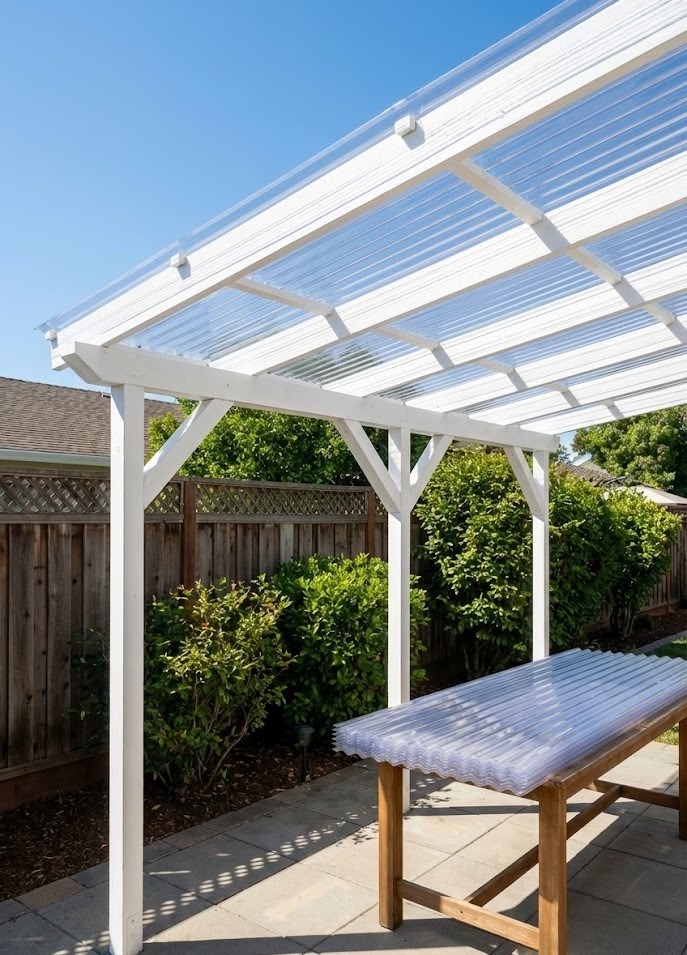
12. Beginner-Friendly DIY Pergola Kit Conversion
If you are new to construction, start with a pre-made pergola kit. You can easily upgrade it into a full pavilion by adding corrugated roofing panels.
Timeline: This is a perfect "one-weekend" project for two people.
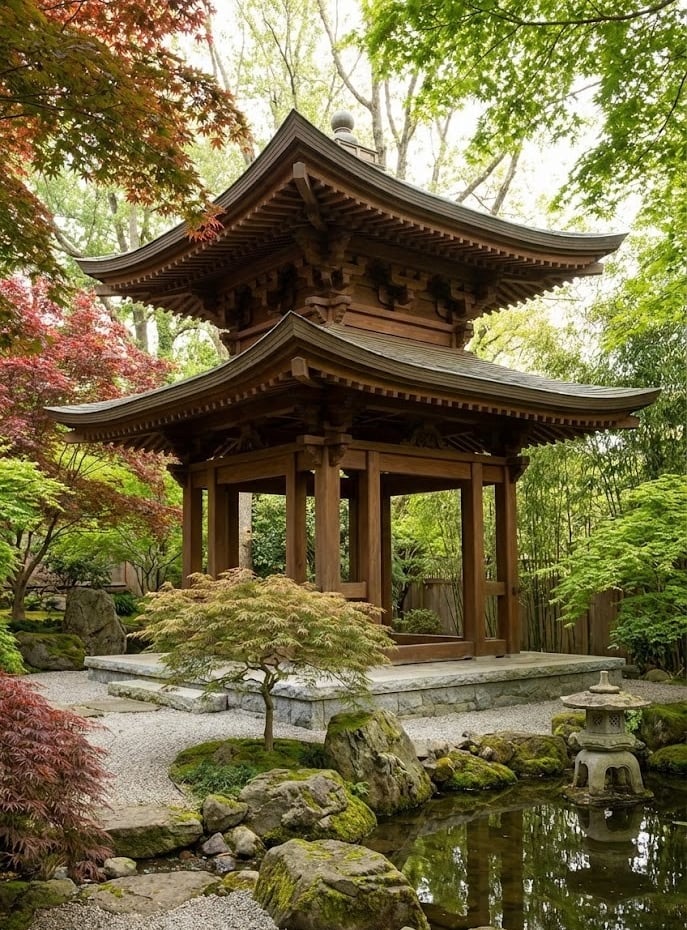
13. Architectural Asian-Inspired Pagoda Design
This style utilizes layered eaves and curved beams for a striking, meditative look. While the joinery is more complex, the result is a stunning focal point.
Material Choice: Stain pressure-treated pine in a dark teak shade to achieve an authentic look without the high price of exotic hardwoods.
14. Versatile Retractable Fabric Roof
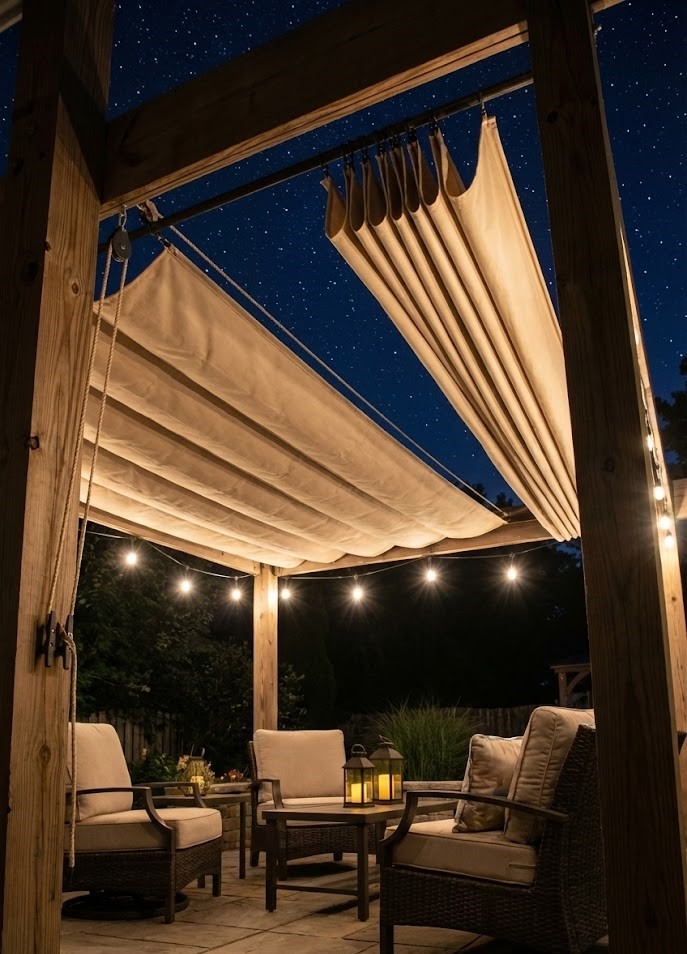
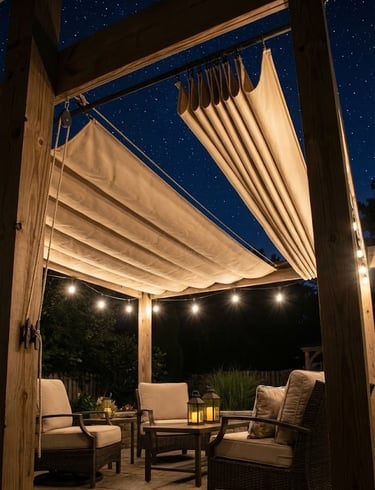
If you enjoy stargazing, a retractable canvas roof offers the best of both worlds. Use a pulley system with waterproof, fade-resistant fabric to adjust the shade throughout the day.
Frequently Asked Questions
What is the main difference between a pergola and a pavilion? A pergola has an open-slat roof for partial shade, while a pavilion has a solid, closed roof for full protection from sun and rain.
Do I need a building permit for a pavilion? Generally, structures under 10 m² (approx. 108 sq ft) may be exempt, but you should always verify local 2025 building codes before breaking ground.
Which roofing material lasts the longest? Metal panels and polycarbonate sheets are the most durable, often lasting 15+ years. Fabric and asphalt shingles typically need replacement in 5 to 7 years.
Critical Construction Pitfalls to Avoid
Foundation Failure: Never skip the leveling process. A pavilion on soft soil will tilt over time. Use a compacted gravel and sand base or a concrete pad.
Scale Mismatch: A pavilion should not take up more than 25% of your total yard space. Ensure it has "breathing room" to keep the yard from feeling cluttered.
Ignoring Drainage: Ensure your roof pitch and gutters carry water at least 0.5 m away from the structure to prevent puddling and wood rot at the base.