The Ultimate Guide to Scandinavian Living Room Design: 18 Ideas for a Serene Home
Does your living room feel cold? I’m sharing 18 essential ideas to master Scandinavian design. From maximizing natural light to embracing 'hygge,' discover how to create a functional, serene sanctuary.
LIVING ROOM
We have all been there—scrolling through social media late at night, completely mesmerized by those flawless Nordic interiors. You know the ones: they look impossibly clean, flooded with light, yet incredibly cozy and lived-in. It is easy to look up from your phone, survey your own living room, and feel that it is either too cluttered with daily life or, conversely, too cold and sterile.
But here is the truth that often gets lost in the glossy photos: Scandinavian design isn't about living in a museum where you are afraid to touch the cushions. It is about creating a functional sanctuary that helps you breathe easier.
Born in the Nordic countries (Denmark, Norway, Sweden, Finland, and Iceland), this design philosophy focuses on simplicity, light, and functionality to combat long, dark winters and small living spaces. It is a tool for wellbeing. Whether you are decorating a tiny city studio or a sprawling family home, these 18 ideas will help you master the "Nordic look" while prioritizing livability and comfort.
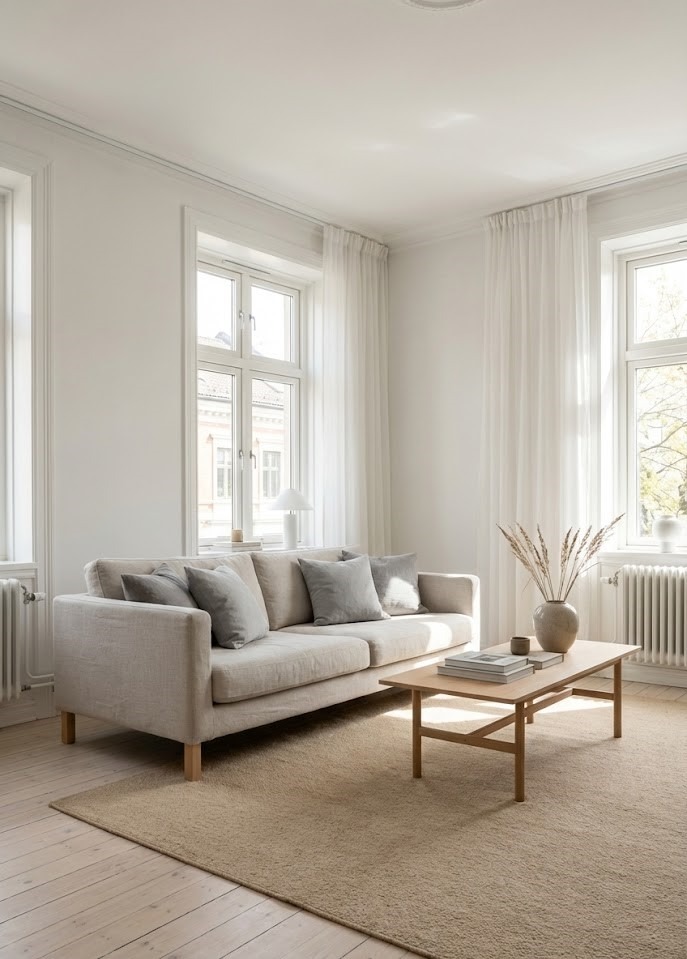
1. Establish a Neutral Color Foundation
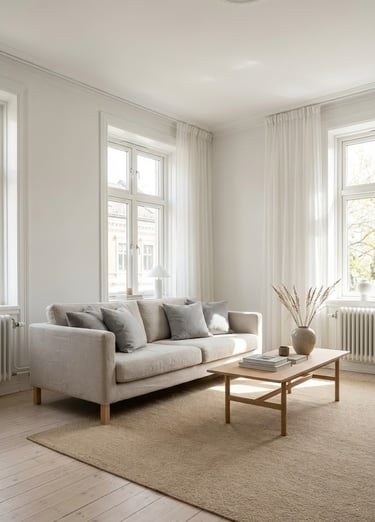
The hallmark of any Scandinavian room is a neutral palette, but this doesn't mean boring. Whites, soft grays, and warm beiges serve as a clean canvas that promotes a sense of calm.
How to do it: Start with your walls. Avoid "brilliant white," which can feel clinical and cold in low light. Instead, opt for "greige" (a mix of gray and beige) or creamy whites with warm undertones.
The Strategy: Paint your walls, trim, and ceiling in similar shades. This blurs the boundaries of the room, making it appear larger.
Pros: A neutral backdrop allows you to change your decor accessories seasonally without clashing with the walls.
Cons: Light walls show scuffs easily, so opt for washable matte or eggshell paint finishes if you have children or pets.
Categories
2. Prioritize Natural Light
In Northern Europe, sunlight is a precious commodity during the winter months. To replicate this vibe, your goal is to maximize every photon of light entering your home.
Styling Tips:
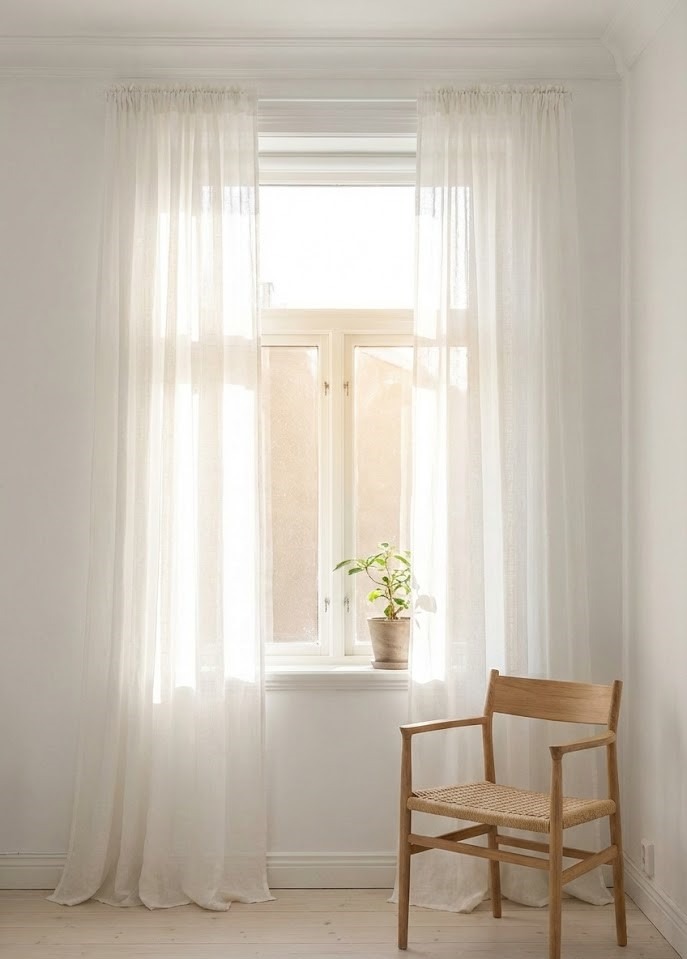
Ditch the heavy drapes: Velvet or thick cotton curtains block too much peripheral light.
Layering Window Treatments: If you need privacy, install translucent roller blinds or sheer linen curtains inside the frame. This ensures that your room stays flooded with Vitamin D during the day while filtering out harsh glare.
Mirror Placement: Place a large mirror on the wall directly opposite your main window. This effectively doubles the natural light and bounces it into darker corners of the room.
3. Choose Function-First Furniture
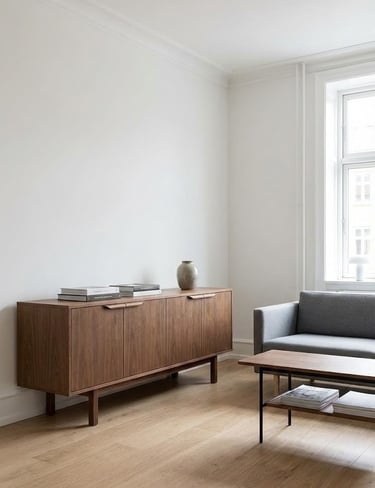
Scandinavian design is famous for the "form follows function" rule. Every piece of furniture should earn its keep. If an item is beautiful but uncomfortable or impractical, it doesn't belong in a Scandi living room.
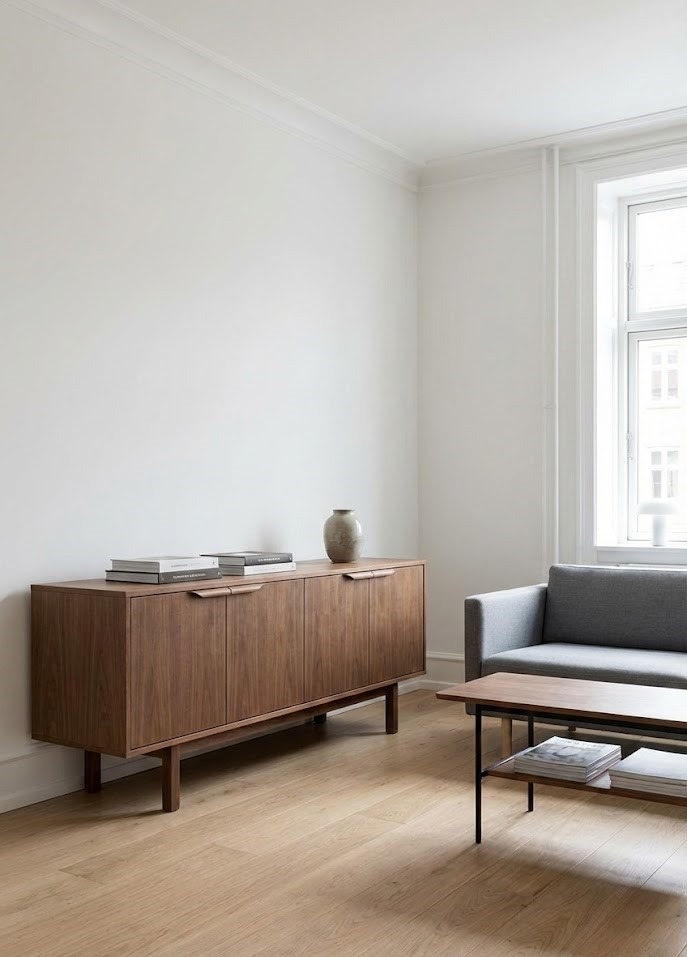
What to look for: Look for clean lines and hidden storage. A coffee table shouldn't just be a surface; it should have a shelf or drawers to hide remotes and magazines.
The "Leggy" Look: Choose sofas and cabinets raised on slender legs. Being able to see the floor underneath your furniture creates a visual illusion of more space and makes the room feel airier.
Decluttering Benefit: When your furniture serves a purpose, you naturally eliminate the clutter piles that often make a room feel stressful.

4. Incorporate Light-Toned Woods
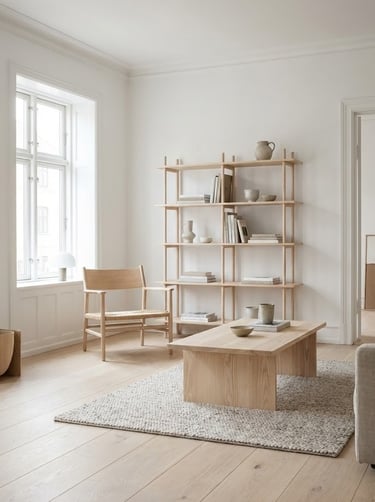
Wood is the soul of Nordic interiors, acting as the primary element that grounds the space. However, not all wood tones work for this aesthetic.
Material Guide: Avoid dark mahogany or cherry woods, which can feel heavy and traditional. Instead, embrace:
White Oak and Ash: These are the gold standards for flooring and furniture.
Birch and Pine: Affordable and bright, often used in shelving units.
Styling Tip: If you have existing dark wood floors that you cannot change, layer a large, light-colored area rug over them to brighten the foundation of the room. Using wood on the walls (like slat panels) is also a fantastic way to add texture and soundproofing.




9. Focus on Natural, Sustainable Materials
Authentic Nordic design values the environment and longevity. The goal is to buy things that will last a lifetime, rather than trendy items that will end up in a landfill next year.
Materials to Prioritize:
Organic Cotton and Linen: For pillows and curtains.
Stone and Marble: For coffee tables or coasters.
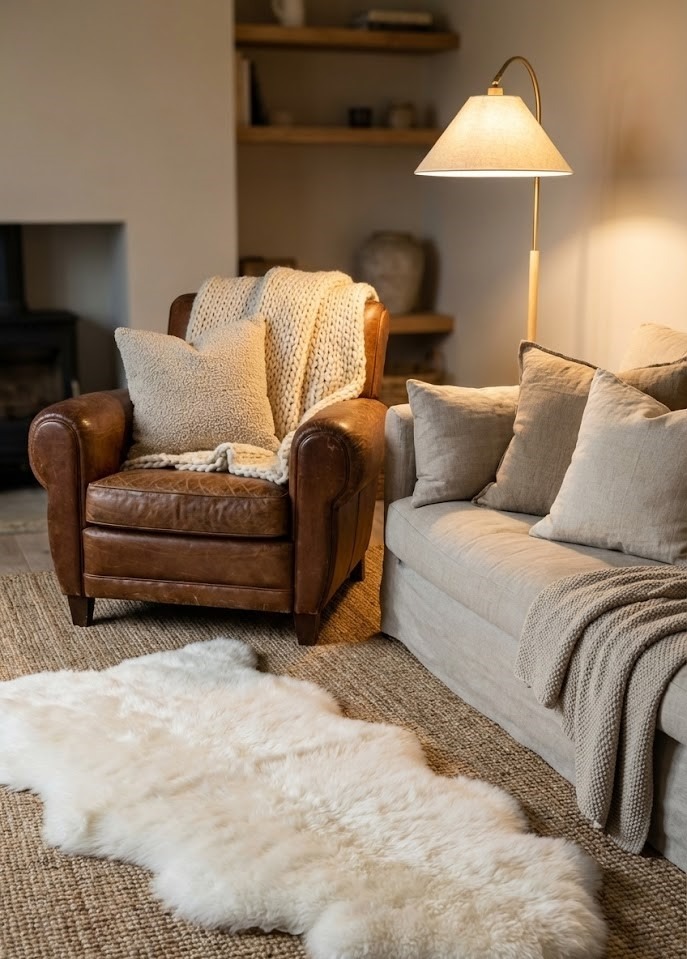
Leather: A cognac leather chair adds warmth and ages beautifully, developing a unique patina over time.
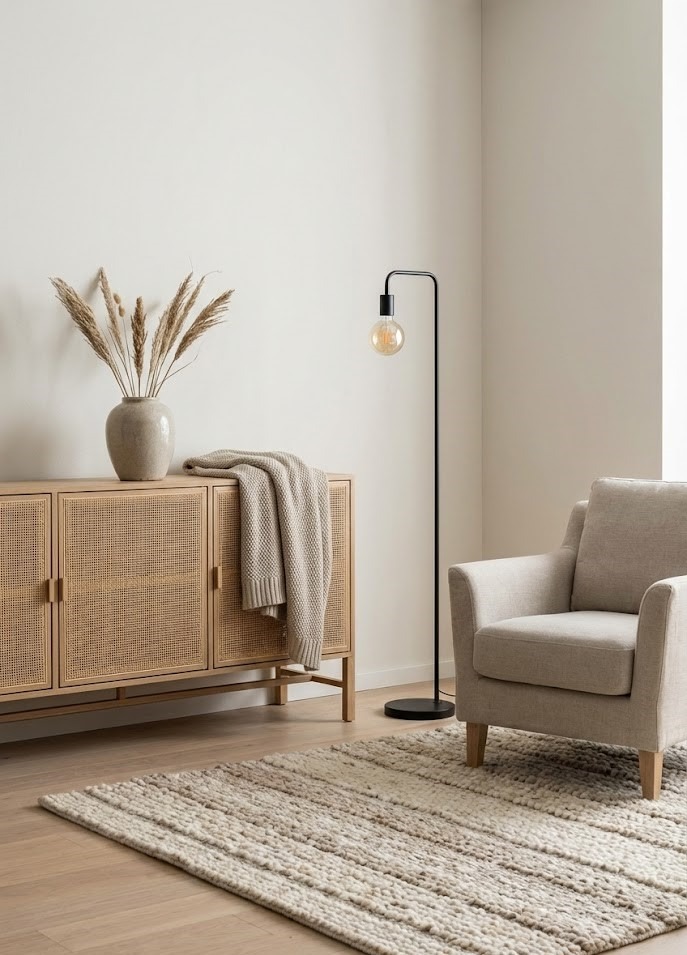
Jute and Sisal: For durable, biodegradable rugs. These materials connect your indoor space to the natural world outside, which is inherently calming.
10. Mix Textures for Visual Interest
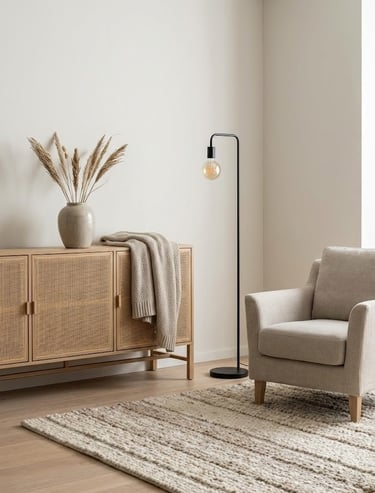
One of the biggest risks of a monochromatic, neutral room is that it can look "flat" or boring. The solution is texture. If your colors are similar (e.g., all white and beige), your textures must be different.
A Real-World Example: Imagine a white living room. To make it interesting, you would combine:
A matte white wall.
A velvet white sofa.
A high-gloss white lamp base.
A nubby white wool rug. This variety creates visual "weight" and shadows, keeping the eye moving around the room without needing bright, jarring colors.
6. Decorate with Living Greenery
Plants are the perfect antidote to a minimalist room that feels a bit too quiet. They add a pop of vibrant color and organic shape without cluttering the visual field. Plus, they improve indoor air quality.
Best Plants for the Scandi Look:
Fiddle Leaf Fig: For height and drama in a corner.
Snake Plant or ZZ Plant: For structural, vertical lines and extreme low-maintenance care.
Monstera: For a wilder, sprawling look.
Styling Advice: Ditch the plastic nursery pots. Repot your plants into ceramic, terracotta, or woven seagrass baskets. Keep the pot colors neutral—white, gray, or clay—to let the green leaves be the star.
7. Master the Art of Lighting Layers
Since natural light disappears in the evening, Scandinavians rely on "pools of light" rather than a single bright source. Relying solely on "the big light" (overhead ceiling fixtures) is a major design faux pas in this style.
The Three-Layer Rule:
Ambient: A pendant light for general visibility (put this on a dimmer switch!).
Task: A floor lamp by the sofa for reading.
Accent: Table lamps on sideboards and plenty of candles. Pro Tip: Pay attention to "Color Temperature." Buy bulbs that are 2700K to 3000K (Warm White). Bulbs labeled "Daylight" (5000K) are too blue and clinical for a cozy living room.
8. Curate Meaningful, Minimalist Decor
In a Scandi home, "less is more" is a lifestyle, not just a catchphrase. This prevents the space from becoming a dust trap or a source of visual anxiety.
The Editing Process: Instead of filling shelves with random knick-knacks from big-box stores, choose a few high-quality items that you truly love.
The Rule of Three: Group decor items in odd numbers (usually threes) at varying heights. For example: a tall vase, a medium candle, and a small stack of books.
Negative Space: Leave empty space on your shelves. Your eyes need a place to rest. Empty space highlights the beauty of the few items you do display.
5. Layer Textiles for "Hygge"
"Hygge" (pronounced hoo-ga) is the Danish concept of coziness and contentment. You cannot buy hygge, but you can encourage it through tactile layers that invite you to sit down and relax.
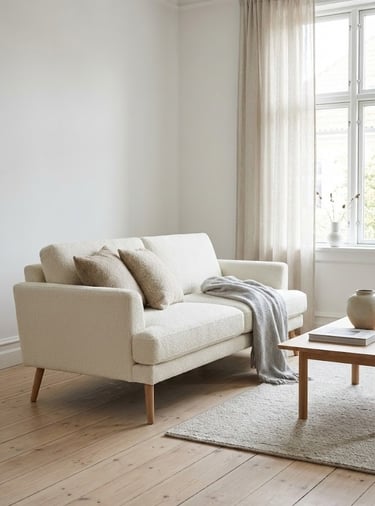
Texture Combinations: A room without textiles feels like a waiting room. The secret is mixing contrasting feelings:
Rough + Smooth: Pair a chunky cable-knit wool throw with a smooth leather armchair.
Soft + Structured: Toss a sheepskin pelt over a wooden dining chair or a hard bench.
Linen: This is the quintessential Scandi fabric. Its natural crinkles look relaxed and effortless, unlike crisp cotton which requires ironing.
15. Explore the "Japandi" Fusion
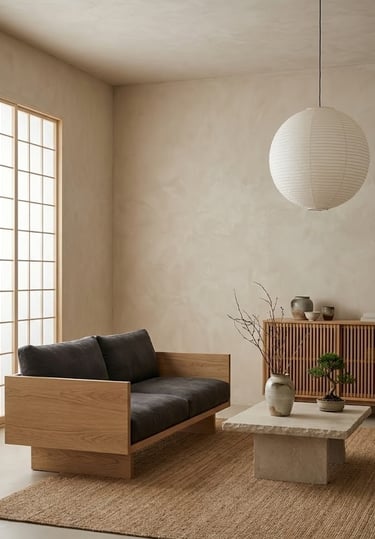
Japandi is the intersection of Scandinavian functionality and Japanese rustic minimalism (wabi-sabi). It is a massive trend because it addresses the potential "coldness" of Scandi design.
Key Elements:
Lower Furniture: Beds and sofas that sit closer to the ground.
Darker Accents: Utilizing black or dark stained wood to create contrast against the light Scandi palette.
Imperfection: embracing handmade pottery or asymmetrical branches in a vase. It is a great way to add a more "zen" and sophisticated feeling to your home if pure Scandi feels too generic for you.
16. Introduce Soft Pastel Accents
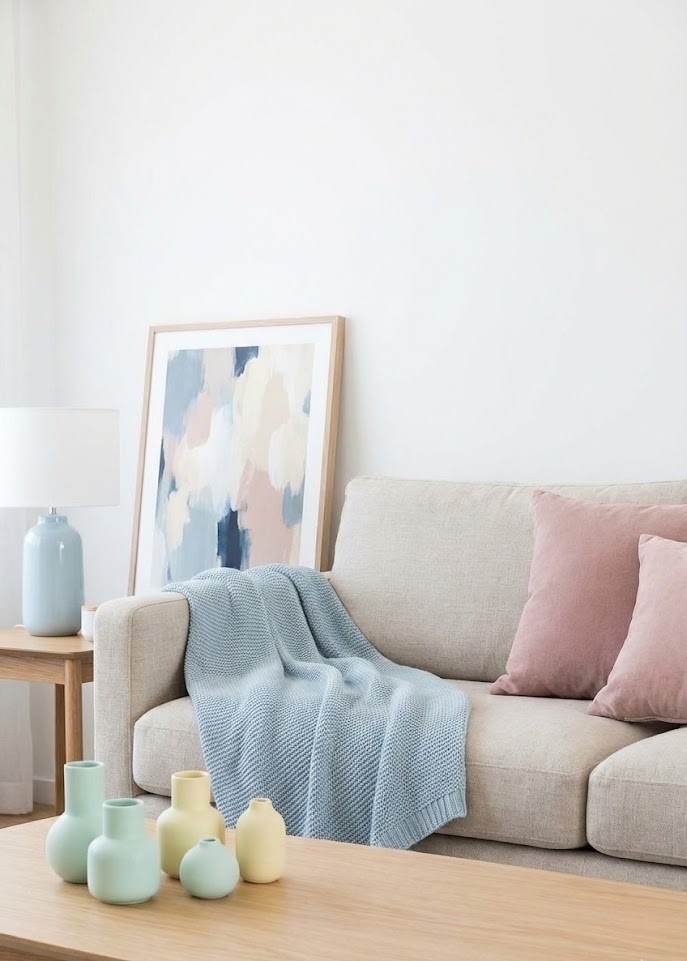
If you are someone who misses having color, you don't have to stick to beige. The Nordic palette embraces "muted" pastels—colors that look like they have been mixed with a little bit of gray.
Approved Colors:
Powdery Blues: Reminiscent of the sky or sea.
Dusty Pinks: Adds a feminine, warm touch.
Soft Sage: Very calming to the eye. The Trick: Avoid candy-colored or neon pastels, which look like a nursery. Use these muted tones in your artwork, ceramics, or a single throw blanket to keep the vibe sophisticated.
17. Use Bold Wall Art as a Focal Point
A minimalist room can handle—and often needs—one big statement. Cluttering a wall with 20 tiny photo frames can look messy and chaotic.
The Strategy:
Go Big: Try one large-scale piece of abstract art or a nature-inspired print.
Subject Matter: Black and white photography, line drawings, or abstract color blocks work best.
Positioning: Hang art so the center is at eye level (approx. 57 inches from the floor).
DIY Option: If large art is out of your budget, buy a large canvas and paint a simple, textured abstract piece using the wall colors of your room. It gives the room "soul" without breaking the bank.
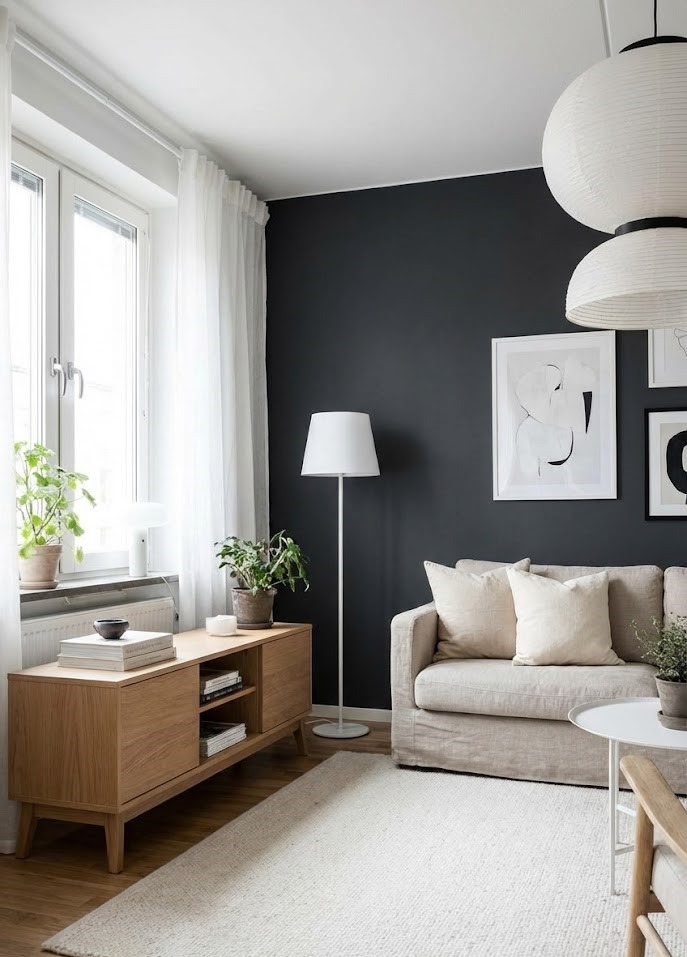
18. Experiment with Deep Contrast
Don’t be afraid of the dark. While Scandi is known for light, it relies on contrast to create definition. Without contrast, a room can feel like a white box.
How to add drama:
Accents: Matte black hardware on cabinets, black picture frames, or a black metal floor lamp.
Walls: Using charcoal gray or navy blue on a single accent wall can add incredible coziness.
Balance: As long as you have enough natural light and light-colored furniture to balance it, dark tones ground the space and make the white elements pop even brighter.
Conclusion
Transforming your living room into a Scandinavian retreat isn't about achieving a "perfect" look or buying a whole new set of furniture. It is about prioritizing your own comfort and clarity. By focusing on light, natural materials, and ruthlessly removing the things that don't serve you, you create a space that actually recharges your battery.
Start with one small change today—perhaps clearing a single surface of clutter, buying a new plant, or adding a soft throw to your sofa—and notice how the energy in the room shifts. Your home should be your exhale.
11. Ground the Space with Earth Tones
While white is the base, earth tones are essential for depth. As we move through 2025, we are seeing a shift away from cool grays toward warmer, nature-inspired hues.
Trending Colors:
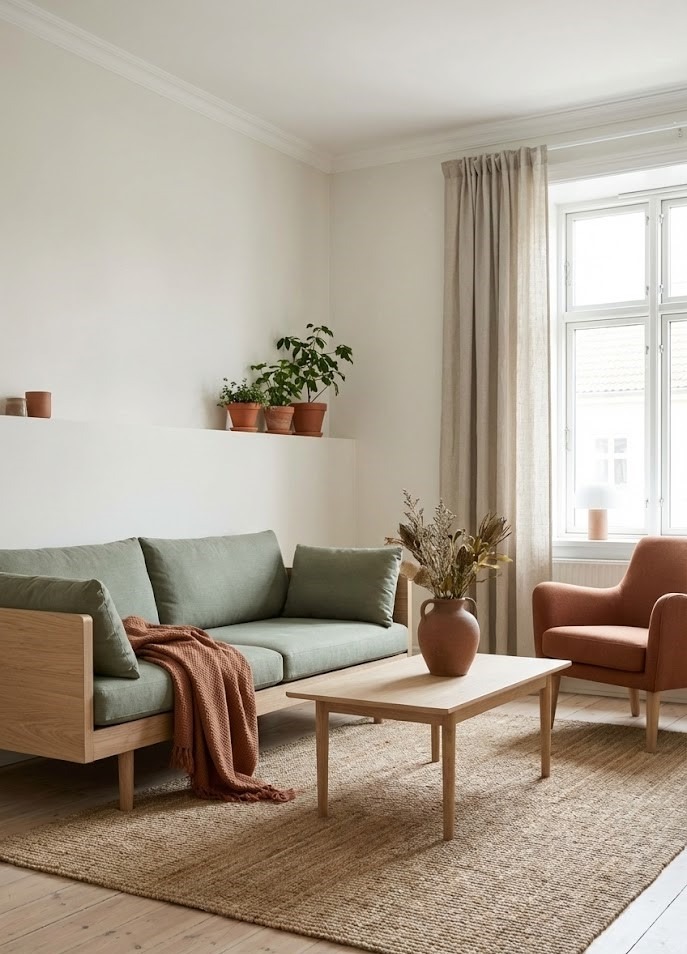
Terracotta and Rust: Adds heat to the room.
Sage and Forest Green: Connects the indoors with the outdoors.
Warm Clay and Sand: Softens the starkness of white walls.
How to apply: Use these colors in your "movable" items—throw pillows, blankets, or a single accent chair—so you can swap them out if your tastes change.
12. Invest in a Statement Sofa
The sofa is the largest piece of furniture in the room and serves as the anchor. For a Scandi look, avoid puffy, overstuffed recliners.
Design Checklist:
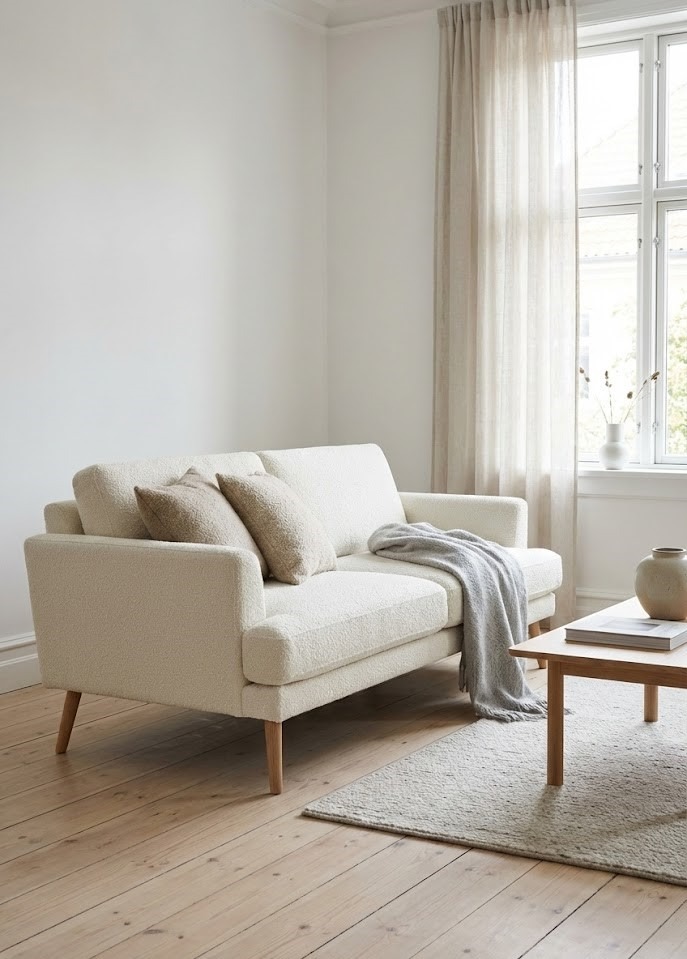
Profile: Go for a sleek, slim profile with track arms.
Legs: Wooden or metal legs that lift the frame off the floor.
Fabric: Bouclé, tweed, or a textured weave in cream, light gray, or charcoal.
Practicality: If you choose a light-colored sofa, look for "performance fabrics" that resist staining, or slipcovered models (like those from IKEA or Pottery Barn) that can be thrown in the washing machine.
13. Add Warmth with Area Rugs
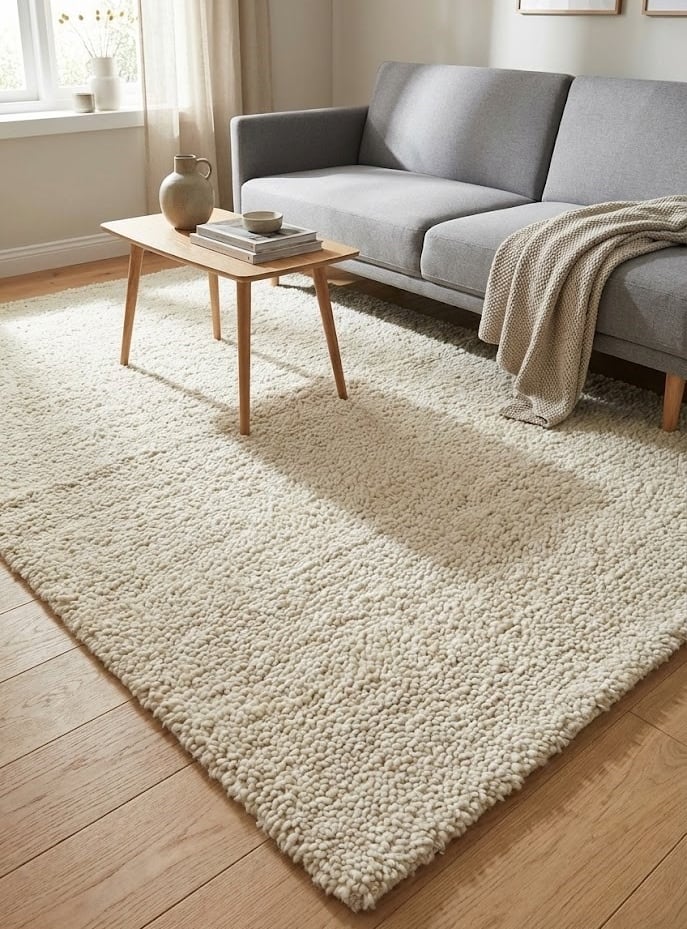
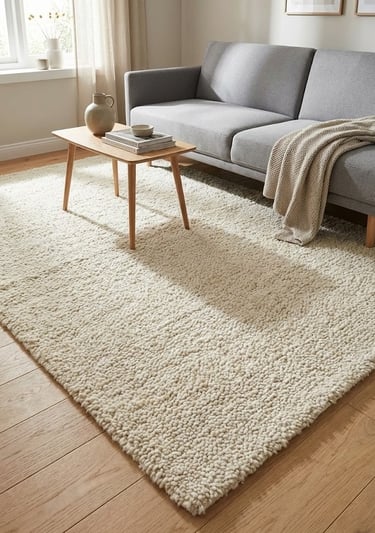
Bare wooden floors are beautiful, but rugs are necessary for comfort, warmth, and sound dampening (especially in apartments).
Sizing and Material:
Size Matters: The biggest mistake people make is buying a rug that is too small. Your rug should be large enough that at least the front legs of your sofa and armchairs sit on it. This ties the furniture together into a cohesive zone.
Texture: A high-pile Moroccan wool rug with a diamond pattern is a classic Scandi choice. Alternatively, a flat-weave jute rug offers durability for high-traffic areas, though it is less soft underfoot.
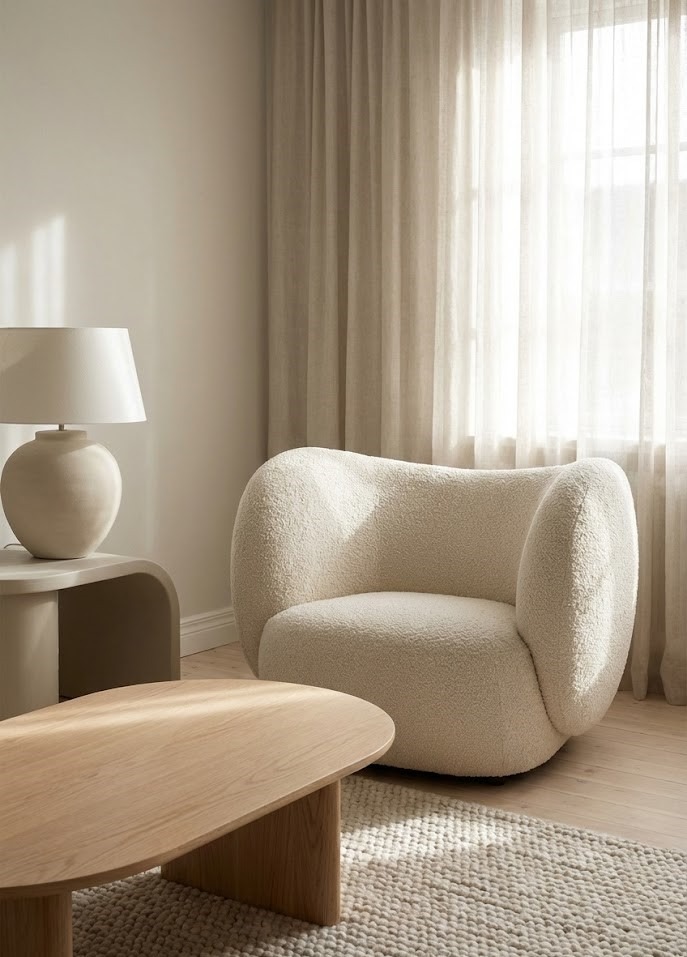
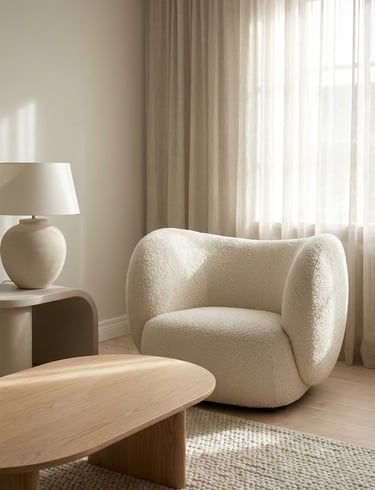
14. Soften the Room with Curved Furniture
While the original mid-century Scandi movement was very "boxy," modern trends favor organic, rounded shapes to soften the architecture of a room.
Why it works: Straight lines and sharp corners can feel rigid. Curves mimic nature and help the flow of movement through a room (great for Feng Shui).
Ideas: Swap a rectangular coffee table for an oval or round one. Look for a "kidney bean" shaped sofa or a round mirror. These shapes make a space feel more fluid, welcoming, and safe, particularly if you have toddlers running around.