
Top 10 Essential Tools for Every Gardener
Focus on acquiring these fundamental tools first to ensure you have the basics covered for planting, maintaining, and harvesting your garden. They are arranged by general relevance for the most common gardening tasks:Why should a functional space be devoid of style? Embracing a moody aesthetic can transform the chore of washing clothes into a more pleasant, even calming, experience. These design concepts can help you redefine your laundry space, turning it from a forgotten utility area into a beautiful and intentional part of your home.
OUTDOOR
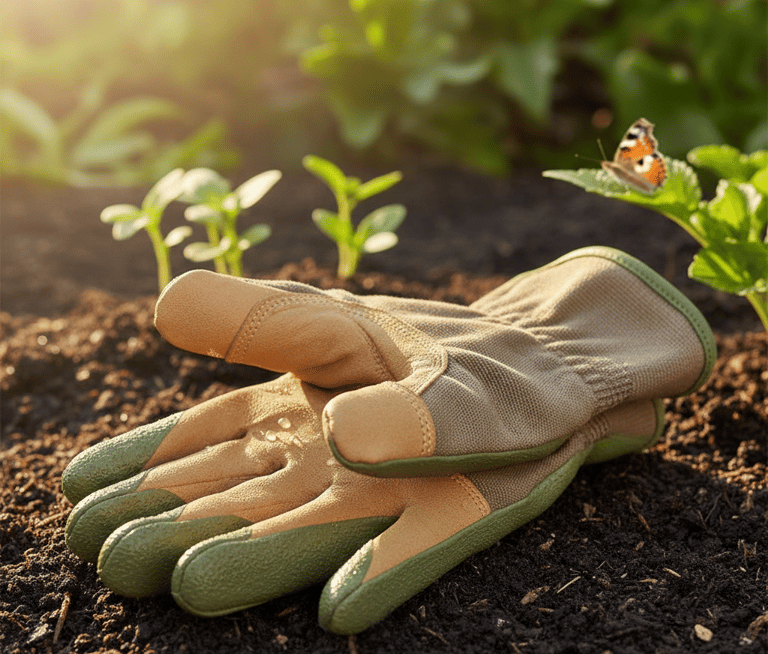
1. Protective Garden Gloves
Protecting your hands is paramount. Working with soil, roots, and sometimes thorny plants can quickly lead to blisters, scrapes, and punctures.
Choose gloves with reinforced fingertips for puncture resistance.
A waterproof or coated material is excellent for keeping hands dry during watering or in damp soil.
Look for a pair that offers a snug fit and flexibility; ill-fitting gloves can be just as difficult to work with as no gloves at all.
Categories
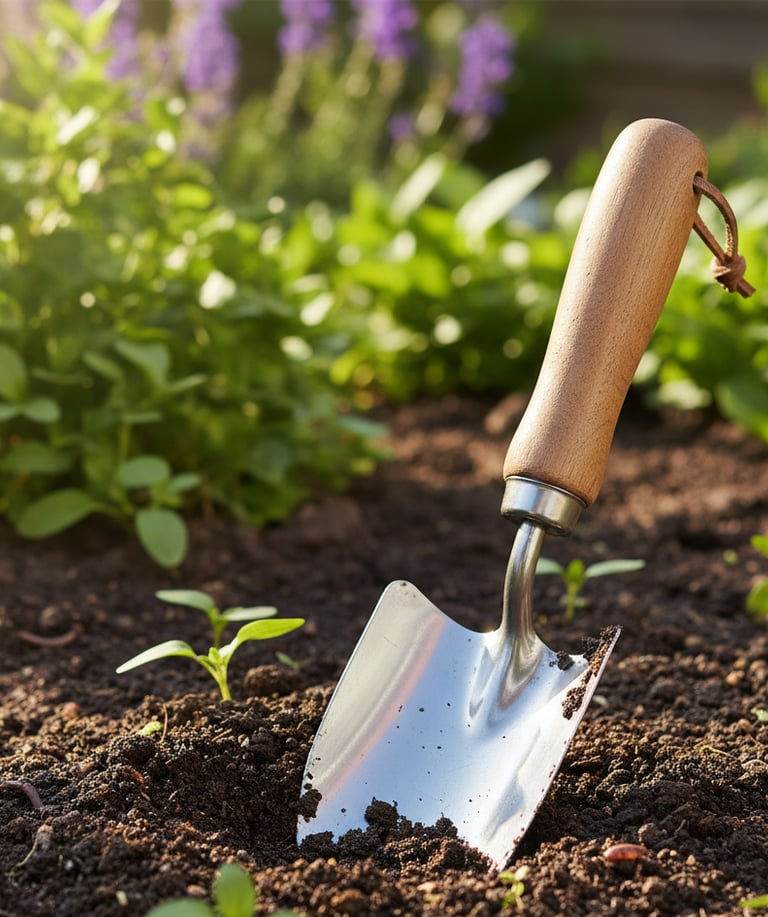
2. Hand Trowel
This is the quintessential handheld garden tool—a small, versatile shovel that is indispensable.
Use it for digging small planting holes for seeds and seedlings.
It's perfect for scooping soil or compost into pots or containers.
A durable trowel should have a solid metal blade and a comfortable, sturdy handle to withstand repetitive use.
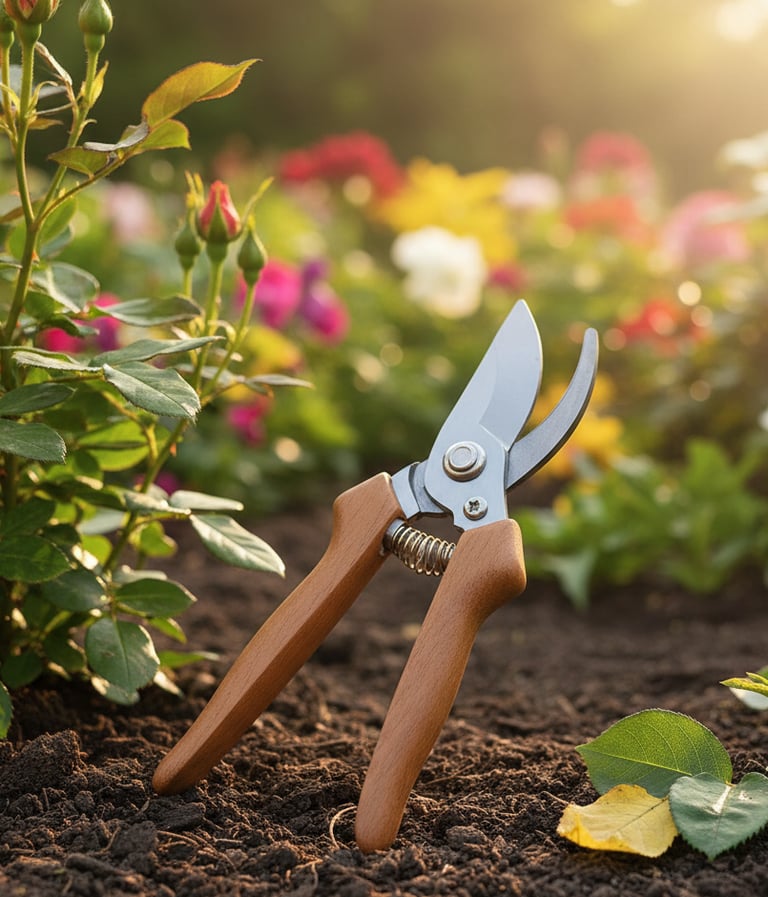
3. Pruning Shears (Hand Pruners)
A good pair of handheld pruners is essential for keeping plants healthy and tidy.
They are used for trimming small branches, snipping off dead or yellowing leaves, and cutting flower stems.
Bypass shears (which operate like scissors) are generally recommended for cutting live, green wood and delicate plants, as they make a cleaner cut.
Ensure they fit comfortably in your hand to prevent fatigue, and maintain their sharpness for the best results
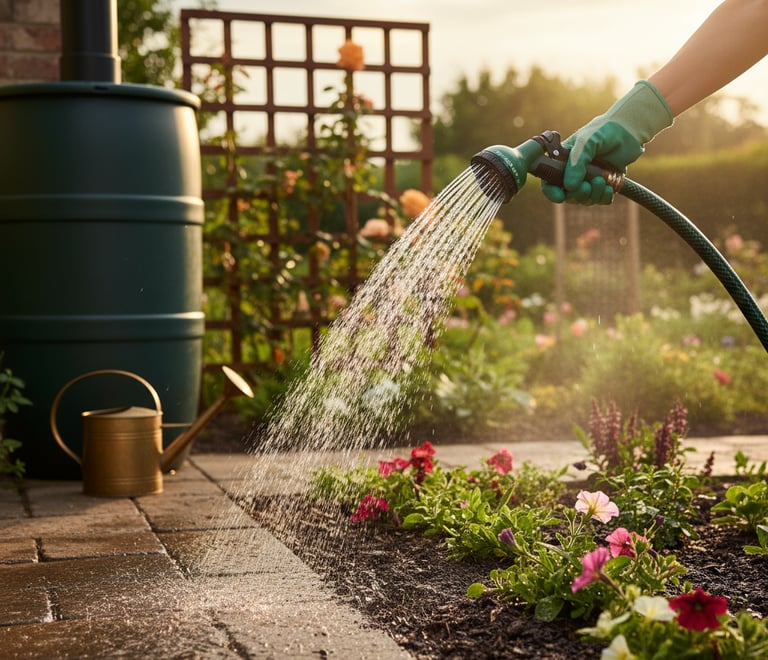
4. Garden Hose with Adjustable Nozzle
Consistent and sufficient watering is crucial for plant survival. While a watering can works for small containers, a hose is required for larger garden beds.
The adjustable nozzle is key, allowing you to switch between a gentle shower for seedlings and a focused jet for cleaning or targeted watering.
Consider eco-friendly options like a rain barrel to collect and reuse water, making your watering routine sustainable.
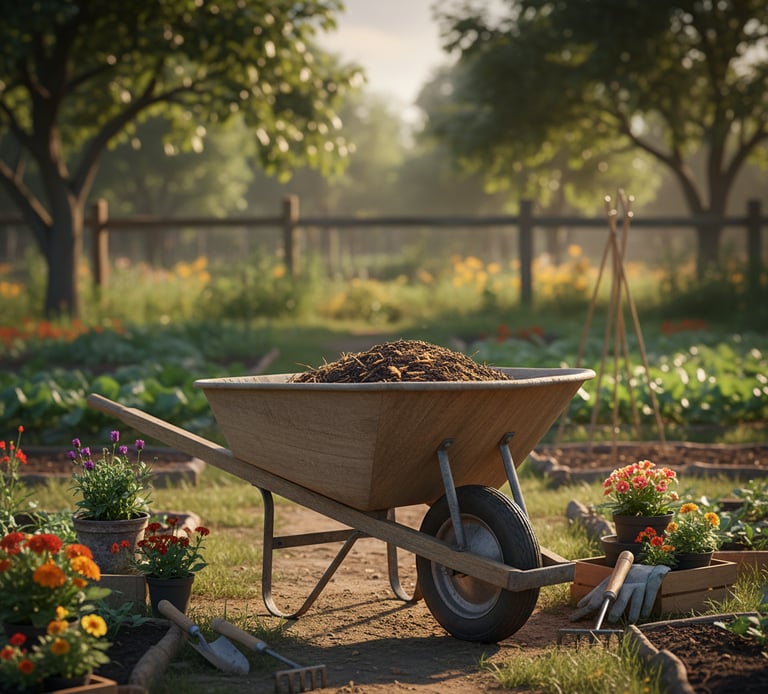
9. Wheelbarrow or Garden Cart
For any significant project involving the moving of materials, a wheelbarrow or cart is a massive back-saver.
Use it to haul heavy items such as bags of soil, compost, mulch, or rocks.
Metal wheelbarrows are more durable and suited for heavy loads, while plastic carts are lighter and often easier to maneuver.
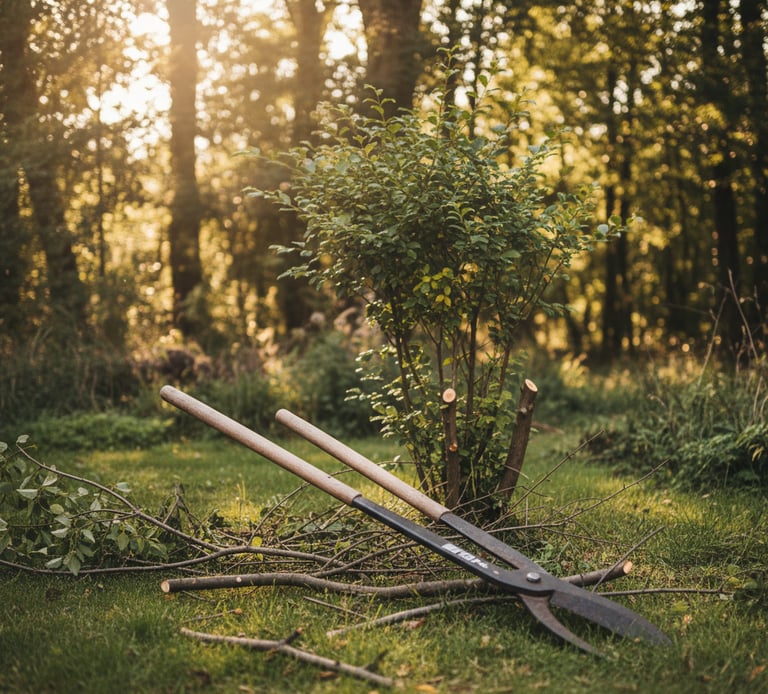
10. Loppers
thicker branches that hand pruners can't handle.
The long handles provide the leverage needed to cut woody stems up to about 1.5 to 2 inches in diameter.
They are especially useful for maintaining shrubs, small trees, and woody perennials.
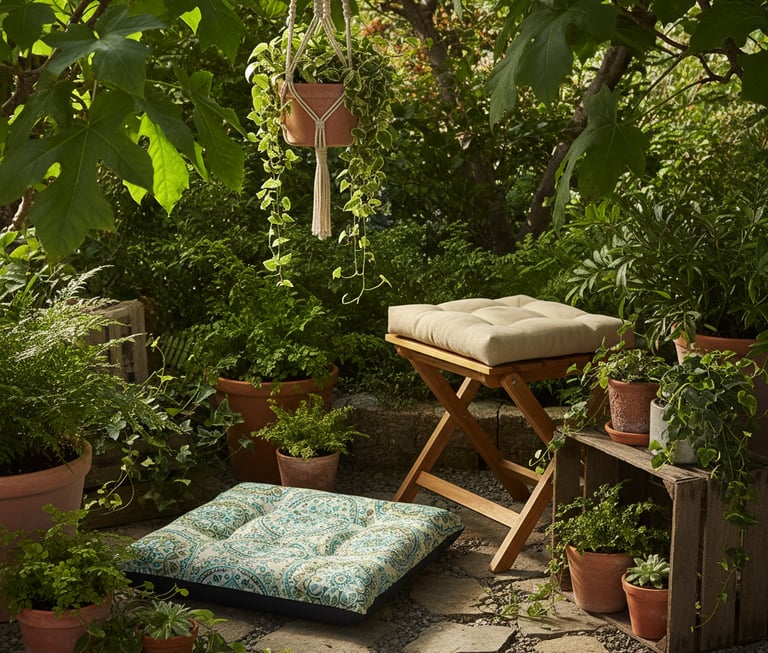
6. Gardening Kneeling Pad or Bench
Spending long periods kneeling on hard soil or concrete is tough on the knees and back.
A thick foam kneeling pad provides essential cushioning, preventing soreness and injury.
Alternatively, a garden stool/kneeler combination offers the flexibility of a padded kneeler that can be flipped over and used as a small bench.
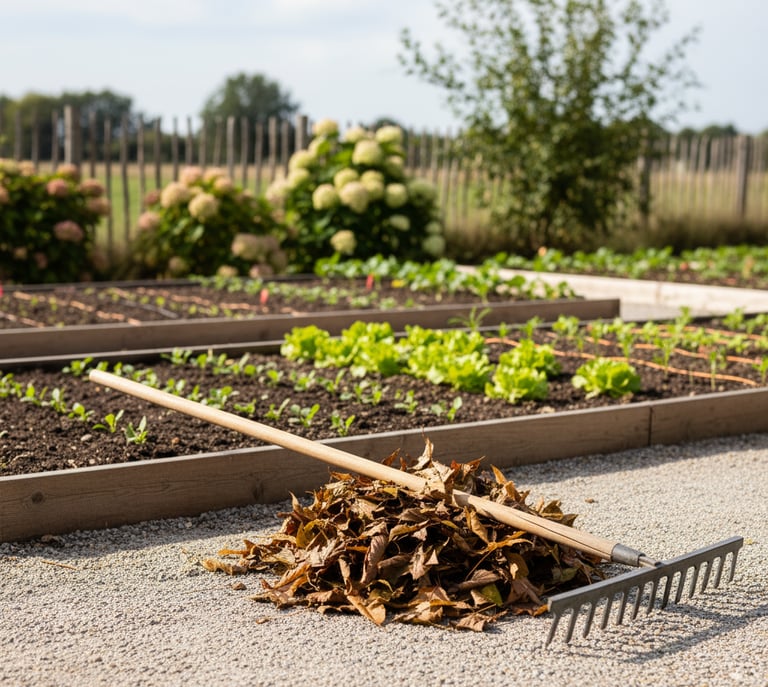
7. Garden Rake
This long-handled tool is vital for preparing and maintaining the soil surface.
Use a rake to smooth and level soil before planting seeds.
It is perfect for clearing debris like leaves, small sticks, and pulled weeds from the garden bed, allowing plants maximum access to sunlight and air.
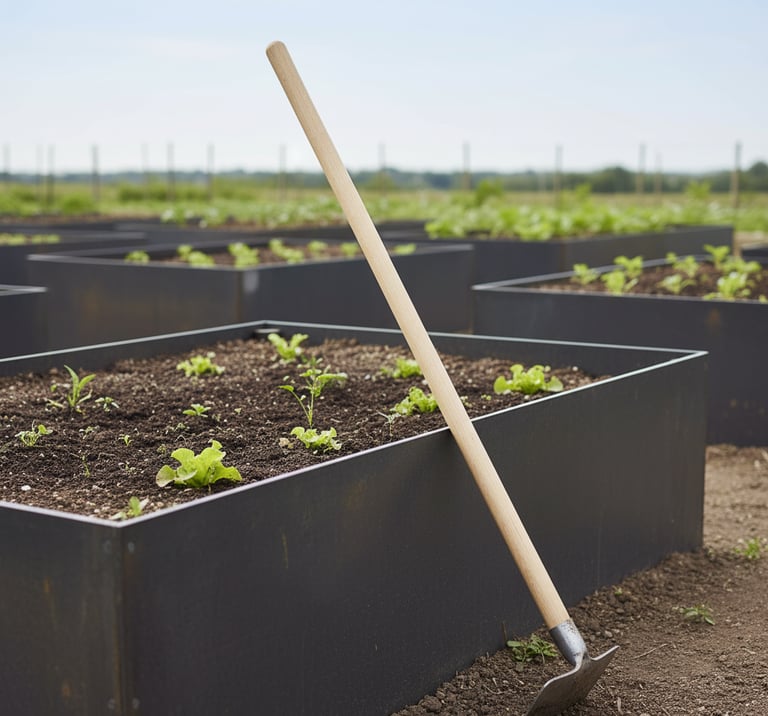
8. Garden Hoe
Excellent for preparing new garden areas or maintaining existing beds by controlling weed growth.
A hoe helps turn the soil and break up tough ground before planting.
It is highly effective for slicing through weeds just below the soil surface, saving your back from excessive bending and manual pulling.
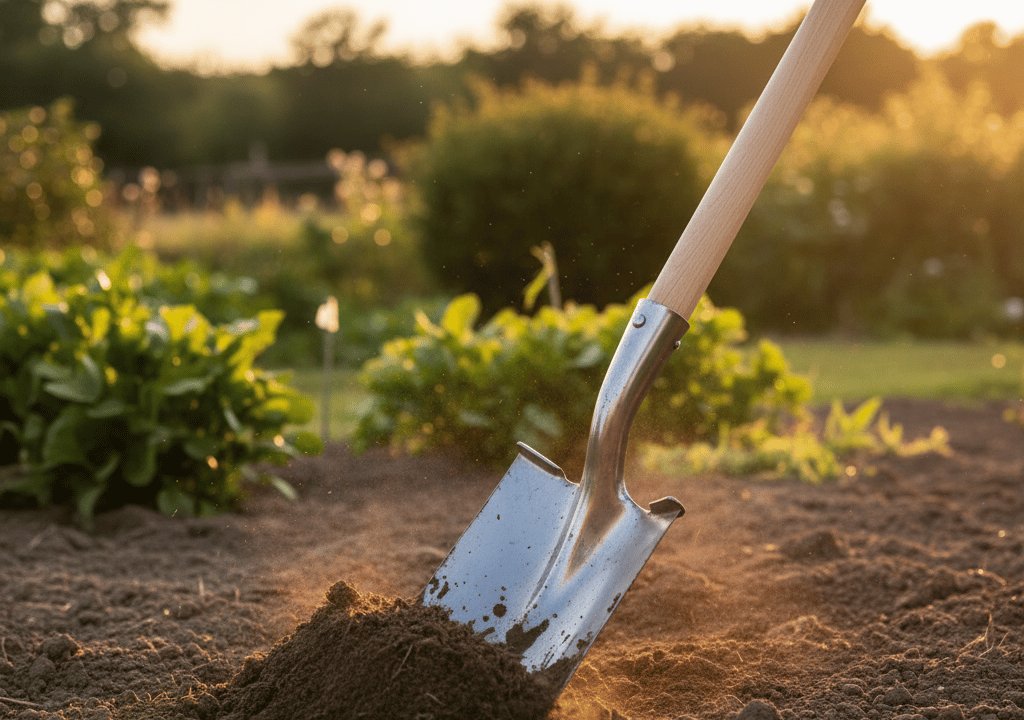
5. Angled Digging Shovel
For tasks that require moving soil, digging holes for larger plants, or turning over a garden bed, a long-handled shovel is a necessity.
An angled or round-point shovel is generally best for general digging and preparing planting spots in garden beds.
For preparing a crisp, clean garden edge, a square-tipped spade may be useful, but the angled shovel is the better all-purpose choice.
Conclusion
Equipping yourself with these top 10 essential gardening tools is the foundational step toward creating a flourishing and low-stress garden. Remember that quality and comfort are key; a slightly higher investment in durable, ergonomically designed tools often saves you money and frustration in the long run.
By ensuring you have the right gear, from protective gloves and a sharp trowel to a reliable watering system and a haul-ready wheelbarrow, you transform gardening from a potentially painful chore into a truly rewarding and enjoyable experience. Happy planting!